
United Russia wins 355 seats in Russia’s 450-member State Duma, according to preliminary results released by the Central Election Commission on Monday.
The ruling party secured about 57.83% of the vote after more than 95% of ballots had been counted. The result gives United Russia enough seats to retain its constitutional majority.
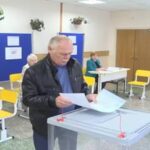
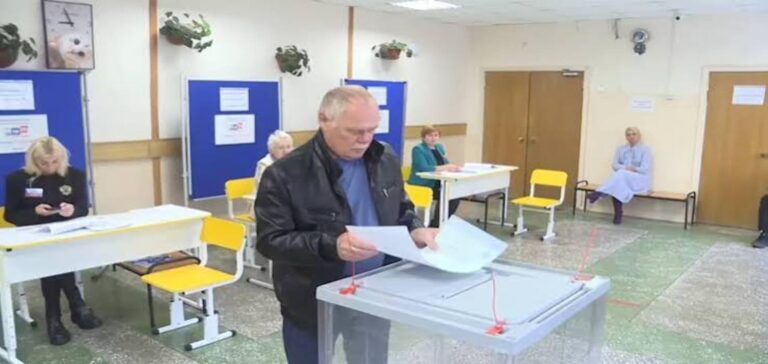
The three-day parliamentary election ended on Sunday. It was the first Russian national parliamentary vote since Moscow launched its full-scale invasion of Ukraine in 2022.
United Russia Wins 355 Seats
The preliminary result gives United Russia 355 seats in the 450-member Duma.
That would surpass the party’s previous record of 343 seats won in the 2016 parliamentary election.
The party’s share of the party-list vote also increased from 49.8% in 2021 to 57.83% this year, according to Russia’s Central Election Commission.
The result means United Russia will continue to hold a constitutional majority in the lower house.
Other Parties Take Fewer Seats
The Communist Party finished second with 40 seats, according to the preliminary results.
The LDPR won 25 seats, while New People secured 20.
Another party, A Just Russia, remained just below the 5% threshold required for representation through the party-list system, although election officials said it still had a chance of entering parliament.
The three main parties that secured seats alongside United Russia have frequently supported the Kremlin on major issues.
First Duma Election Since Ukraine War Began
The election was the first State Duma vote since Russia launched its full-scale invasion of Ukraine in February 2022.
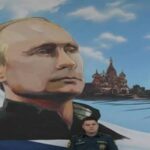
President Vladimir Putin had presented the election as an indication of public support for his policies and the war.
However, the campaign took place in a tightly controlled political environment. Most prominent anti-war candidates were unable to participate, while the Yabloko party, the only registered anti-war party, failed to secure national representation.
International criticism has also focused on the conduct of the election and the limited space for political opposition.
Turnout Exceeds 59 Percent
Election officials reported voter turnout of about 59.3%.
Central Election Commission chair Ella Pamfilova described the voting process as clean and thanked voters for taking part despite what she called pressure surrounding the election.
The election also took place amid continued Ukrainian drone attacks inside Russia.
On the final day of voting, a large drone attack targeted the Moscow region, with Russian authorities reporting casualties and damage.
United Russia Maintains Kremlin Dominance
United Russia has dominated Russian politics since the early 2000s.
The party’s latest result ensures that it will continue to control the overwhelming majority of seats in the State Duma.
Its constitutional majority also allows the party to pass legislation and initiate constitutional amendments without needing support from other parliamentary parties.
However, the result does not mean that all political parties competed on equal terms.
Reuters reported that many anti-war candidates were barred from running, while other major parties generally support the Kremlin on key issues.
Yabloko Gains Regional Foothold
Although Yabloko failed to enter the national parliament, the party appeared to gain a small foothold in regional politics.
In the Novgorod region, preliminary results showed the party crossing the 5% threshold needed for representation in the regional legislature.
The development came despite the party’s exclusion from the national party-list ballot.
Final Results Expected Later
More than 95% of ballots had been counted when the preliminary results were announced.
The Central Election Commission is expected to publish the final figures later this week.
For now, the results show that United Russia wins 355 seats, preserving its dominant position in Russia’s lower house.
The election also gives the Kremlin-backed party a larger parliamentary majority than it held after the 2016 vote, although the political environment surrounding the election remains the subject of significant criticism from opposition groups and international observers.