
Political donors could face tougher residency rules in the UK as ministers seek to prevent wealthy people living abroad from making huge contributions to British political parties.
The move follows a major row over £72 million in donations to Reform UK from cryptocurrency billionaires Ben Delo and Christopher Harborne.
Each donor gave the party £36 million. Their contributions became the largest combined donations in UK political history. Both men have recently lived outside Britain, raising questions about whether current rules allow wealthy overseas residents to exert too much influence on British politics.
Government considers stronger residency checks
The government already plans to introduce a £100,000 annual cap on donations from British citizens living overseas.
The proposed restriction would also cover people who return to Britain and have not yet spent at least 12 months in the country. Ministers now want to consider additional checks that could require major donors to demonstrate a genuine and ongoing connection with the UK.
Communities Minister Baroness Taylor of Stevenage told peers that the government was examining how to strengthen residency requirements.
She said the government wanted the length of time donors spend in Britain to align with wider government policy. She also backed a system requiring donors who contribute above the £100,000 threshold to demonstrate a continuing connection with the country.
The government has not yet published all the details of the proposed enhanced test.
Reform donations spark political row
The proposed changes have attracted attention because of Reform UK’s record fundraising.
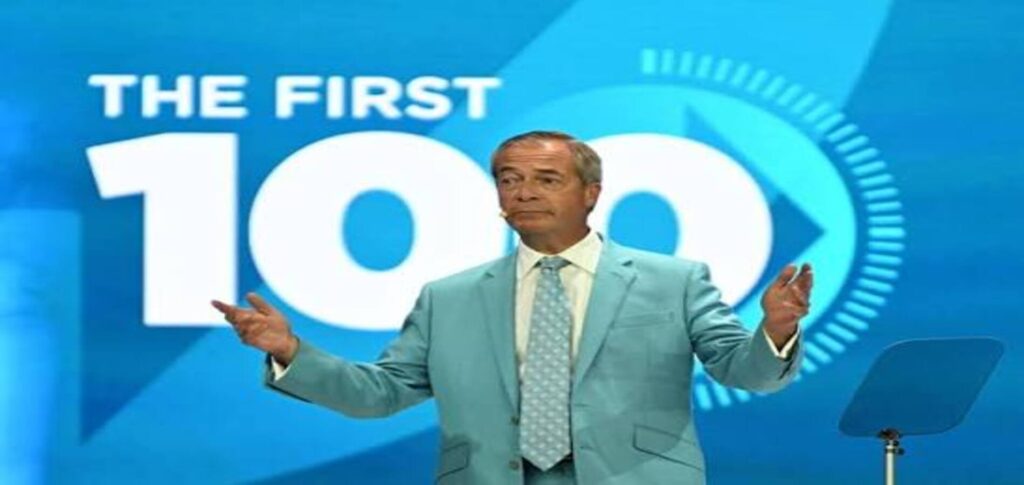
Farage has defended the £72 million donations. He said the contributions comply fully with current law.
However, he could not confirm whether the payments would remain permissible under the proposed rules.
Reform has also faced wider scrutiny over its funding arrangements. Police are investigating allegations involving potential breaches of electoral law. The party denies wrongdoing and says it will cooperate with the investigation.
The government insists the residency proposals do not target Reform UK.
Business Secretary Jonathan Reynolds said the rules should apply to everyone who wants to influence British politics.
He argued that people seeking a major role in British political life should have a genuine stake in Britain.
Opposition parties demand tougher limits
The Liberal Democrats have criticised the government’s approach.
Cabinet Office spokeswoman Lisa Smart accused ministers of reacting to individual cases rather than creating a comprehensive system.
She called for a universal cap on political donations to prevent extremely wealthy individuals from gaining excessive influence.
Meanwhile, Farage has warned that restricting large donations could have consequences for other parties.
He has pointed to Labour’s funding from trade unions and argued that politicians could respond by placing limits on union contributions as well.
Unions defend their political funding
Trade unions have also entered the debate.
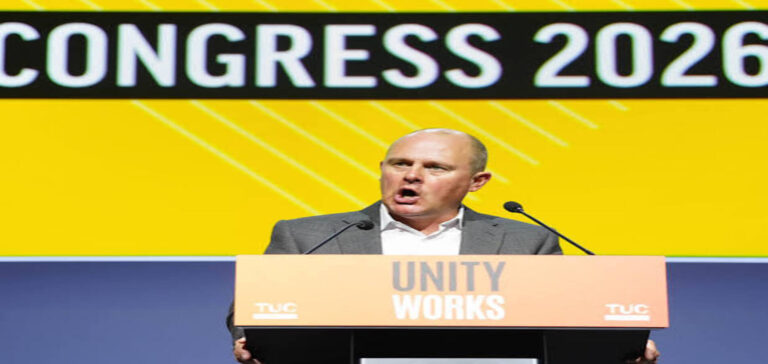
Union leaders agreed a joint statement calling on the government to protect democracy from being dominated by the super-rich.
They said trade union political funding is heavily regulated and comes from membership contributions.
However, the unions did not call for a universal cap on all political donations.
Unite has previously supported a limit of between £500,000 and £1 million for individual donors. The proposal would not apply to trade union contributions.
Some smaller unions favour a cap across the board. However, larger unions remain cautious because tighter restrictions could affect Labour’s funding.
How much do UK parties raise?
The debate comes as Britain’s major political parties rely on a mixture of individual donors, businesses and organisations for funding.
Since the 2024 general election, the Conservative Party has raised about £37 million, while Reform UK had raised around £35 million before the latest donations.
Labour had raised about £21 million, the Liberal Democrats £17 million and the Green Party around £1.9 million, according to the figures cited in the original report.
Labour has also received substantial trade union funding. Since 2020, unions have contributed almost £43 million to the party.
Residency rules could reshape political donations
The government has previously promised to tackle the influence of so-called mega-donors.
It has already established a taskforce to examine political donations. Now, ministers are considering whether stronger residency tests should form part of the new system.
The timing has drawn scrutiny because the government did not mention an enhanced residency test when it first announced plans to restrict donations from overseas British voters.
Downing Street has denied that the new proposal specifically targets Reform UK’s £72 million windfall.
For now, the exact rules remain under discussion.
However, the controversy has revived a broader question about British democracy: How much political influence should wealthy donors who spend much of their time outside the UK be allowed to buy?