
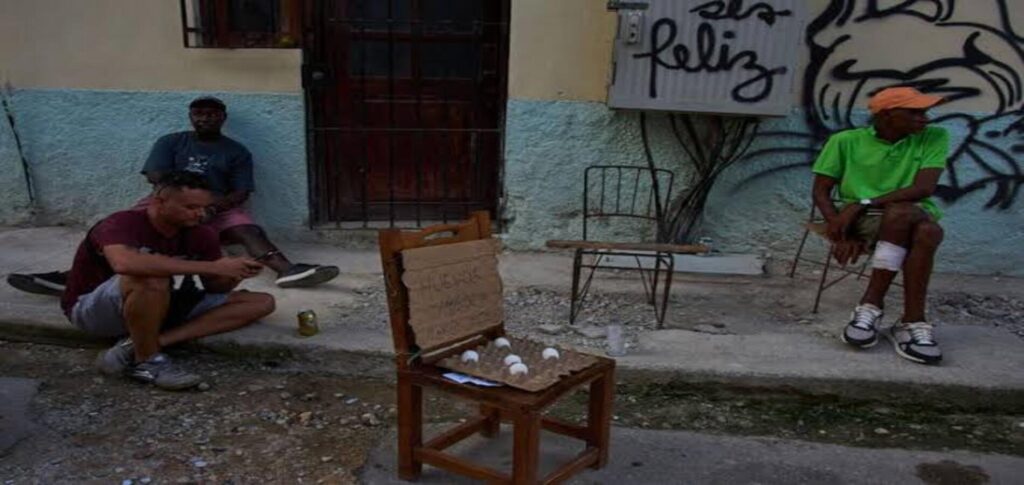
A Cuba power grid collapse plunged millions of people into darkness on Friday as the island faced another nationwide blackout amid a worsening energy crisis.
The latest failure marked at least the sixth major nationwide outage since January, according to Reuters. However, other reports have counted more total collapses depending on how individual incidents are classified.
Cuba’s Ministry of Energy and Mines said officials had activated procedures to restore electricity across the country.
The blackout once again disrupted daily life for millions of Cubans, affecting transportation, water supplies, communications and other basic services.
Cuba Power Grid Collapse Hits the Entire Island
Cuban authorities said the latest Cuba power grid collapse began after failures affected high-voltage transmission lines.
The disruption first divided parts of the electricity system before the eastern section became disconnected. Officials also said unstable weather conditions made the situation worse.
The national grid eventually suffered a total disconnection.
By Friday evening, only about 5% of electricity customers in Havana had regained power. Authorities also created smaller power systems in provinces including Camagüey, Pinar del Río and Granma.
Hospitals and other critical facilities received priority as crews worked to reconnect the system.
Millions Face Another Long Wait
For many Cubans, the latest blackout brought back familiar problems.
Residents rely on electricity for cooking, refrigeration, water pumps, mobile phones and internet access. When the grid fails, those services can quickly become difficult or impossible to use.
Some Cubans have also faced outages lasting more than 30 hours even when the national system remains operational.
That means the latest nationwide collapse comes on top of an already severe pattern of daily power cuts.
Aging Infrastructure Adds Pressure
Cuba’s electricity system has struggled for years with aging power plants and limited maintenance.
The country’s thermal power stations require fuel to operate, while many also need replacement parts and repairs.
At the same time, fuel shortages have reduced the amount of electricity that Cuba can generate.
Reuters reported that the latest collapse reflects a combination of deteriorating infrastructure and severe fuel shortages.
US Fuel Restrictions Deepen the Crisis
Cuban authorities have blamed US restrictions for worsening the country’s fuel shortages.
The Trump administration introduced measures designed to restrict Cuba’s access to imported energy and increase pressure on Havana. According to AP, the restrictions have made it harder for Cuba to obtain both fuel and replacement parts.
Washington, however, has long attributed Cuba’s economic difficulties to the policies and management of the Cuban government.
Therefore, the causes of the crisis remain politically disputed even as the effects are felt by ordinary residents.
Power Shortages Disrupt Everyday Life
The electricity crisis affects far more than lighting.
When blackouts continue, public transportation can be disrupted. Businesses may reduce working hours, while airlines can face operational problems.
The lack of reliable electricity also affects hospitals, water systems and telecommunications.
In many homes, families struggle to prepare food or keep it refrigerated. Meanwhile, people can lose access to phones and the internet when batteries run out or telecommunications systems lose backup power.
Havana Begins Gradual Recovery
Authorities began restoring electricity through smaller sections of the national system.
These so-called micro-grids allow crews to reconnect selected areas before attempting to rebuild the wider network.
By Saturday, power restoration had progressed further in Havana, although the recovery remained gradual. AFP reported that 48% of Havana’s electricity customers had regained service by Saturday.
Officials also continued prioritizing hospitals and other essential facilities.
Cuba Faces a Continuing Energy Crisis
The latest Cuba power grid collapse highlights the depth of the island’s energy problems.
Cuba has experienced repeated nationwide blackouts throughout 2026. The crisis has also produced frequent regional outages and prolonged daily power cuts.
Furthermore, fuel shortages have limited the ability of power plants to operate at full capacity.
As a result, even after crews restore the national grid, many Cubans are likely to continue facing scheduled and unexpected outages.
What Comes Next for Cuba’s Power Grid?
Restoring electricity after a nationwide collapse requires crews to reconnect the system carefully and gradually.
However, a full recovery will not solve the deeper problems facing Cuba’s electricity sector.
The country still needs reliable fuel supplies, investment in aging infrastructure and repairs to power-generation facilities.
Until those problems improve, another Cuba power grid collapse or prolonged blackout could remain a serious risk.
For millions of Cubans, the immediate priority is simple: getting electricity, water and essential services back as quickly as possible.