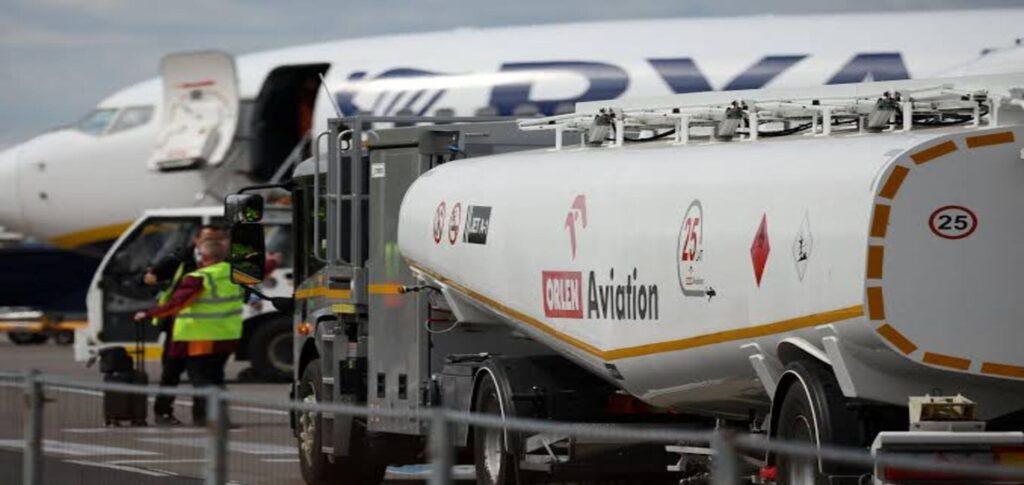
Europe is heading toward a significant jet fuel supply deficit in the fourth quarter as regional inventories remain low and imports face growing pressure.
Energy consultancy Energy Aspects forecasts a Europe jet fuel shortage equivalent to about 510,000 barrels per day during the fourth quarter.
By comparison, the United States is expected to have a surplus of about 18,000 barrels per day, while the Asia-Pacific region could record a surplus of around 419,000 barrels per day.
The supply imbalance is pushing European buyers to look farther afield for fuel.
South Korea Boosts Jet Fuel Shipments to Europe
South Korea has emerged as an important supplier as Europe searches for additional cargoes.
Commodity intelligence firm Kpler estimates that South Korean jet fuel shipments to Europe reached about 129,000 barrels per day during September.
That represents the highest monthly flow since October 2022.
LSEG data also shows strong shipments from South Korea to Europe.
James Noel-Beswick, head of commodities at Sparta Commodities, said European imports are likely to continue while the region remains short of jet fuel.
Middle East Disruptions Increase Supply Risks
Europe has increased imports from countries including Nigeria, the United States and Canada following disruptions to Middle Eastern fuel supplies.
The conflict involving Iran has affected regional energy flows and reduced the amount of jet fuel available to European buyers.
As a result, Europe remains exposed to further disruptions if tensions in the Middle East escalate.
The region already depends heavily on imports to meet demand. Therefore, any additional disruption could increase pressure on prices and availability.
Europe’s Jet Fuel Stocks Fall
Low inventories are adding to the concerns surrounding the Europe jet fuel shortage.
Jet fuel stocks held independently at the Amsterdam-Rotterdam-Antwerp, or ARA, refining and storage hub fell to their lowest level in seven years during the week ending September 10.
The decline comes as European buyers compete for supplies in an increasingly tight market.
At the same time, stronger European prices are making exports from Asia more attractive.
Price Gap Encourages Asian Fuel Exports
The difference between Asian and European jet fuel prices has widened.
That price gap allows traders to make greater profits by sending cargoes from Asia toward Europe.
Noel-Beswick said the stronger European market was helping attract additional barrels from distant suppliers.
Asia has traditionally acted as a swing supplier for Europe. Traders increase shipments when price differences make the trade commercially attractive.
Kpler data shows that average monthly Asian jet fuel exports to Europe reached about 1.5 million barrels last year.
South Korean Refiners Increase Production
South Korea has also increased jet fuel production.
Government data showed the country’s jet fuel output reached almost 13.89 million barrels in July. That marked the highest monthly production level in seven years.
Exports also reached their highest level in around three and a half years.
Higher refinery crude-processing rates helped support the increase.
South Korean refineries processed about 2.7 million barrels of crude per day in July, according to provisional government figures. That was 16% higher than the June level.
Traders also expect refinery processing rates to remain relatively strong.
Europe Remains Dependent on Imports
The combination of low inventories, reduced regional supplies and strong demand means Europe will likely continue importing jet fuel.
The Europe jet fuel shortage forecast for the fourth quarter could therefore keep international cargoes flowing toward the continent.
However, Europe’s reliance on distant suppliers also leaves the market vulnerable to shipping disruptions, geopolitical tensions and sudden changes in regional prices.
For now, South Korea and other exporters are helping fill the gap. Yet analysts expect Europe to remain dependent on imports while its domestic supply remains insufficient.