
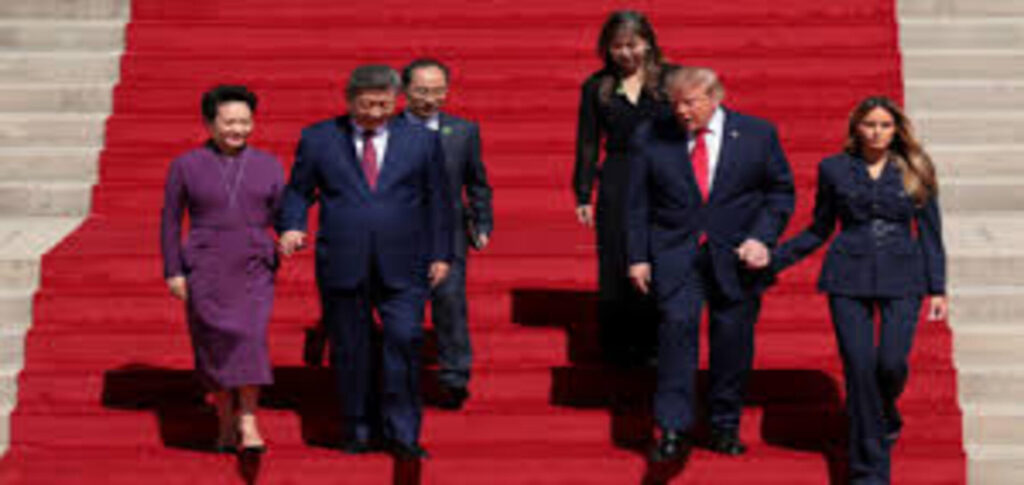
The Trump Xi summit ended Friday with tea at the White House and a tour of the National Archives, highlighting the personal relationship between the two leaders while leaving several major US-China disputes unresolved.
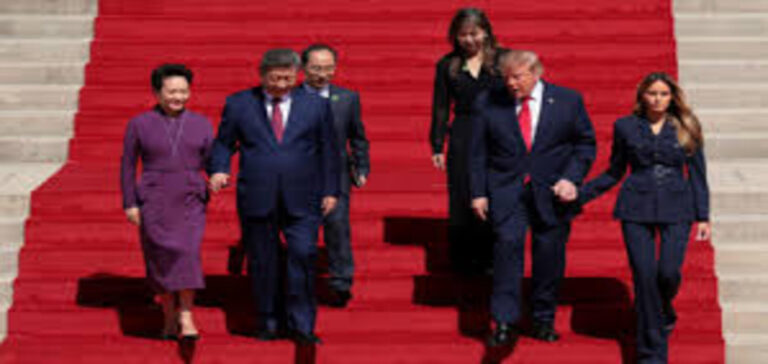
US President Donald Trump and Chinese President Xi Jinping wrapped up Xi’s three-day state visit with a series of symbolic events. The two leaders praised the tone of their discussions, but neither side announced a major breakthrough on contentious issues such as Taiwan, artificial intelligence and China’s relationship with Iran.
Trump and Xi Extend Trade Truce
One of the clearest outcomes involved the existing US-China trade truce.
Washington and Beijing agreed to extend the arrangement until January 10, giving both sides additional time to negotiate broader trade issues. US officials also pointed to progress involving agricultural exports and other goods.
Trump said American farmers would benefit from the discussions, although he did not provide detailed figures during his remarks.
The White House described the visit as a step toward a more stable and reciprocal economic relationship. Its account also highlighted Chinese action involving fentanyl precursor chemicals and other areas of economic cooperation.
AI Becomes an Area for Dialogue
Artificial intelligence also featured in the discussions.
The White House said Washington and Beijing agreed to open a bilateral communication channel focused on AI-related incidents. The move could provide a direct way for officials from both countries to discuss risks as competition over advanced technology continues.
However, major disagreements over technology remain.
Both governments continue to compete over advanced chips, AI systems and technology supply chains. Those differences could remain a major source of tension even as the leaders seek greater stability.
Trump and Xi Discuss Iran
Iran also featured in the summit.
Trump said he discussed Iran with Xi and indicated that he expected progress, although he offered few details. US Ambassador to China David Perdue later said Trump told Xi that direct or indirect Chinese support for Iran was “totally unacceptable.”
China, meanwhile, has urged Washington and Tehran to return to negotiations. Beijing has rejected US allegations that it is supporting Iran in the conflict.
The issue therefore remains unresolved despite the leaders’ discussions.
Taiwan Remains a Major Dispute
Taiwan was another sensitive issue during Xi’s visit.
China claims Taiwan as part of its territory and opposes US arms sales to the island. Beijing has repeatedly urged Washington to oppose Taiwanese independence and reduce military support for Taipei.
During the summit, Xi called on Trump to handle the Taiwan issue with caution. Chinese state media also reported that Xi urged the US to maintain its opposition to “Taiwan independence.”
The US does not have formal diplomatic relations with Taiwan. However, Washington maintains close unofficial ties with Taipei and is legally required to provide Taiwan with the means to defend itself.
Trump did not announce a major change in US Taiwan policy during the visit.
National Archives Tour Ends State Visit
The summit concluded with a highly symbolic visit to the National Archives.
After tea at the White House, Trump and Xi traveled to the building, where they viewed historic American documents, including the Declaration of Independence, the Constitution and the Bill of Rights.
The White House presented the visit as part of a broader effort to emphasize the long history of US-China relations.
Trump and Xi also agreed to continue their personal diplomacy. Trump said they would meet again in China in November during the Asia-Pacific Economic Cooperation forum and in Miami in December for a G20 summit.
Warm Relations, Unfinished Business
The Trump Xi summit produced a friendlier public tone and an extension of the trade truce. It also opened a new channel for AI discussions.
Still, the biggest strategic disagreements remain.
Trade, technology restrictions, Taiwan, Iran and other geopolitical issues continue to divide Washington and Beijing. Therefore, the latest summit appears to have focused more on managing tensions than resolving them.
The two leaders’ decision to keep meeting could give negotiators more time to work through those disputes. However, the durability of the current positive atmosphere will depend on whether the agreements announced after the summit produce concrete results.