
A US appeals court has upheld the Pentagon’s decision to exclude Anthropic from its supply chain after the artificial intelligence company refused to remove certain safeguards from its Claude AI model.
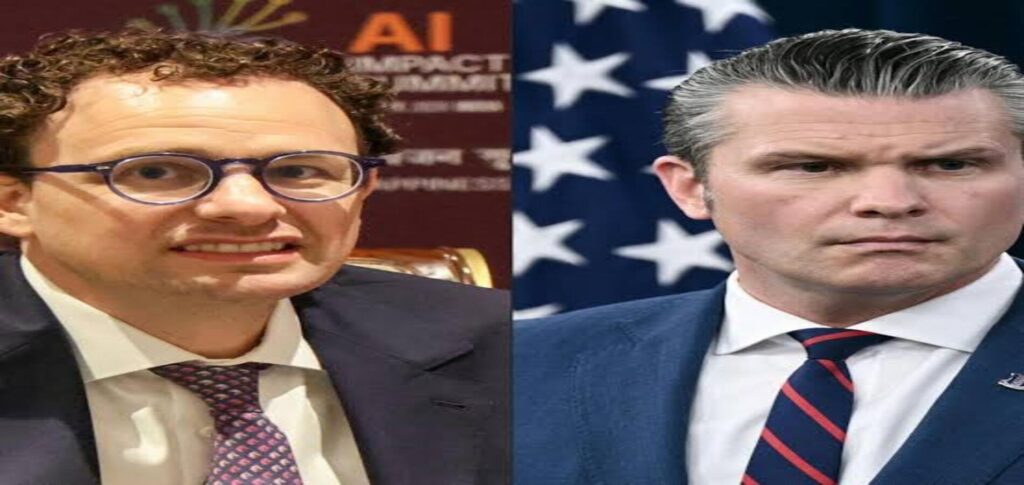
The dispute began in February when Anthropic rejected a demand from Pentagon Secretary Pete Hegseth to allow Claude to be used for fully autonomous lethal weapons and mass domestic surveillance of Americans.
The Pentagon formally designated Anthropic a supply-chain risk in March. The move canceled the company’s military contracts and prevented other Defense Department contractors from using its technology.
Pentagon Raises Concerns Over Anthropic AI
The US military had been using Claude in several classified and sensitive systems before the dispute escalated.
According to the appeals court opinion, an Anthropic executive also questioned the use of Claude by Pentagon contractor Palantir during a military operation that captured Venezuelan President Nicolas Maduro on January 3.
Under Secretary of Defense Emil Michael said the objection raised concerns inside the Pentagon. He argued that the company could potentially stop its software from working or take another action that could endanger US service members.
Anthropic has maintained that it cannot change the behavior of AI models after delivering them to the military. However, the appeals court said the company controls the behavior of each new model version.
The court also noted that military users must continue updating their systems as newer versions become available.
Appeals Court Backs Pentagon Authority
Judge Gregory Katsas wrote the main opinion for two of the three judges on the appeals panel. He said decisions about balancing military risks should remain with the president and the defense secretary.
The ruling allows the Pentagon’s supply-chain designation to remain in effect. It also represents an unusual use of government procurement authority against a major US technology company.
The Pentagon quickly expanded its relationships with Anthropic’s competitors after the dispute.
OpenAI, the company behind ChatGPT, signed an agreement with the Pentagon on the same day Anthropic faced the ban. Elon Musk’s xAI had already signed an agreement in February. Google and Microsoft followed with agreements several months later.
Anthropic Challenges the Decision
The legal battle has created a split between federal courts.
A separate federal court in California ruled last month that a broader ban imposed against Anthropic by the Trump administration was unlawful. The appeals court ruling on Friday, however, concerned the Pentagon’s separate supply-chain designation based on federal procurement rules.
Anthropic said it disagrees with the appeals court’s decision. The company said another federal court had already found the government’s parallel designation unlawful.
“We respectfully disagree with the court’s decision,” an Anthropic spokesperson said in a statement to US media. The company added that it remains confident in its position and is considering further legal options.
Meanwhile, Pentagon officials welcomed the ruling. Michael described the decision on X as a victory and said private companies should not influence the military chain of command.
The case highlights a growing dispute over how AI companies should balance safety safeguards with the demands of national security and military operations.