The immigration crackdown on Haitian caregivers is creating uncertainty for thousands of elderly Americans who depend on home health aides and caregivers for essential daily support. As Temporary Protected Status (TPS) protections face legal challenges, healthcare providers warn that vulnerable seniors could lose experienced workers they have relied on for years.
Immigration Crackdown Puts Haitian Caregivers at Risk
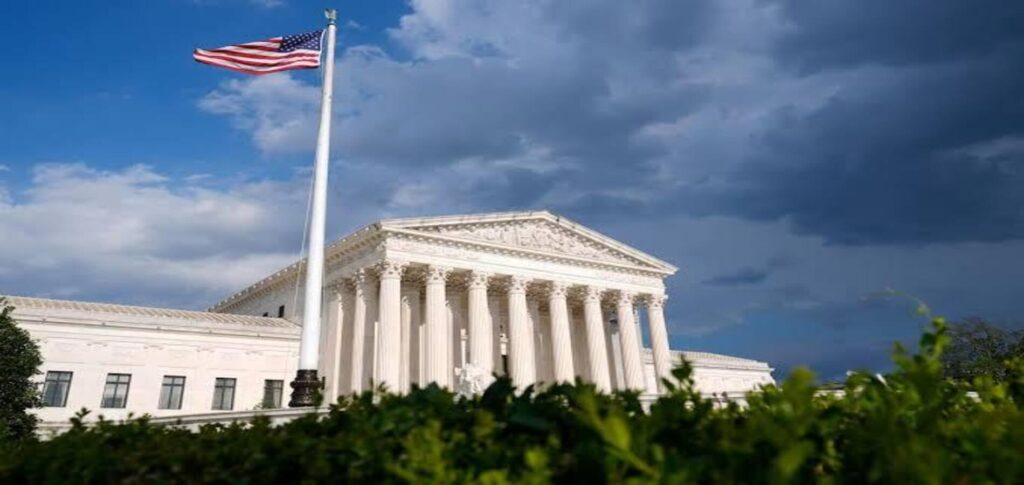
Recent legal developments have placed the future of many Haitian caregivers in doubt. The Supreme Court has allowed the Trump administration to proceed with ending TPS protections, leaving thousands of Haitian workers uncertain about their immigration status.
Healthcare providers fear they could lose experienced employees who have spent years caring for elderly and disabled Americans.
Seniors Depend on Haitian Caregivers Every Day
Across the United States, Haitian caregivers help seniors with essential daily activities, including:
- Preparing meals
- Bathing and personal care
- Transportation to medical appointments
- Housekeeping and grocery shopping
- Medication reminders
For many families, caregivers provide more than practical assistance. They often become trusted companions and an important part of seniors’ daily lives.
Care Facilities Warn of Staff Shortages
Nursing homes, assisted-living centers and home healthcare agencies already face staffing shortages. Losing Haitian caregivers could make those challenges even more severe.
Industry experts say replacing experienced workers can be difficult because demand for caregivers continues to rise as the US population ages.
Some healthcare providers have begun preparing staffing plans in case immigration changes result in workers leaving their jobs.
Healthcare Industry Faces New Challenges
Immigrants make up a significant share of the US caregiving workforce, including home health aides and other direct-care workers.
Healthcare organizations warn that losing experienced caregivers could increase operating costs and place additional pressure on remaining employees.
Staff shortages could also make it harder for agencies to provide consistent care to elderly and disabled patients.
Families Fear Losing Trusted Caregivers
For many families, the potential loss of caregivers represents both a practical and emotional challenge.
Seniors who live alone may depend on caregivers not only for personal care but also for companionship and help with everyday responsibilities.
Families worry that losing trusted caregivers could reduce seniors’ quality of life. In some cases, it could also force elderly people who prefer to remain at home to consider nursing homes or other residential care.
Immigration Debate Continues
The government continues to review immigration policies affecting TPS holders, while legal challenges over the program remain ongoing.
Healthcare providers, advocacy organizations and families are urging policymakers to consider the consequences for elderly Americans who depend on qualified caregivers.
The debate highlights a broader challenge: balancing immigration enforcement with the country’s growing need for healthcare and home-care workers.
As the immigration crackdown on Haitian caregivers continues, both caregivers and the elderly Americans who rely on them face an uncertain future.