
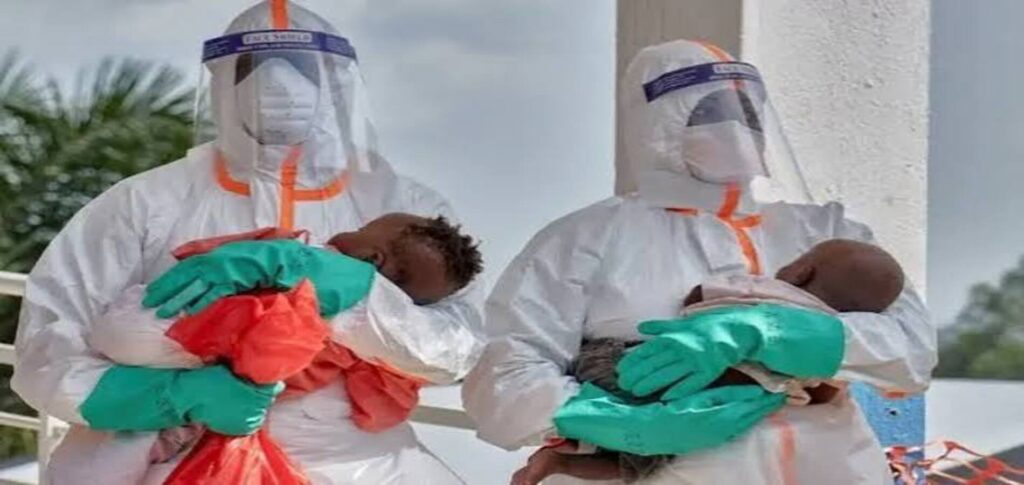
The DR Congo Ebola outbreak has surpassed 7,000 recorded cases, making it the largest Ebola epidemic ever reported in the Democratic Republic of Congo.
Congolese authorities reported 7,022 cases, including 3,398 deaths and 1,671 recoveries. The outbreak has also spread to a seventh province, adding to concerns about continued transmission.
However, there are some signs of improvement. Government spokesman Patrick Muyaya said the outbreak may have reached its peak in the third week of August.
He said several indicators now point to a decline in new infections.
Ebola Outbreak Started in Ituri
Authorities officially detected the current outbreak in mid-May after the Bundibugyo virus began spreading in northeastern Ituri province.
The disease later reached other areas, including regions affected by conflict, displacement and limited healthcare access.
Ituri remains the main centre of the outbreak. WHO reported that the province had recorded more than 5,400 confirmed cases by early September.
The outbreak has created additional challenges because armed conflict and population movement can make it harder for health workers to trace contacts and reach patients.
Ebola Reaches Another Province
The virus has continued to spread geographically despite signs of slowing transmission.
South-Ubangi became the latest province to report Ebola, according to Congolese authorities. The province borders both the Central African Republic and the Republic of Congo.
The expansion has increased concerns about further transmission across communities and national borders.
WHO has warned that continued surveillance and cross-border coordination remain essential because population movement could allow the virus to spread beyond affected areas.
Government Reports Signs of Improvement
Despite the high number of cases, officials say the situation may be starting to improve.
Muyaya said the outbreak reached its peak around the beginning of the third week of August.
He also reported that several affected health zones had gone at least three weeks without recording new cases.
However, health authorities continue to monitor areas where transmission remains active.
The World Health Organization has also reported encouraging signs, although it has warned that the outbreak remains far from over.
Schools Become a Major Concern
The outbreak has caused particular concern in Ituri, where health officials detected Ebola cases connected to schools.
The timing has worried parents and teachers because students returned to classrooms after the summer holiday.
Schools have introduced measures such as mandatory handwashing and smaller class sizes to reduce the risk of transmission.
Health officials are also encouraging children to wash their hands regularly and avoid unnecessary physical contact.
Why Ebola Is So Dangerous
Ebola can spread through direct contact with the blood or other bodily fluids of an infected person.
The disease can cause severe illness and, in serious cases, organ failure and internal or external bleeding.
The current outbreak involves the Bundibugyo virus, a species for which there is no specifically approved vaccine or treatment. However, researchers are testing potential medical interventions.
WHO said a clinical trial for potential treatments began enrolling patients in July.
WHO Expands Vaccination Research
Scientists are also examining whether existing Ebola vaccines could help protect people against the Bundibugyo virus.
WHO said its experts have concluded that evidence remains insufficient to support routine use of the licensed Ervebo vaccine against Bundibugyo virus disease.
For now, WHO recommends using Ervebo against this strain only within research protocols. Vaccination of healthcare and frontline workers has nevertheless begun as part of the response.
Conflict Makes the Response Harder
The DR Congo Ebola outbreak is unfolding amid insecurity and a major humanitarian crisis.
Conflict and displacement can make it difficult for health teams to reach communities quickly. They can also disrupt contact tracing, testing and treatment.
WHO has warned that overcrowding, poor access to clean water and limited healthcare services can further increase the risk of transmission.
These challenges make community cooperation especially important.
DR Congo Ebola Outbreak Remains a Major Threat
The latest figures show the enormous scale of the crisis.
More than 7,000 cases have now been recorded, while nearly 3,400 people have died. At the same time, health authorities are seeing some evidence that transmission may be slowing.
Still, officials remain cautious.
The continued appearance of cases in new areas means the response cannot ease too quickly. Surveillance, testing, contact tracing, treatment and community engagement will remain essential.
For now, the DR Congo Ebola outbreak appears to be showing some encouraging signs, but health authorities continue to face a difficult battle to bring transmission under control.