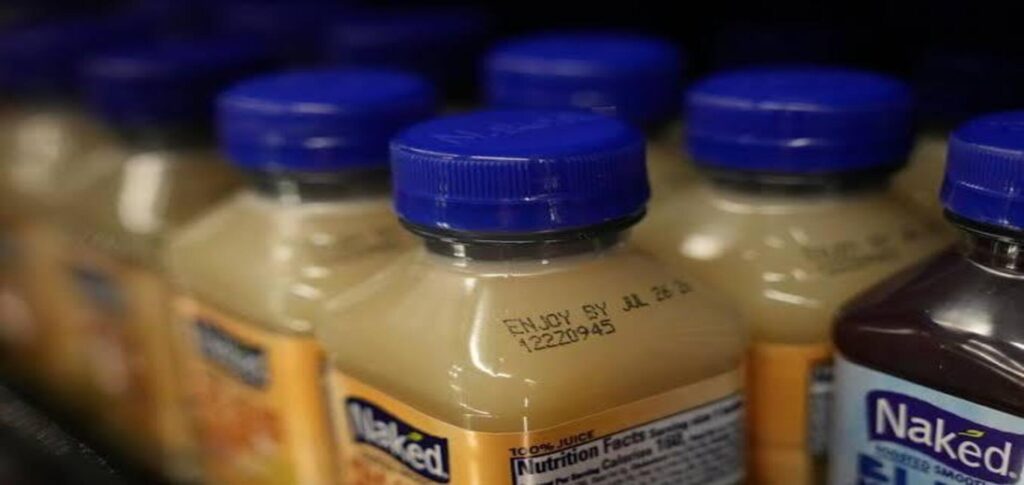
Why Food Date Labels Cause So Much Confusion
If you’ve ever thrown away milk, yogurt, or other groceries simply because the date on the package had passed, you’re not alone. Millions of people discard perfectly edible food every year after misunderstanding food date labels.
Food safety experts say that, in most cases, these dates are designed to indicate product quality not whether the food is still safe to eat.
With the exception of infant formula, there are currently no federal regulations requiring standardized food date labels in the United States.
What Food Date Labels Really Mean
Many consumers assume every printed date is an expiration date, but that’s not true.
Manufacturers commonly use labels such as:
-
- Best Before
-
- Best By
-
- Best If Used By
-
- Enjoy By
- Sell By
Most of these labels simply indicate when the manufacturer believes the product will taste its best or maintain peak quality.
According to food safety expert Donald Schaffner of Rutgers University, these labels are generally not indicators of food safety.
Why Experts Say Good Food Gets Wasted
Research from Johns Hopkins Bloomberg School of Public Health found that more than 80% of American consumers occasionally throw away food simply because it is approaching the printed date.
Another study from the University of Maryland discovered that over 50 different food date labels are used across the United States, making it difficult for shoppers to know what they actually mean.
Food scientist Rachel Zemser explains that manufacturers determine these dates based primarily on freshness, flavor and texture—not spoilage.
Which Foods Usually Last Beyond Their Printed Date?
Many packaged foods remain safe long after their quality date has passed.
These include:
-
- Canned vegetables
-
- Canned beans
-
- Canned fruit
-
- Shelf-stable soups
-
- Almond milk
-
- Soy milk
-
- Dry cereal
-
- Crackers
- Cookies
Because these foods contain little moisture or are sealed in airtight packaging, harmful bacteria are less likely to develop.
While products like crackers may become stale over time, they generally do not become unsafe to eat.
Foods That Require Extra Caution
Fresh meat, poultry and seafood require much closer attention than shelf-stable foods.
Experts recommend:
-
- Refrigerating meat properly
-
- Freezing it before the quality date if it won’t be used soon
- Looking for unpleasant odors, discoloration or slimy textures before cooking
Unlike canned or dry foods, raw meat can spoil much faster due to moisture that encourages bacterial growth.
California Introduces Simpler Food Labels
California has become the first U.S. state to simplify food date labels.
Under a law that took effect on July 1, manufacturers must now use only two standardized labels:
-
- Best If Used By indicates product quality.
- Use By indicates product safety.
The state also banned the use of “Sell By” labels for consumers since those dates are intended only for retailers managing store inventory.
New York lawmakers have approved similar legislation, which now awaits the governor’s approval.
Infant Formula Is the Only Federally Regulated Expiration Date
Infant formula remains the only food product in the United States legally required to carry a federally regulated expiration date.
Experts warn parents not to use formula after that date because its nutritional value gradually decreases over time, making it unsuitable as a baby’s primary source of nutrition.
How to Tell If Food Has Actually Gone Bad
Instead of relying only on printed dates, experts recommend using your senses.
Look for:
-
- Mold
-
- Bad odors
-
- Unusual colors
- Strange textures
If food appears normal and has been stored properly, it may still be perfectly safe to eat even after the printed quality date has passed.
Planning grocery purchases carefully and rotating older products to the front of your refrigerator or pantry can also help reduce unnecessary food waste.