Hormuz Temporary Corridor Talks Continue
Iran and Oman are working on plans for a temporary navigation corridor through the Strait of Hormuz as efforts to resolve the wider conflict with the United States remain stalled.
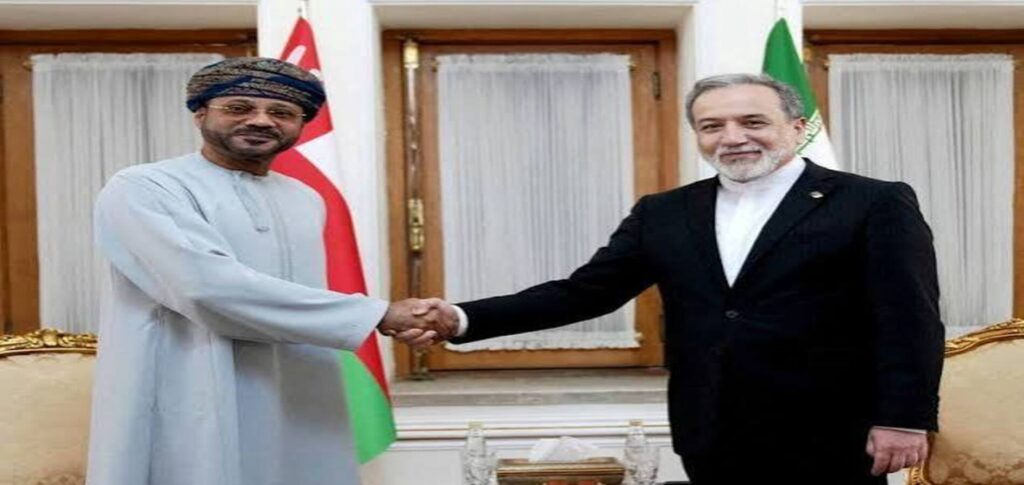
The two countries discussed the management of shipping through the strategic waterway on Tuesday.
Omani Foreign Minister Badr Albusaidi said he hoped officials could announce a temporary corridor soon.
He said the two sides also agreed to clear mines from the waterway.
The proposed arrangement could help restore safer commercial shipping through one of the world’s most important energy routes.
Strait of Hormuz Remains Under Pressure
Before the conflict began, the Strait of Hormuz carried about one-fifth of global oil and liquefied natural gas shipments.
Most shipping has since stopped because of the conflict and competing restrictions imposed by Iran and the United States.
The disruption has created major concerns for energy markets and international shipping companies.
Iran and Oman have held several rounds of discussions in recent weeks over how vessels could safely travel through the strait.
Albusaidi said he remained hopeful that the two countries could soon announce practical measures to restore navigation.
Iran Rejects New US Sanctions
The talks come as Washington increases economic pressure on Tehran.
The United States recently warned countries and companies that continue doing business with Iran that they could face sanctions.
Iran condemned the campaign and described the American pressure as illegal.
Tehran also expressed confidence that several countries would refuse to join the U.S. effort.
China remains particularly important to Iran because it has continued to buy Iranian oil.
Iranian Foreign Minister Abbas Araqchi also stressed the importance of stronger cooperation with Beijing during a meeting reported by Iranian state media.
Iran Blacklists 45 Ships
Iran has also taken steps to tighten control over shipping in the Strait of Hormuz.
On Sunday, Tehran announced a blacklist containing 45 ships.
The move appeared aimed at stopping ship-to-ship transfers that Gulf energy producers allegedly use to avoid the Iranian blockade.
Some oil companies are now considering avoiding vessels on the Iranian blacklist.
The measures have added another layer of uncertainty for companies operating in the region.
Oil Prices Fall as Talks Raise Hopes
Oil prices fell for a third consecutive day as markets responded to signs of renewed diplomatic efforts.
Prices dropped more than $2 a barrel to reach a two-week low.
Investors have closely followed developments around the Strait of Hormuz because any improvement in shipping conditions could ease concerns about global energy supplies.
The United States has also begun returning some diplomatic personnel to Middle Eastern missions that previously reduced operations because of the conflict.
The move suggests Washington sees a lower risk of immediate escalation.
US Not Planning New Strikes for Now
U.S. Secretary of State Marco Rubio reportedly told allies that Washington does not currently expect to launch new strikes against Iran.
Instead, the administration plans to rely on other forms of pressure.
Despite that development, tensions remain high.
Thousands of people have died during the conflict, with Iran and Lebanon suffering many of the casualties.
The United States and Israel have also significantly weakened Iran’s conventional military capabilities.
The condition of Iran’s nuclear program remains uncertain.
For now, the proposed Hormuz corridor offers a potential path toward restoring commercial navigation, but its success will depend on further negotiations and security arrangements between Iran, Oman and other parties involved in the waterway.