
Iran Water Supply Damage Leaves Nearly 10,000 Without Running Water After Reported US Strikes
Iran water supply damage has left nearly 10,000 people without running water after reported US strikes damaged key infrastructure in southern Iran.
Iranian officials said the disruption affected around 20 villages as military tensions between Tehran and Washington continued to escalate.
Iran Water Supply Damage Hits Southern Villages
Iran’s national water company said overnight strikes damaged facilities responsible for supplying drinking water to thousands of residents.
Authorities confirmed that approximately 20 villages lost access to running water following the reported attacks.
Emergency repair teams have begun working to restore the damaged infrastructure. However, officials have not provided a specific timeline for the return of normal water services.
Residents face growing difficulties as engineers assess the damage and work to repair essential facilities.
The incident has also raised concerns about the wider humanitarian consequences of attacks on critical civilian infrastructure.
Iran Reports Retaliatory Military Action
Iranian authorities said the country responded by targeting US military assets in Bahrain, Jordan and Kuwait.
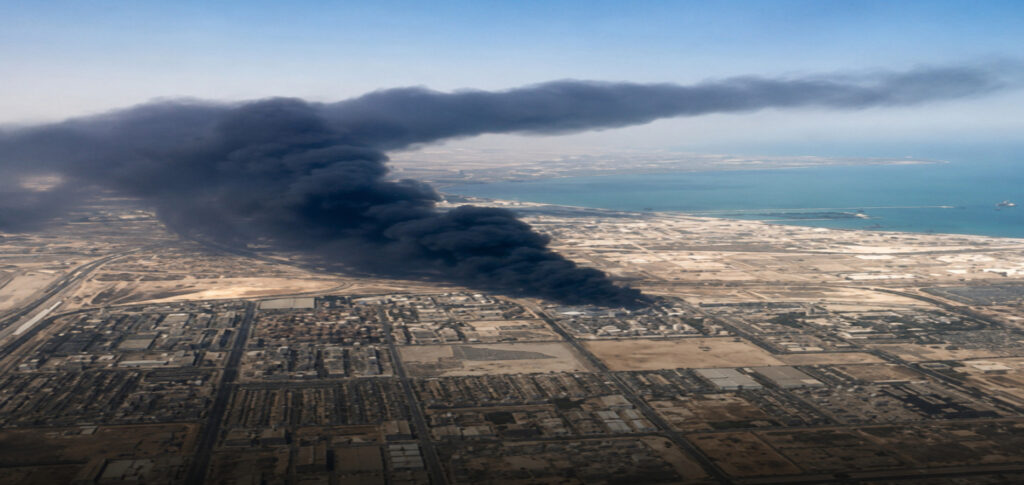
Kuwaiti officials confirmed that two facilities connected to electricity generation and water production were damaged. A fire was also reported at one of the sites.
No immediate casualties were reported in connection with the damage, while authorities continued assessing the affected facilities.
The reported strikes have added to concerns about the impact of the widening conflict on essential services across the region.
United States Continues Military Operations
US Central Command (CENTCOM) confirmed that American forces conducted a seventh consecutive night of military operations.
According to CENTCOM, the strikes targeted surveillance positions, logistics facilities, underground weapons storage sites and maritime assets.
US forces reportedly used fighter aircraft, drones and naval assets during the operation.
The continued military activity has increased fears that the confrontation could expand further across the Middle East.
Casualties Reported in Hormozgan Province
Iranian state media reported that three people were killed and eight others injured in Hormozgan province.
The province borders the Strait of Hormuz, one of the world’s most strategically important shipping routes.
The waterway handles a major share of global energy shipments, meaning military activity in the surrounding area can quickly create international security and economic concerns.
Conflicting Claims Over Tanker Explosions
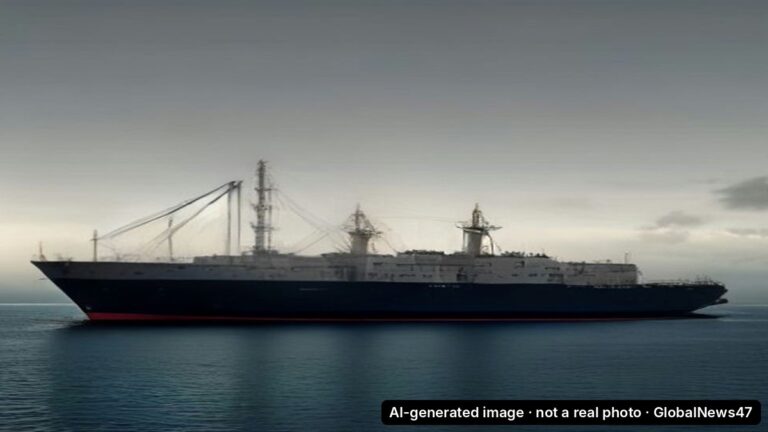
Iran’s Islamic Revolutionary Guard Corps claimed that two oil tankers exploded after striking naval mines while travelling through the Strait of Hormuz.
US Central Command rejected the allegation and described the report as false. American officials also denied that any tanker explosion had occurred.
The conflicting statements have added further uncertainty to an already volatile security situation around the strategic waterway.
Regional Tensions Continue to Rise
The latest developments demonstrate the growing impact of the conflict on civilians, public services and critical infrastructure.
The reported Iran water supply damage is particularly significant because disruptions to drinking-water systems can create serious humanitarian challenges for affected communities.
International organisations continue to urge the parties involved to avoid further escalation and protect essential civilian infrastructure.
Analysts warn that prolonged military confrontation could further destabilise the region, disrupt international shipping and place additional pressure on global energy markets.
For now, emergency crews are working to restore water supplies while authorities continue monitoring military developments across southern Iran and the wider region.