
Social Care Reform: Burnham Warns NHS Could Collapse Without Urgent Changes
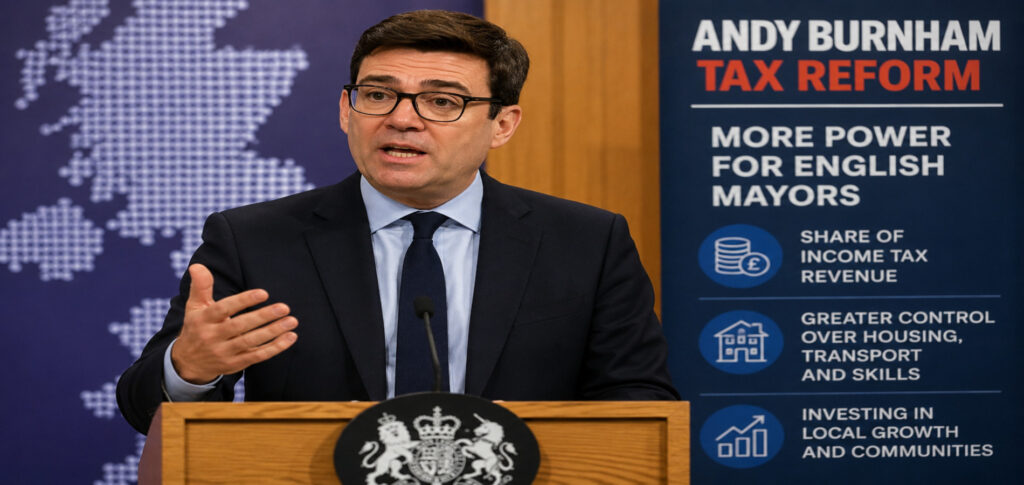
Social care reform has become one of the UK government’s biggest priorities after Prime Minister Andy Burnham warned that the NHS cannot survive unless England’s care system is fundamentally improved. He believes urgent action is necessary to reduce pressure on hospitals and protect healthcare services for future generations.
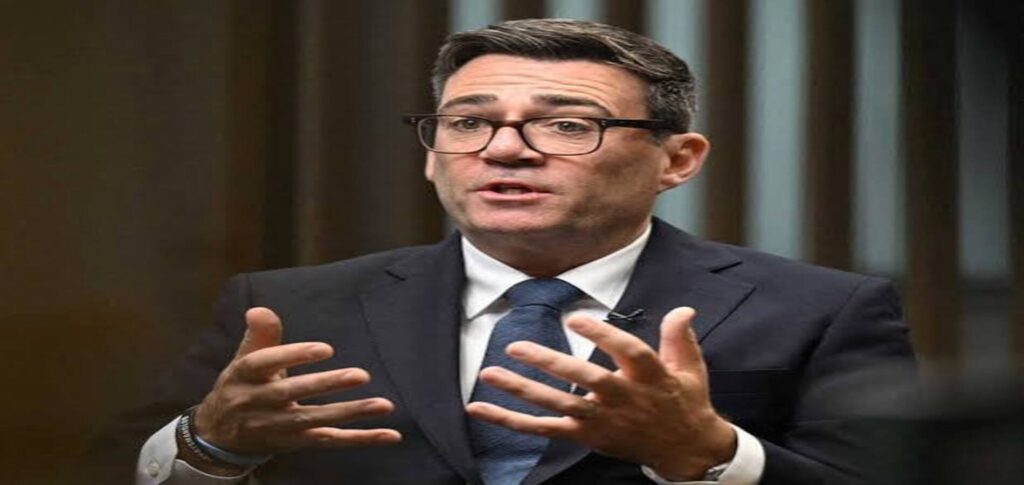
Speaking in his first major interview since becoming prime minister, Burnham said he wants to deliver lasting improvements to adult social care before leaving office. However, he stopped short of guaranteeing that a completely new system would be in place before the next general election.
NHS Facing Growing Pressure
Burnham explained that hospitals continue to struggle because many patients remain in NHS beds after treatment. In many cases, they cannot return home because suitable social care is unavailable.
As a result, hospital capacity continues to shrink while waiting lists remain under pressure.
He warned that the situation cannot continue indefinitely.
“If we don’t reform social care, the NHS will eventually collapse under the pressure of caring for people who should never have needed hospital treatment in the first place.”
Although the prime minister avoided setting a firm deadline, he promised to devote significant political effort to achieving meaningful reform.
Casey Commission Will Speed Up
Meanwhile, the government plans to accelerate the independent Casey Commission, which is reviewing England’s adult social care system.
Baroness Louise Casey currently leads the review. Originally, the commission was expected to publish its recommendations in 2028. However, Burnham now wants the work completed much sooner so reforms can begin earlier.
The commission is examining long-term funding options while identifying practical ways to improve adult social care across England.
Why Reform Matters
Unlike NHS healthcare, adult social care is not free for everyone.
People whose savings exceed the current financial threshold must contribute towards their own care costs. Consequently, many families face significant financial challenges when long-term care becomes necessary.
Healthcare experts argue that the current system discourages people from seeking help early. Therefore, more individuals eventually require hospital treatment that could have been avoided.
Several policy groups have suggested major reforms, including lifetime spending caps or even a fully funded national care service similar to the NHS.
Funding Debate Continues
However, political disagreement remains over how reforms should be funded.
Conservative leader Kemi Badenoch urged the government not to introduce higher taxes or increase public borrowing to pay for a new care system. Instead, she argued that any solution must remain fair to families who have saved throughout their lives.
Similarly, Liberal Democrat leader Sir Ed Davey called for cross-party cooperation. He said long-term reform should guarantee quality care without forcing people to sell their homes.
At the same time, Reform UK warned against introducing what it described as a “universal death tax” to finance future care services.
Welfare Changes Also Considered
Burnham also suggested that welfare rules could become stricter in the future.
According to the prime minister, the government should provide stronger support for people returning to work. Nevertheless, benefit claimants may also need to accept suitable employment opportunities when available.
He added that many younger people receiving benefits have been failed by previous support systems rather than lacking motivation to work.
No Changes to Stamp Duty
In addition, Burnham dismissed speculation that Labour plans to abolish council tax or change stamp duty in the upcoming Budget.
He confirmed there are currently no proposals to alter stamp duty. Instead, the government intends to honour its election commitments while continuing broader public service reforms.
A Light-Hearted Ending
The interview ended on a lighter note when Burnham joked about his dog, Axel.
He laughed that Axel would remain in northern England rather than moving into Downing Street because he probably would not get along with Larry the Cat, the Prime Minister’s famous feline companion.