Strait of Hormuz Tanker Explosions Raise Global Oil Supply Fears
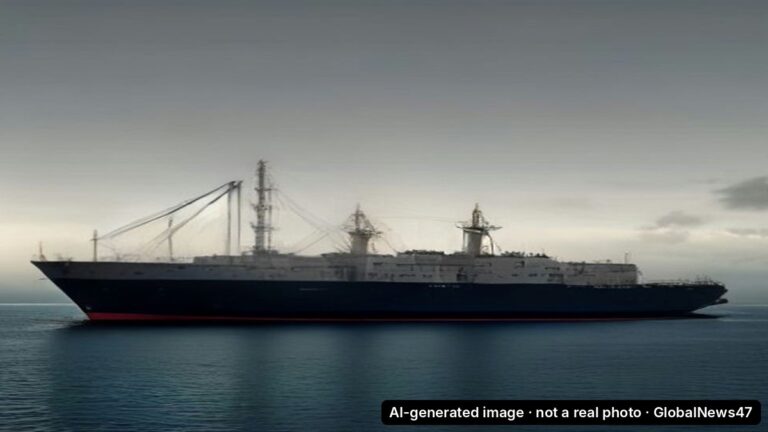
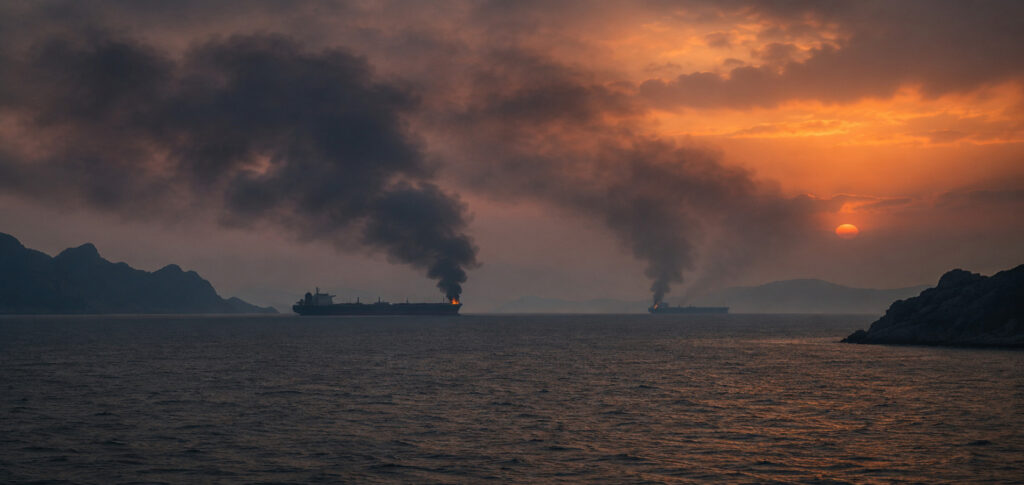
Strait of Hormuz tanker explosions have triggered fresh concerns over global energy security after two oil tankers reportedly caught fire following a series of blasts in the strategic waterway.
Iran’s semi-official Tasnim News Agency reported that the vessels may have struck areas believed to contain naval mines while travelling through the southern section of the Strait of Hormuz. However, the claims have not been independently verified.
The reported incident comes as military tensions between Iran and the United States continue to escalate across the Gulf, raising concerns about the safety of commercial shipping and the stability of global energy supplies.
Strait of Hormuz Tanker Explosions Reportedly Damage Two Vessels
Tasnim reported that both tankers caught fire shortly after the explosions.
However, the agency did not identify the vessels or provide details about their ownership, destination or cargo.
It also did not immediately report the extent of the damage or whether any crew members were injured.
International maritime authorities have not independently confirmed the reports. The exact cause of the explosions also remains unclear.
Iran Warns of Dangerous Shipping Conditions
Iran’s Islamic Revolutionary Guard Corps (IRGC) reportedly described the Strait of Hormuz as “extremely unsafe” amid the current military tensions.
According to Tasnim, the IRGC Navy linked the worsening security situation to ongoing US military activity in the region.
The warning could increase pressure on commercial shipping operators, particularly those transporting crude oil and liquefied natural gas through the narrow waterway.
Shipping companies are likely to closely assess security conditions before sending vessels through affected areas.
Global Oil Markets Remain on Alert
The Strait of Hormuz is one of the world’s most important energy corridors, carrying a substantial portion of global oil and liquefied natural gas shipments.
Any prolonged disruption could delay deliveries, increase shipping and insurance costs and tighten energy supplies.
Energy markets are therefore closely monitoring developments. A sustained threat to tanker traffic could push crude prices higher and increase uncertainty for consumers and businesses worldwide.
Shipping operators may also face additional costs if vessels are forced to alter routes or adopt additional security measures.
Military Tensions Increase Shipping Risks
The reported Strait of Hormuz tanker explosions occurred amid growing confrontation between Iran and the United States.
Both countries have exchanged increasingly strong warnings and military actions, creating a fragile security environment across the Gulf.
The Strait has become a particularly sensitive flashpoint because of its importance to international trade and energy supplies.
Even without confirmation of the reported explosions’ cause, any incident involving commercial tankers could intensify concerns about maritime security.
Independent Verification Remains Pending
Details surrounding the incident remain limited.
Iranian media have reported the explosions and possible contact with naval mines, but independent maritime authorities have yet to confirm those claims.
There is also no confirmed information about casualties, environmental damage or the identities of the vessels involved.
Further information from shipping companies, maritime security agencies or government authorities could provide greater clarity.
Strait of Hormuz Remains Critical to Global Trade
The latest reports highlight the strategic importance of the Strait of Hormuz and the potential consequences of instability in the region.
Governments, shipping companies and energy traders are expected to continue monitoring commercial traffic and security developments closely.
If tensions escalate further, disruptions to tanker movements could affect global oil supplies, shipping costs and energy prices.
For now, uncertainty remains high as authorities assess the reported Strait of Hormuz tanker explosions and international markets watch for signs of further disruption.