
The conflict between the United States and Iran has entered a new and more dangerous stage, with American forces now carrying out strikes far beyond Iran’s coastline.
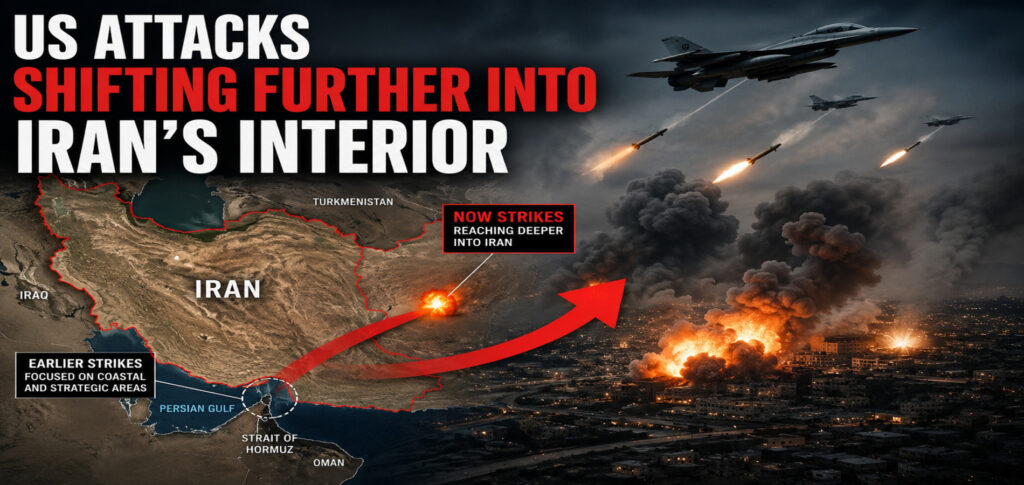
After initially focusing on targets linked to the Strait of Hormuz, the US has shifted its military campaign deeper into Iranian territory, signaling a significant change in strategy.
The move suggests Washington is increasing pressure on Tehran as hopes for a quick return to diplomacy continue to fade.
From Coastal Targets to Iran’s Interior
In the days immediately following the collapse of the ceasefire, US military operations remained relatively limited. Most of the strikes were directed at locations connected to Iran’s military presence around the Strait of Hormuz, a key waterway through which a large share of the world’s oil passes.
Those operations were viewed as a measured response aimed at protecting regional security without dramatically widening the conflict.
That approach now appears to have changed.
Recent strikes have reached much deeper into Iran, targeting sites well beyond the country’s southern coastline. The broader campaign reflects a clear escalation in both the range and intensity of US military operations.
Trump Approves Broader Military Strategy
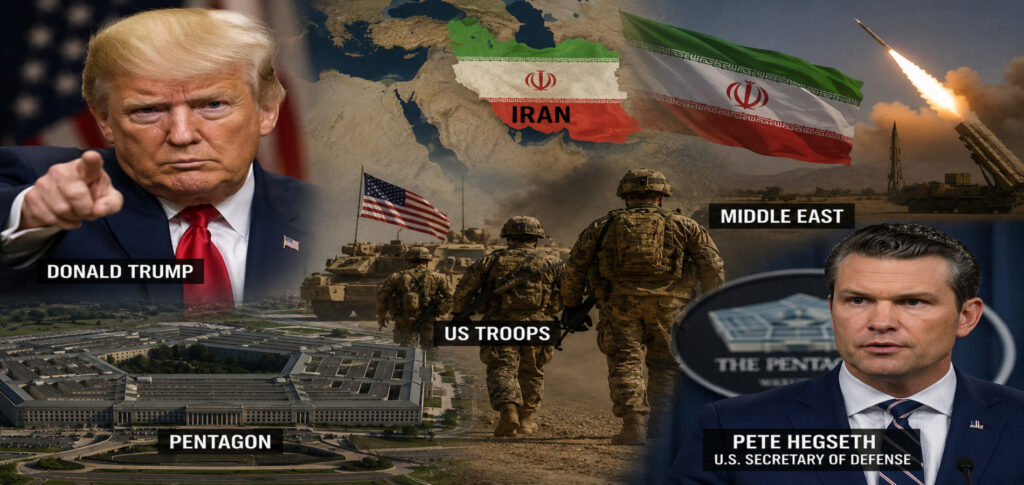
According to reports, President Donald Trump met with senior national security advisers in the White House Situation Room earlier this week to review military options.
During the meeting, officials reportedly presented a list of additional targets inside Iran, giving the president a wider range of choices for future operations.
The latest attacks suggest that Trump approved a more aggressive strategy designed to increase pressure on Iran’s leadership and military infrastructure.
While the administration has not released full details of the operation, the shift indicates that Washington is prepared to expand its campaign if necessary.
Diplomacy Faces a Tougher Road
One of the biggest concerns surrounding the latest escalation is its impact on diplomacy.
Even after the ceasefire collapsed, President Trump maintained that communication with Iran had not completely ended and that dialogue was still possible despite ongoing military action.
That balancing act is becoming increasingly difficult.
As military operations grow larger and reach further into Iranian territory, rebuilding trust and returning to negotiations becomes a far greater challenge. Every new strike raises tensions and reduces the chances of an immediate diplomatic breakthrough.
Regional Tensions Continue to Rise
Security analysts warn that expanding the conflict increases the risk of retaliation and could draw more countries or armed groups into the crisis.
Any further escalation could threaten shipping routes, disrupt global energy supplies, and deepen instability across the Middle East.
The Strait of Hormuz remains one of the world’s most strategically important waterways, making developments in the region closely watched by governments and financial markets alike.
An Uncertain Future
The latest expansion of US military operations marks a turning point in the conflict.
What began as limited strikes has evolved into a broader campaign reaching deeper inside Iran, raising fresh concerns about where the confrontation may head next.
Whether diplomacy can regain momentum remains unclear. For now, the conflict appears to be moving further away from negotiations and closer to a prolonged period of military confrontation.