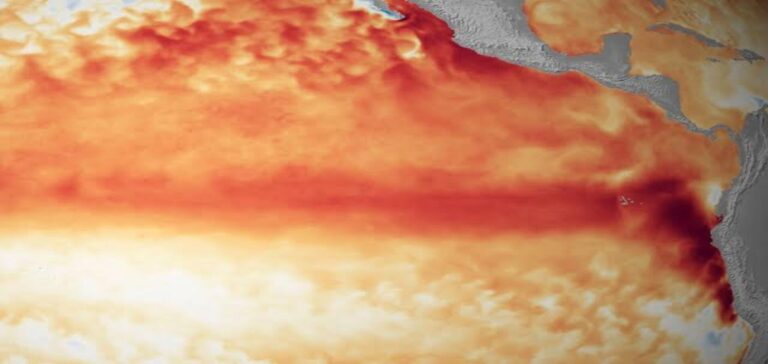

The United Nations has warned that Super El Nino could become a significant threat to global health.
The climate pattern may bring extreme heat, severe drought and widespread flooding. As a result, millions of people could face greater health risks.
The warning comes as forecasters expect the current El Nino cycle to rank among the strongest on record.
Super El Nino Could Increase Disease Risks
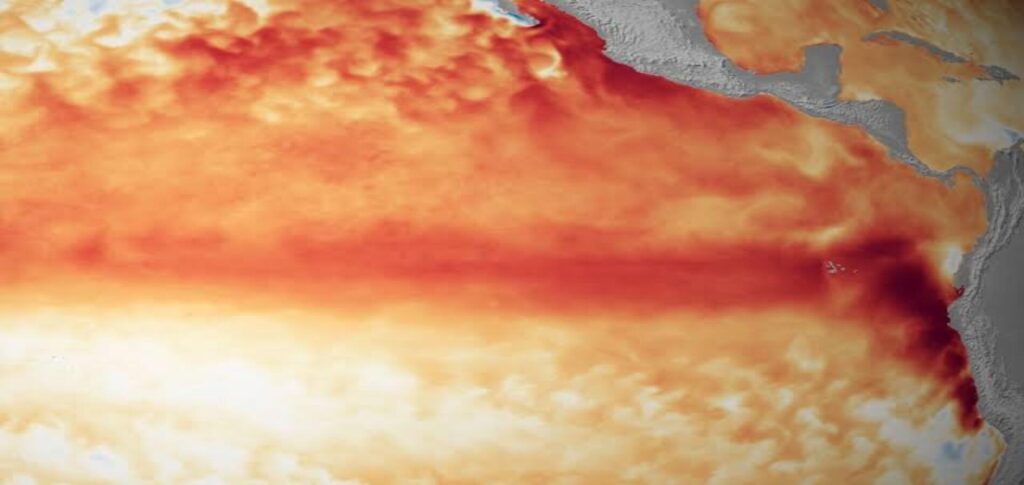
El Nino develops when surface waters in the Pacific Ocean become unusually warm. The weather pattern can influence temperatures and rainfall across large parts of the world.
Currently, its effects are already reaching areas from Central America to Indonesia.
Moreover, heavy rainfall could create conditions that help infectious diseases spread. According to the World Health Organization, stagnant water can provide breeding grounds for mosquitoes.
That could increase the risk of diseases such as malaria, dengue and chikungunya.
Heavy rain can also raise the risk of cholera, particularly where clean water and sanitation systems remain limited.
Health Systems Face Greater Pressure
WHO officials say the greatest risks could emerge when climate shocks hit vulnerable communities.
Teresa Zakaria, WHO Unit Head for Risk Reduction, Humanitarian Operations and Climate Change, described El Nino as a significant public health threat and a risk multiplier.
She urged governments to take action before weather-related health problems develop into wider emergencies.
“The most severe impacts will be experienced while climate shocks intersect with weak health systems, limited access to healthcare, food insecurity, displacement and humanitarian crisis,” Zakaria said.
She added that countries still have an opportunity to reduce the risks and prevent unnecessary suffering.
Strong El Nino Could Extend Into 2027
The World Meteorological Organization previously warned that the current El Nino could become the strongest in decades.
The organization also expects its effects on global weather patterns to continue into 2027.
However, scientists stress that El Nino itself is a natural climate pattern. It is not directly caused by human-driven climate change.
Nevertheless, climate change is making global temperatures higher. Therefore, the combination could produce more severe conditions in some regions.
Record Heat Makes This El Nino Different
Armel Castellan, an adviser on extreme heat at the WHO-WMO Climate and Health Joint Programme, said every El Nino event has different effects.
This time, however, exceptionally high global temperatures could make the situation more concerning.
“Every El Nino is different,” Castellan said.
He noted that the combination of El Nino and already record-breaking temperatures makes the current event unusual.
Governments Urged to Act Early
Health authorities can prepare by strengthening disease surveillance, protecting water supplies and improving emergency response systems.
In addition, early warnings can help communities prepare for floods, heatwaves and other extreme weather events.
The UN says early action could reduce the health impact of Super El Nino and help protect vulnerable populations as climate risks continue to grow.