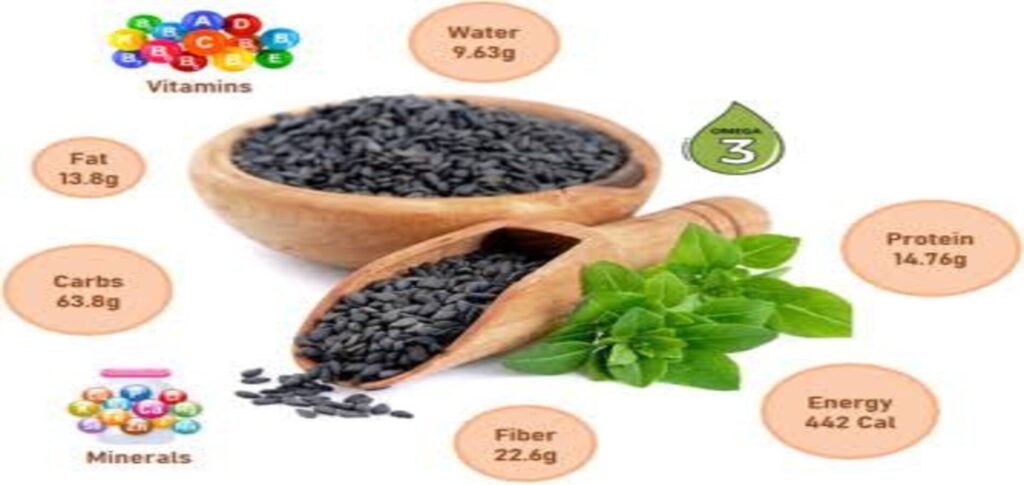
Basil seeds, also known as sabja or tukmaria, have become increasingly popular as a nutritional food.
These tiny black seeds are often promoted for cholesterol control, digestion, blood sugar management and weight management.
However, how much of the hype is supported by evidence?
Basil seeds contain soluble fiber and other nutrients that may support overall health. Still, they should complement a balanced diet rather than replace medical treatment for high cholesterol.
How Basil Seeds May Affect Cholesterol
One of the main reasons people use basil seeds for cholesterol is their fiber content.
When soluble fiber mixes with water, it forms a gel-like substance. This fiber can help reduce the absorption of some cholesterol and bile acids in the digestive tract.
As a result, regular intake of fiber-rich foods may support healthier cholesterol levels.
However, basil seeds alone should not be considered a treatment for high cholesterol. People with diagnosed high cholesterol should continue following advice from their healthcare professional.
Basil Seeds May Support Blood Sugar Control
Soluble fiber can also slow digestion and carbohydrate absorption.
Therefore, meals containing fiber may produce a slower rise in blood sugar after eating.
Adding soaked basil seeds to a balanced meal could increase its fiber content. However, the seeds should not replace prescribed diabetes medication or other recommended treatments.
Sabja Seeds Can Support Digestive Health
Basil seeds develop a slippery, gel-like coating after soaking.
This mucilaginous layer comes from their fiber content. Once consumed with enough fluid, the added fiber can increase stool bulk and support regular bowel movements.
For people who do not consume enough dietary fiber, basil seeds can therefore be one useful addition to a broader high-fiber diet.
Adequate water intake remains important, especially when increasing fiber consumption.
Basil Seeds May Help With Appetite
Because fiber can increase feelings of fullness, basil seeds may help some people feel satisfied for longer after eating.
That effect could make it easier to manage overall food intake.
Nevertheless, basil seeds are not a magic weight-loss food. Sustainable weight management still depends on overall eating habits, physical activity, sleep and calorie balance.
Do Basil Seeds Help With Hydration?
Soaked basil seeds absorb water and develop their characteristic gel-like coating.
This makes them a popular addition to drinks, particularly in warm weather.
However, the seeds themselves should not be viewed as a substitute for drinking enough water. Proper hydration still depends primarily on regular fluid intake.
Basil Seeds Provide Useful Nutrients
Basil seeds also contain several nutrients and plant compounds.
Depending on the serving size and product, they can contribute fiber, minerals and other plant-based compounds to the diet.
Calcium and Magnesium
Basil seeds contain minerals such as calcium and magnesium.
These nutrients play important roles in maintaining normal bone and muscle function.
Iron
They can also provide some iron, an essential mineral involved in oxygen transport and other bodily functions.
However, basil seeds should not be relied upon as the sole source of iron for people with an iron deficiency.
Plant Compounds
Basil seeds contain various plant compounds, including polyphenols.
These compounds have antioxidant properties and are being studied for their potential role in protecting cells from oxidative stress.
How to Prepare Basil Seeds Safely
Dry basil seeds should generally be soaked before consumption.
To prepare them, add 1 to 2 teaspoons of basil seeds to approximately one cup of water.
Allow the seeds to soak for around 15 to 20 minutes. They should swell and develop a translucent, gel-like coating.
Afterward, they can be consumed as part of a drink or meal.
Soaking also makes them easier to swallow and reduces the risk of discomfort that may occur when consuming large amounts of dry seeds with insufficient fluid.
Easy Ways to Eat Sabja Seeds
There are several simple ways to add soaked basil seeds to your diet.
Basil Seed Drink
Mix soaked seeds with water and add lime or another flavoring for a refreshing drink.
If you use honey or another sweetener, keep the quantity modest.
Add Them to Smoothies
Soaked basil seeds can easily be blended into smoothies.
This provides an uncomplicated way to increase the fiber content of a drink.
Mix Them With Yogurt or Oats
You can also sprinkle soaked basil seeds over yogurt or oats.
They can add texture and fiber without dramatically changing the flavor of the meal.
Are Basil Seeds a Cholesterol Cure?
No.
Although basil seeds for cholesterol have attracted considerable attention, they should not be treated as a cure for high cholesterol.
Their soluble fiber may contribute to a heart-healthy eating pattern. However, cholesterol levels depend on many factors, including genetics, overall diet, body weight, physical activity and certain medical conditions.
People with significantly elevated cholesterol should discuss appropriate treatment with a qualified healthcare professional.
Final Verdict on Basil Seeds for Cholesterol
Basil seeds are more than a social-media trend. Their fiber content makes them a potentially useful addition to a balanced diet.
They may support digestion, contribute to fullness and provide useful nutrients. Their soluble fiber may also help support healthy cholesterol and blood sugar levels.
Still, the strongest approach is to use basil seeds as one part of a nutritious diet, not as a standalone solution.
For the best results, soak them properly, consume them with sufficient fluid and maintain an overall diet rich in vegetables, fruits, whole grains, legumes, nuts and other high-fiber foods.