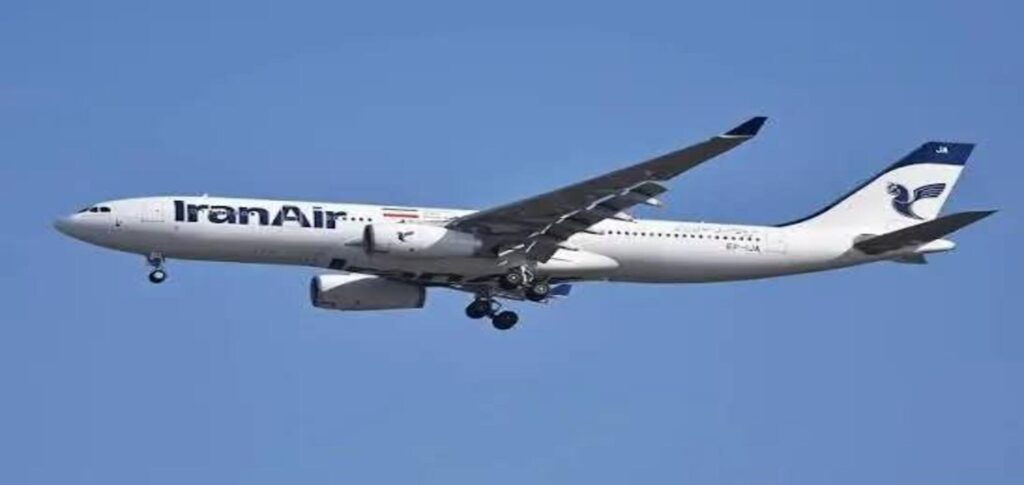
The United States will impose new restrictions on Iran’s aviation sector, with all Iranian commercial airlines expected to stop operating worldwide from Wednesday, US Treasury Secretary Scott Bessent said.
Bessent announced the measure during a CNBC interview. He explained that Washington wants to isolate Tehran’s civilian aviation network through expanded secondary sanctions. Meanwhile, Iranian officials have not yet issued a public response to the planned restrictions.
US Expands Pressure on Iran’s Aviation Sector
The new measures could affect international airports and companies that continue working with Iranian aircraft. In addition, Bessent warned that operators providing fuel, landing services, or ticket sales for Iranian airlines may lose access to US dollar transactions.
Furthermore, the Treasury chief said the United States has identified financial intermediaries that help Iran avoid existing sanctions. He warned that Washington will take action against individuals and organizations supporting Tehran’s financial activities.
“We’ve seen enablers throughout the world,” Bessent said. “We know who they are, and we are putting a stop to it.”
At the same time, Bessent said Washington discussed possible cooperation with Chinese officials during recent meetings. He added that the United States prefers private discussions with international partners instead of public disputes.
Additionally, he said Chinese financial officials, including People’s Bank of China Governor Pan Gongsheng, remain involved in talks about enforcement efforts.
Sanctions Could Affect Global Aviation Partners
Bessent did not provide a specific timeline for the sanctions campaign. However, he said the pressure could continue for weeks or months and described the effort as stronger than previous actions against Iran.
As a result, Iranian airlines and international companies connected to Tehran’s aviation network could face major operational challenges.
The aviation restrictions form part of Washington’s wider economic pressure campaign against Tehran during the ongoing Iran conflict. Because of this, businesses involved in trade, transportation, and finance are closely monitoring the situation.
The conflict has already affected regional trade, increased tensions around the Strait of Hormuz, and disrupted parts of the Middle East’s energy and shipping networks.
Impact on Iran’s Civil Aviation
The United States says the sanctions aim to reduce Iran’s ability to access international financial systems. However, Tehran has repeatedly criticized US restrictions, arguing that they damage its economy and affect civilian sectors.
Meanwhile, passengers and aviation companies connected to Iran may face uncertainty as governments and businesses assess the impact of the new measures.
Ultimately, the planned aviation restrictions represent another major step in the growing economic pressure campaign between Washington and Tehran.