
Iraq is seeking a US exemption for Iraq Iranian flights after American sanctions disrupted air travel between the neighboring countries. The restrictions have affected patients, students and religious pilgrims who rely on the routes.
The Iraqi government said Saturday that it is holding direct talks with Washington. Officials want certain Iraqi airports to receive exemptions so flights can resume for humanitarian and civilian purposes.
Iraq Seeks Humanitarian Exemption
The Iraqi prime minister’s media office said the government wants exemptions for flights linked to medical treatment, education and religious visits.
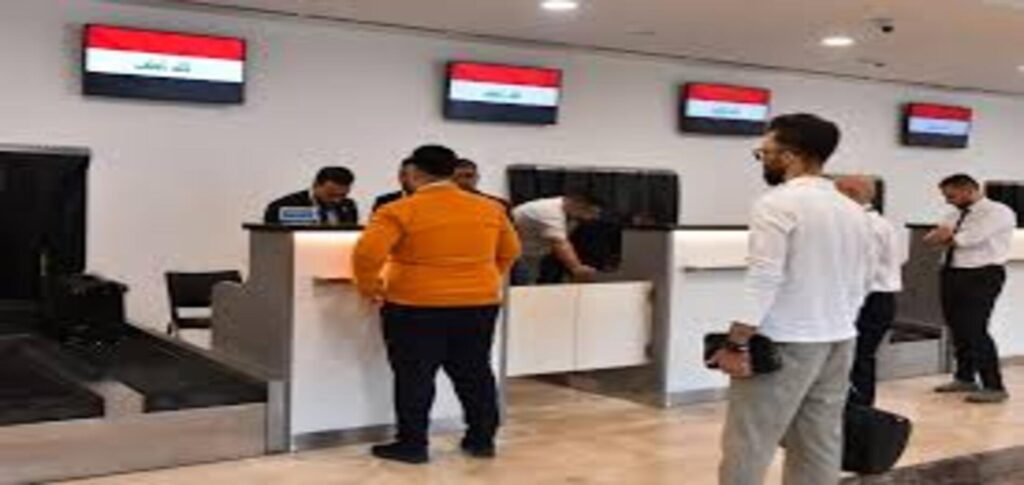
The request comes after Iraqi airports enforced restrictions on Iranian airlines this week. The measures caused major disruption at Najaf International Airport, a key destination for flights between the two countries.
Najaf plays an important role in religious travel. Iranian airlines regularly carry Iraqi Shiite pilgrims to holy cities in Iran. They also transport Iranian visitors traveling to religious sites in Iraq.
Meanwhile, Iraqi students and patients depend on the same routes for education and medical care.
Patients and Students Face Travel Problems
The flight restrictions have created difficult choices for travelers.
Some Iraqi patients fear they could lose access to medical treatment in Iran. Others who remain in Iran face long journeys by road after flights were suspended.
Land travel can take more than 12 hours, depending on the destination. As a result, the aviation restrictions have created an immediate humanitarian concern for people who cannot easily switch to other travel options.
The disruption also affects families and students who regularly travel between Iraq and Iran.
US Sanctions Target Iranian Aviation
The restrictions followed a broader US campaign against Iran’s aviation sector.
US Treasury Secretary Scott Bessent said Iranian airlines would effectively be shut out of international operations from September 23. He warned that foreign aviation companies could face US penalties if they provide fuel, landing services or ticketing support to sanctioned Iranian carriers.
The US Treasury had already expanded sanctions against Iran’s aviation sector, targeting airlines and companies accused of supporting Iran’s military and aviation networks.
Iraq now faces the challenge of complying with US sanctions while maintaining essential travel links with Iran.
Najaf Becomes a Major Pressure Point
Najaf has become one of the main pressure points in the dispute because of its importance to religious travel.
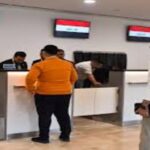
Recent reports said Iraqi airports, including Baghdad, Najaf, Erbil and Sulaimaniyah, halted Iranian flights after the US measures took effect. Ground-handling companies also stopped servicing Iran-linked flights, effectively disrupting air travel between the two countries.
Earlier, Iraq had considered diverting Iranian flights from Baghdad to Najaf as an alternative. However, Najaf later also suspended Iranian flights.
Iraq Balances US Pressure With Iran Ties
Iraq and Iran maintain close religious, political and economic ties. Both countries have large Shiite Muslim populations, while Iran remains an important regional partner for Iraq.
However, Baghdad also faces pressure to comply with US financial and sanctions policies.
The new talks with Washington could determine whether Iraq secures limited exemptions for specific airports or humanitarian routes.
For now, Iraqi officials are seeking a solution that would restore essential flights without exposing the country’s airports and service providers to US sanctions.
The outcome could have a direct impact on patients, students, families and religious pilgrims who depend on Iraq Iranian flights for travel between the two countries.