
Iran’s Revolutionary Guards say two oil tankers hit sea mines near Khasab, the Omani port on the edge of the Strait of Hormuz. According to a Guards statement carried by Iran’s semi-official Tasnim news agency on Thursday, 26 November 2026, both ships exploded and caught fire. The claim has not been independently confirmed.
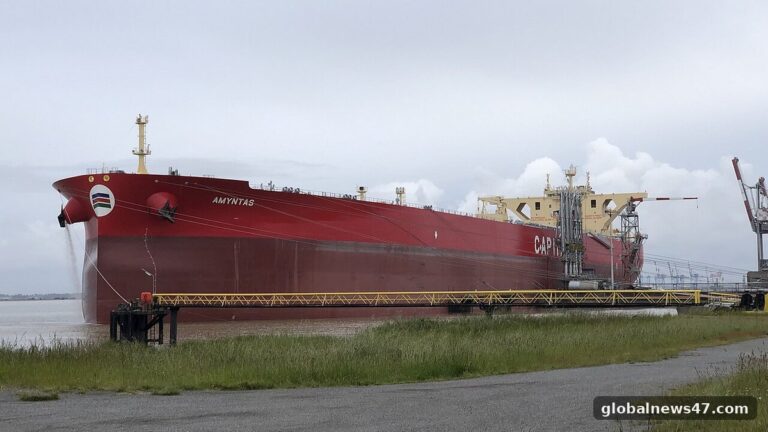
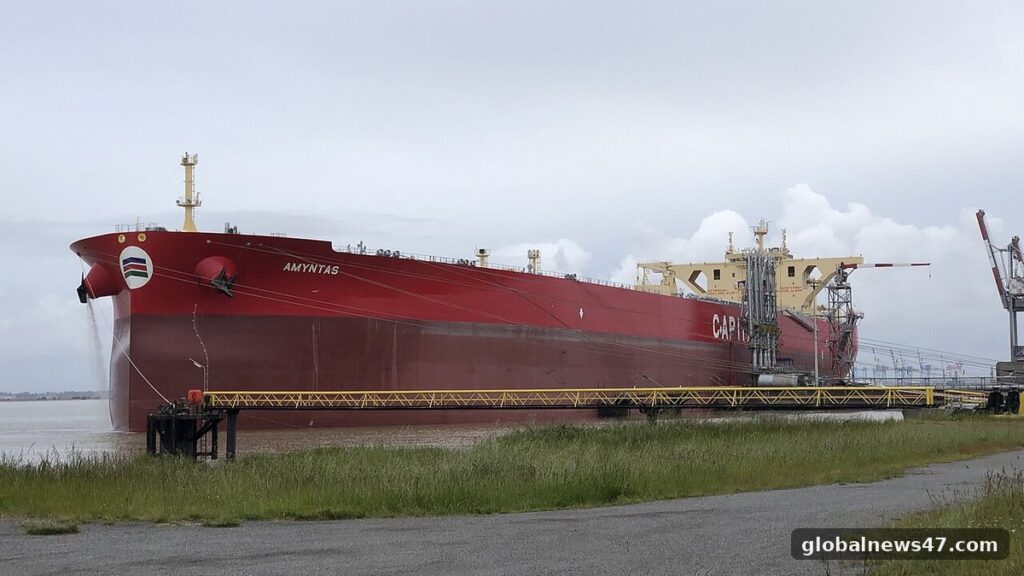
The Guards said one of the vessels was a supertanker carrying more than two million barrels of crude oil. They did not name either ship. They also gave no details about the crews, casualties or the ships’ owners.
What Iran says about the Khasab mines
The Islamic Revolutionary Guard Corps (IRGC) navy said the two tankers were trying to cross the Strait of Hormuz through an “unauthorised” route. In its account, the ships struck mines north of Khasab, which sits on Oman’s Musandam peninsula.
Iran has long argued that ships cannot cross the strait safely without first coordinating with Tehran. Sea mines are among the risks it cites. The latest statement repeats that warning in practical terms. In effect, Iran is telling shipowners that routes it has not approved are dangerous.
On the same day, Guards spokesman Hossein Mohebbi said the force was using heavy firepower to keep the strait closed, according to state media. He said the aim was to put pressure on the US economy and to defend Iran.
Meanwhile, the Guards’ naval commander, Rear Admiral Ali Azmaei, said Iran had “full operational control of the Strait of Hormuz”. He added that safe passage depended on respect for Iran’s “legitimate sovereign rights”.
Accounts do not fully match
Independent maritime agencies have not confirmed the mine strikes. However, the UK Maritime Trade Operations agency (UKMTO) reported a separate incident on Thursday. It said an unknown projectile caused an explosion near a tanker about 50 nautical miles west of Dubai.
It is not clear whether that report is linked to the ships named in the Iranian claim. In addition, maritime security agencies often describe such incidents as strikes by unknown projectiles. Their reports have generally covered fewer incidents than the Guards announce, and the two sets of accounts do not always match.
As a result, important questions remain open. These include which ships were hit, whether anyone was hurt, and whether mines or another weapon caused the damage. As of Friday afternoon, 27 November (PKT), neither Oman nor the tanker operators had given a public account.
Why the Strait of Hormuz matters
The Strait of Hormuz links the Gulf to the Gulf of Oman and the open sea. It is one of the world’s most important routes for oil and gas exports. Any threat to shipping there can push up insurance costs and freight rates. It can also unsettle energy markets far beyond the region.
Since October, Iran has used new offensive tactics against shipping in the strait, according to Reuters reporting. The goal, analysts say, is to stop a recovery in Gulf oil flows. That recovery has been helped by US Navy support and by Gulf tanker operators taking greater risks.
Earlier this week, Iran also said more tankers had struck mines in the waterway. Our earlier report on tankers hitting mines in the Strait of Hormuz has the background.
Wider tension across the Gulf
The latest claim comes amid wider tension across the Gulf. On the same day, Kuwait said debris from intercepted Iranian drones killed two Italian technicians at a military site. Iran has denied responsibility for that attack. You can read our report on the Kuwait drone attack for details.
Taken together, these events show how quickly risks can spread from one part of the Gulf to another. For shipping companies, the message is mixed. US naval support has encouraged some operators to resume voyages. Yet Iran’s warnings, and the reported mine strikes, raise the cost of each crossing.
What happens next
Shipping firms will now watch for confirmation from UKMTO, Oman or the vessels’ owners. Insurers are likely to study the claims closely before setting new premiums for Gulf voyages.
Iran’s statements suggest it will keep pressing ships to use routes it approves. For now, the Revolutionary Guards’ account remains a claim. Until independent sources confirm the details, the exact scale of the damage near Khasab is uncertain.
Sources & References
- Arab News (Reuters): Iran’s Revolutionary Guards say two oil tankers hit sea mines near Oman’s Khasab (26 Nov 2026)
- Middle East Eye: Iran’s Revolutionary Guards say two oil tankers hit sea mines near Oman’s Khasab, Tasnim reports (live blog, 26 Nov 2026)
- IRGC statement as carried by Tasnim news agency, and UKMTO incident report, both as reported by the outlets above