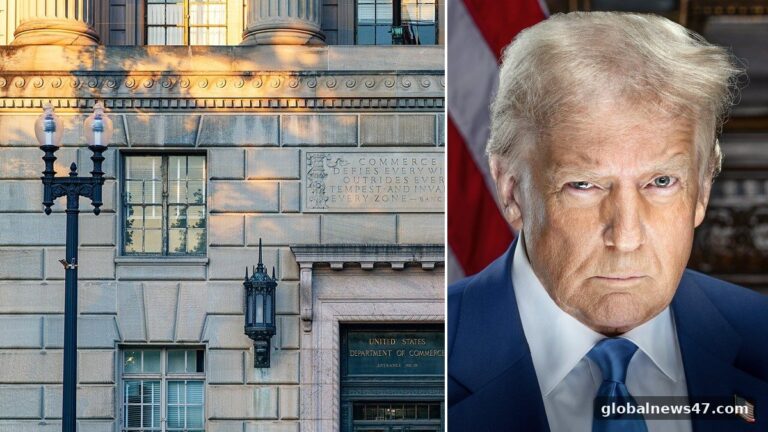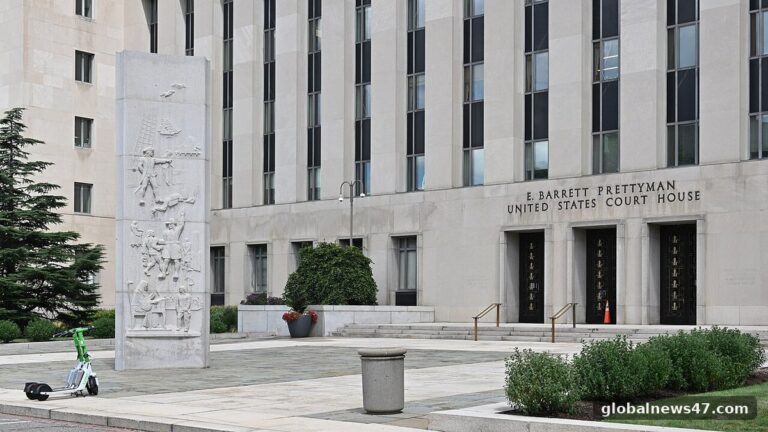

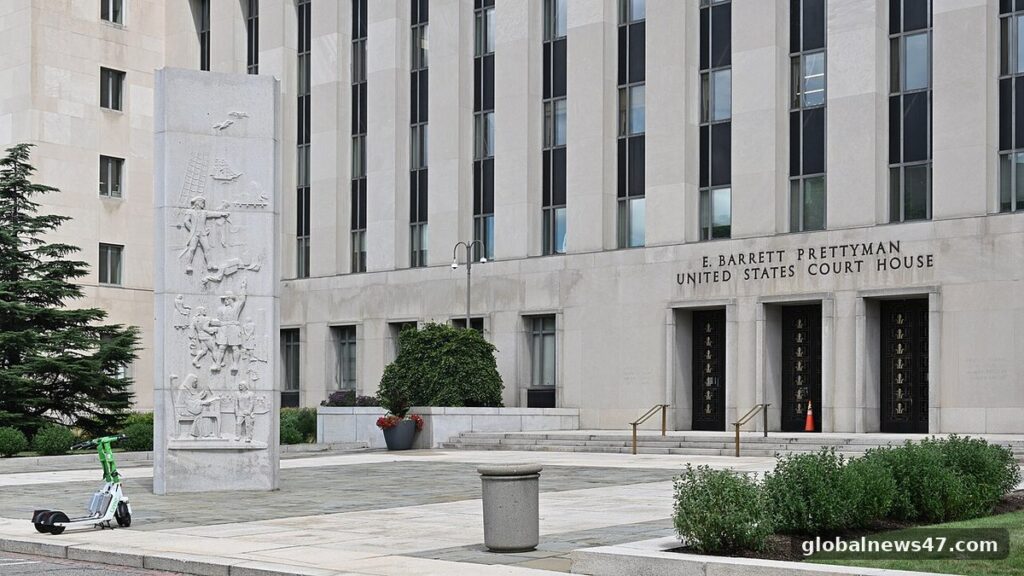
A federal judge in Washington has blocked President Donald Trump’s second attempt to restrict birthright citizenship in the United States. US District Judge Christopher Cooper granted a preliminary injunction on Wednesday, 25 November 2026. His ruling stops the government from applying the narrower August orders to a certified class of affected children.
The decision is another legal setback for the White House. In June, the US Supreme Court struck down Trump’s first order, which tried to end automatic citizenship for many US-born children.
What the judge ruled on birthright citizenship
Judge Cooper, who sits on the federal district court in the District of Columbia, said the Constitution leaves little room for new limits. “The Citizenship Clause promises citizenship to practically all children born in the United States,” he wrote.
He also rejected the idea that a president can create new categories of exclusion. In his ruling, Cooper said the White House has no power to invent fresh exceptions for children born on US soil and subject to its laws.
In his view, the children covered by the new orders are still subject to US jurisdiction. Therefore, they are protected by the 14th Amendment. Cooper also granted class-action status to the group of families that brought the case. As a result, the injunction covers the whole certified class, not only the named plaintiffs.
Cooper, who was appointed by Barack Obama, tied his decision directly to the Supreme Court’s June ruling. He wrote that the high court had “kept that promise by striking down” the first order. His court, he added, was doing so again for the second.
What Trump’s August orders tried to do
After the Supreme Court defeat, Trump signed a new set of executive orders on 6 August 2026. “We’re making adjustments because it’s very unfair,” he said at the time, according to ABC News.
Rather than ending birthright citizenship outright, the new orders targeted specific groups. One order focused on what the administration calls “birth tourism”. Others covered children of parents employed by foreign governments or international bodies without diplomatic immunity.
The orders also reached children of parents described as “alien enemies”. In addition, they covered babies born through commercial surrogacy and children with a parent suspected of gang links or terrorism, according to ABC News.
Rights groups, including the American Civil Liberties Union (ACLU), sued in Washington on 11 August on behalf of affected children. Separately, a federal court in Maryland had already blocked the same policy with a preliminary injunction in September.
Reaction from both sides
The White House attacked the ruling. Spokeswoman Lauren Bis called it “just another ruling from an activist judge”. She argued that the August order was in line with what the Supreme Court had decided.
By contrast, the plaintiffs welcomed the decision. Cody Wofsy, an ACLU lawyer for the families, said Trump must accept that birthright citizenship is settled law. He added: “Third time is not the charm.”
ABC News said it had asked the Justice Department for comment. No public response had been reported as of Friday, 27 November (PKT).
Why the ruling matters
Birthright citizenship is written into the 14th Amendment. It grants citizenship to people born on US soil and subject to US jurisdiction. The Supreme Court confirmed that broad reading in the 1898 case of Wong Kim Ark, and it relied on that history again in June.
The stakes are large. According to a Migration Policy Institute study, roughly 255,000 newborns each year would have been denied citizenship under Trump’s first order, if it had been upheld. The August orders were narrower, so fewer children would have been affected. Even so, families in the targeted groups faced deep uncertainty about their children’s legal status.
The ruling also adds to a long list of court fights over Trump’s immigration agenda. For more US coverage, see our US & Canada section.
What happens next
The injunction is preliminary, so the case will continue in Cooper’s court. The administration is widely expected to appeal, given its public criticism of the judge. However, no appeal had been reported by Friday.
Any appeal would go first to the US Court of Appeals for the DC Circuit. Eventually, the question could return to the Supreme Court. For now, the August restrictions cannot be applied to the families covered by Wednesday’s ruling.
Sources & References
- Al Jazeera (with Reuters): Judge strikes down Trump’s latest restrictions on US birthright citizenship (26 Nov 2026)
- ABC News / Good Morning America: Judge blocks latest Trump effort to restrict birthright citizenship (26 Nov 2026)
- US Constitution, 14th Amendment (Citizenship Clause): Congress.gov Constitution Annotated