

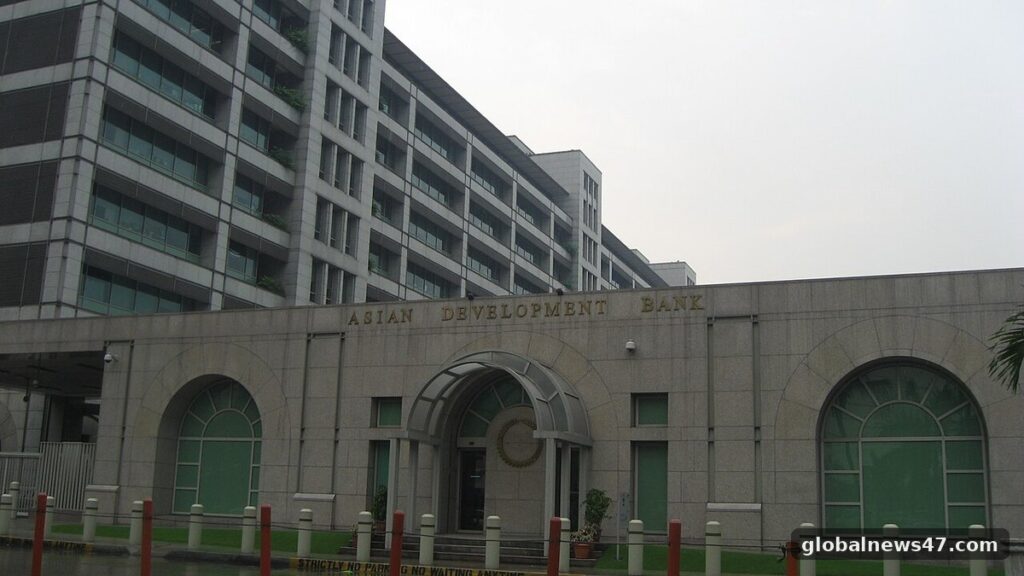
The Asian Development Bank (ADB) has approved a US$500 million loan to help Pakistan reform its federal civil pension system. The ADB pension loan, announced in Manila on Tuesday, 17 November 2026, is results-based. In other words, money is tied to reforms that Pakistan actually delivers.
The aim is simple to state but hard to achieve. Pakistan wants to stop pension costs from eating into money for schools, hospitals and development projects.
Why the ADB pension loan matters
Federal pension spending has grown nearly fivefold since fiscal year 2016, according to the ADB. It now tops Rs1 trillion a year.
The main problem is the design of the old scheme. It is a defined benefit system, which means retirees receive a set pension for life. However, it is unfunded and noncontributory. Employees do not pay into a fund, and no savings pool backs the promises. Instead, every rupee comes from the annual federal budget.
As a result, the bill rises every year as more civil servants retire and live longer. The ADB says this creates growing fiscal pressure. That pressure leaves less room for development and social spending.
What the money will support
The loan backs the first phase of the government’s Pension Reform Implementation Plan. A central part of that plan is the move to a defined contribution pension scheme.
Under a defined contribution model, the employee and the employer pay into an individual account. The final pension then depends on what has been saved and earned. Federal civil employees appointed from July 2024 must now join this scheme, the ADB said.
Beyond that, the programme covers several practical steps:
- better pension management to reduce future liabilities;
- digital systems to improve financial transparency;
- faster and simpler pension services for retirees;
- financial literacy for beneficiaries, so they understand the new system.
“Pakistan has taken important steps to strengthen its federal pension system,” said Emma Fan, ADB Country Director for Pakistan. She added that the bank’s support would help achieve lasting results by strengthening institutions, improving transparency and supporting a more sustainable system.
Steps Pakistan has already taken
The new scheme did not start from zero. According to Dawn, the government signed agreements with 16 pension fund managers in August 2026. Those agreements formally put the Defined Contribution Pension Fund Scheme into operation. The scheme itself had been launched a year earlier for public sector employees.
Meanwhile, the loan also went through Pakistan’s own approval process. On 27 October 2026, a concept clearance committee led by Planning Minister Ahsan Iqbal cleared the $500 million pension programme, ProPakistani reported. It was part of a wider $750 million ADB package that also included $250 million for public-private partnerships.
The ADB had long warned about the system. In a 2024 assessment, an ADB economist said contribution rates in Pakistan’s pension system were low and that this made it unsustainable in the long run.
What it means for civil servants and taxpayers
For current pensioners, the bank’s statement does not signal any cut to existing benefits. The reform mainly changes how new employees save for retirement. It also changes how the government manages its existing obligations.
For taxpayers, the long-term goal is a smaller and more predictable pension bill. Even so, the savings will take years to show. The old scheme still covers most serving and retired staff, so its costs will remain high for a long time.
There are also open questions. The ADB statement does not publish the loan’s interest rate, repayment period or disbursement schedule. It also does not list the specific targets that will unlock each payment. Global News 47 will update this story if those details are released.
Part of a wider reform push
The loan comes as Pakistan tries to rebuild its public finances. Earlier this week, the State Bank of Pakistan said fiscal results had improved and that the country’s credit ratings had been upgraded. You can read more in our report on the SBP annual report and FY27 growth outlook.
Pension reform has been a recurring demand from international lenders, as pension costs compete with interest payments and development spending for budget space. Consequently, the government will be judged on whether the new scheme runs smoothly and whether liabilities actually start to fall.
For now, the ADB pension loan gives Islamabad both money and a deadline-driven framework. The coming years will show whether the reforms deliver the savings they promise.
Sources & References
- Asian Development Bank – ADB Approves $500 Million Loan to Support Pakistan’s Federal Pension Reforms (17 November 2026)
- Dawn – Asian Development Bank approves $500m loan to support Pakistan’s federal pension reforms
- ProPakistani – Pakistan borrows $750 million loan for pension and PPP reforms (27 October 2026)