
Tech companies see AI-powered wearables as a possible successor to smartphones. However, AI device privacy concerns could slow the technology’s wider adoption.
Smart glasses, AI pins, pendants and wearable recorders can see, hear and respond to the world around users. That ability makes them useful. At the same time, it raises difficult questions about consent, recording and personal data.
Smart Glasses Face Growing Privacy Concerns
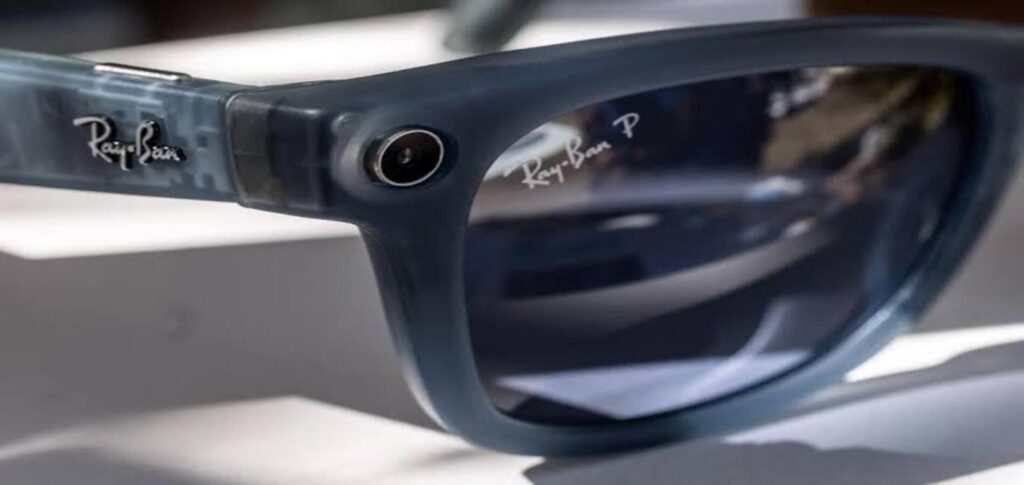
Meta’s Ray-Ban smart glasses have become one of the most visible products in the emerging market.
The glasses combine familiar eyewear designs from EssilorLuxottica with Meta’s artificial intelligence technology. Users can take photos, record video and interact with AI through voice commands.
However, their cameras have also attracted criticism.
Privacy advocates worry that people nearby may not realize when a user records them. Some venues have responded by restricting the glasses.
Several UK venues have introduced limits on their use. Wetherspoon, one of the country’s largest pub chains, has also restricted the devices.
Meanwhile, legal challenges have added to the pressure on Meta and its partners.
Companies Search for Safer AI Devices
Because of these concerns, technology companies are exploring different designs.
Some manufacturers are developing camera-free glasses. Others are working on devices that require users to activate recording manually.
Samsung plans to enter the smart-glasses market through partnerships with Gentle Monster and Warby Parker. However, the company does not present the glasses as replacements for smartphones.
Samsung mobile division executive vice president Jay Kim told Reuters that successful AI devices will need to feel natural, useful and trustworthy.
He also said users will expect strong security controls as AI takes on more tasks.
OpenAI Pushes Local AI Processing
OpenAI CEO Sam Altman has also discussed the future of always-on AI devices.
Altman has described a device that could understand its user’s surroundings and decide when to provide assistance. However, he has also highlighted the privacy problems that come with constant monitoring.
For that reason, he has argued that future devices should process more information locally instead of sending everything to cloud servers.
Local processing could reduce some privacy risks. However, companies still face challenges involving storage, security and the amount of information these devices collect.
Lawsuit Raises Questions Over Recordings
Privacy concerns have also reached the courts.
Attorney Ryan Clarkson represents consumers in a lawsuit against Meta and Luxottica of America. The case alleges that privacy claims surrounding the smart glasses misled consumers.
According to the allegations, recordings captured by the glasses included highly private moments. The lawsuit claims that human reviewers later viewed and labeled some of that material.
Meta disputes the allegations and says it will contest the lawsuit.
The company also points to a privacy indicator on its glasses. A light appears when the camera records. Meta says the camera stops working if someone covers or tampers with that light.
Camera-Free Wearables Gain Attention
Meanwhile, some startups are building products without cameras.
Shenzhen-based Even Realities launched its camera-free G1 smart glasses in 2024. The company later introduced its G2 model.
Founder Will Wang told Reuters that many consumers now connect smart glasses with concerns about covert recording. He believes companies should strengthen privacy protections before adding cameras to more products.
Other startups are taking similar approaches with audio devices.
San Francisco-based Pocket makes a phone-mounted recorder that requires users to press a button before capturing conversations. The company says about 170,000 devices were in use eight months after launch.
Plaud also sells wearable AI recorders. Its products include features designed to make recording more visible to people nearby.
Privacy Could Shape the Wearable AI Market
The debate could ultimately determine how quickly AI wearables become mainstream.
The technology becomes more useful when it can collect information about its surroundings. Yet that same capability can create privacy problems for people who never agreed to recording.
IDC analyst Jitesh Ubrani compared the situation with earlier concerns about smartphone cameras and microphones.
He said society needs awareness and consent when people record others. However, he noted that concerns about consent do not necessarily mean people oppose recording technology itself.
Ultimately, companies face a difficult balance. They must make AI devices useful without making people feel watched.
If manufacturers can build stronger privacy controls and clearer consent systems, wearable AI could gain wider public acceptance. Otherwise, AI device privacy concerns could become one of the biggest barriers to the next generation of personal technology.
SEO Tags: AI device privacy, smart glasses, AI wearables, Meta Ray-Ban glasses, wearable AI, privacy concerns, artificial intelligence, Samsung smart glasses, OpenAI AI devices, tech privacy