

Gulf countries should not depend entirely on the United States or other international alliances to protect the region, Qatar’s foreign ministry spokesman said Monday.
He called for greater security self-sufficiency among Gulf states while stressing that partnerships with major powers remain important.
Speaking at the Hili Forum in Abu Dhabi, the spokesman said the Gulf still needs international support. However, he argued that foreign military forces and strategic alliances cannot provide enough protection on their own.
“We need to realise in the Gulf that having international forces in the region, having a strategic alliance with the United States, is very important, but is not enough,” he said.
Qatar calls for greater security self-sufficiency
The Qatari official said Gulf nations must develop stronger independent security capabilities.
“Self-sufficiency when it comes to security is the only way forward,” he said. “Yes, we need our partners. Yes, we need our allies. But we cannot depend on them alone for our security.”
His comments come as tensions continue to put Gulf security under intense pressure.
Qatar has played an important role in efforts to mediate between the United States and Iran. At the same time, the country has faced heavy Iranian attacks, including strikes affecting its energy infrastructure.
Qatar caught between US and Iran
Qatar has a particularly important position in the regional crisis. The gas-rich country hosts the largest US military base in the Middle East.
During the conflict, Iran has responded to US military operations by targeting American military facilities and energy sites across the region.
The attacks have highlighted the security risks facing Gulf countries that host foreign military forces or depend heavily on international alliances.
For Qatar, the situation has created a difficult balance. It maintains a close strategic relationship with Washington while also seeking to keep diplomatic channels open with Tehran.
Strait of Hormuz remains a major concern
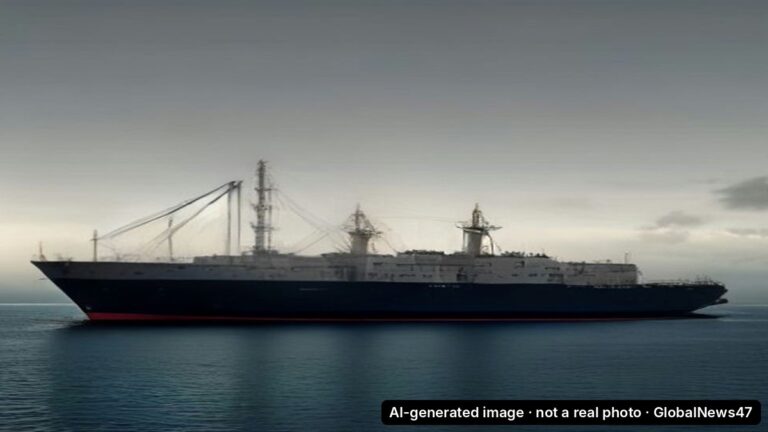
The conflict has also disrupted movement through the Strait of Hormuz. The narrow waterway is one of the world’s most important routes for global energy shipments.
After months of fighting, the United States and Iran remain locked in a tense standoff. Iran has disrupted traffic through the strategic strait, while the United States has pushed a counter-blockade around Iranian ports.
Any prolonged disruption could increase pressure on global energy markets and further raise concerns among Gulf states.
Qatar has continued its diplomatic efforts despite the growing tensions.
Last month, Prime Minister Sheikh Mohammed bin Abdulrahman Al Thani travelled to Tehran as part of Qatar’s mediation efforts.
Iran and Oman, which both border the Strait of Hormuz, have also discussed a temporary shipping corridor and efforts to clear mines from the waterway.
Qatar’s latest message reflects a growing concern among Gulf governments: international alliances remain essential, but regional countries also want greater control over their own security.