
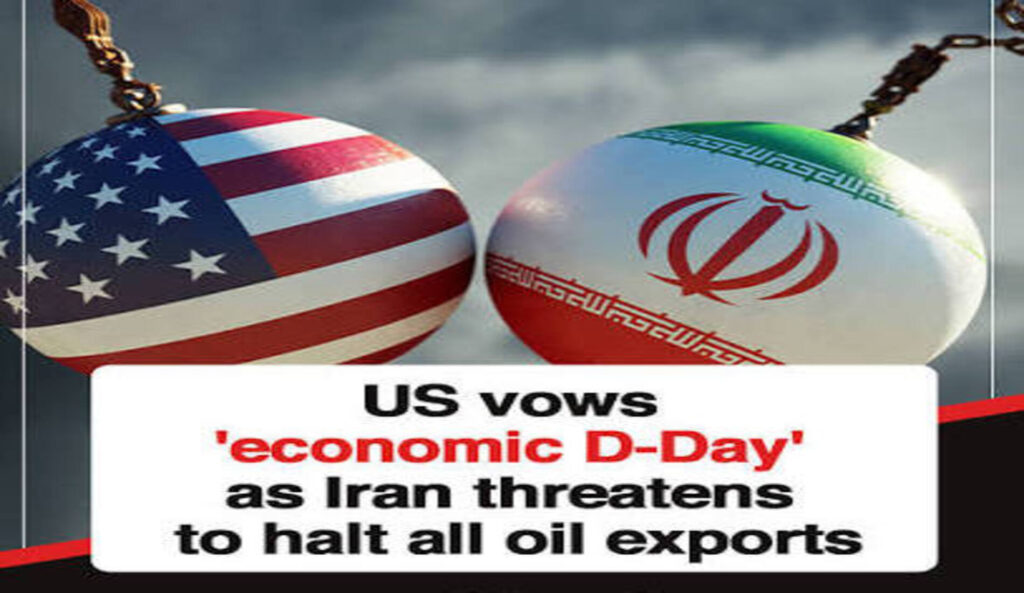
Iran Oil Exports Face New Threat
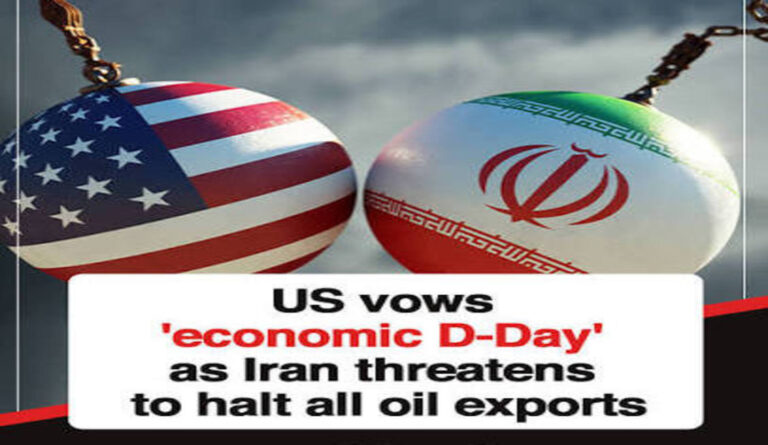
Iran has warned that it could halt all oil exports from the Gulf if the United States continues its economic campaign against Tehran.
The warning came as Washington prepared to announce what officials described as an unprecedented sanctions offensive.
US Treasury Secretary Scott Bessent is expected to outline the new measures on Monday.
The announcement could further increase pressure on Iran’s already weakened economy.
US Calls Sanctions an Economic D-Day
Bessent described the upcoming measures as an “economic D-Day.”
He said the United States was preparing its largest-ever financial offensive against an adversary.
The new sanctions will target countries and companies that continue doing business with Iran.
Bessent also warned nations that support Iran’s economy to consider the consequences.
The US Treasury secretary did not provide specific details about the measures.
Iran Threatens to Stop Gulf Oil Shipments
Iranian officials have responded with strong warnings.
Mohsen Rezaei, secretary of Iran’s Supreme National Security Council, said Tehran could stop all oil exports if the economic conflict continues.
He warned that Iran could block exports through the Strait of Hormuz.
He also mentioned other routes across the Persian Gulf.
Rezaei further warned that Iran could treat countries supporting US economic measures as participants in an act of war.
Strait of Hormuz Remains Critical
The threat has raised concerns about global energy supplies.
The Strait of Hormuz serves as one of the world’s most important oil shipping routes.
Iran has previously threatened the waterway during periods of heightened tension.
The latest warning could put additional pressure on oil markets.
Any major disruption could also affect fuel prices around the world.
Shipping Through Hormuz Already Disrupted
The ongoing conflict has already affected shipping through the strategic waterway.
Iran has retained missile and drone capabilities despite attacks on its military infrastructure.
Those weapons could threaten commercial vessels and neighboring Gulf states.
The resulting uncertainty has contributed to major disruption in maritime traffic.
US Pressures Iran’s Trading Partners
Washington is also turning its attention toward countries that continue economic relations with Tehran.
Bessent specifically warned nations that engage with Iran’s financial system.
The United States wants those countries to reconsider their economic ties with Tehran.
The new sanctions could therefore affect companies and governments outside Iran.
That approach could increase the international economic pressure on the Iranian government.
China Calls for Diplomacy
China has emerged as an important part of the sanctions debate.
Bessent previously urged Beijing to cooperate with Washington.
China has historically obtained a significant share of its oil imports from the Gulf region.
However, China’s embassy in Washington rejected the use of sanctions and economic pressure as a solution.
A spokesperson said sanctions would not help resolve the crisis and called for diplomacy instead.
Iran’s Economy Already Under Pressure
Iran entered the latest crisis with an economy weakened by years of international sanctions.
The US and other countries have imposed restrictions on Iranian trade and financial activity since the Islamic Revolution in 1979.
Recent military strikes have added further economic damage.
Parts of Iran’s infrastructure have suffered destruction during the conflict.
The additional sanctions could therefore create even greater pressure on businesses and ordinary citizens.
Conflict Continues Without Meaningful Talks
The United States and Iran have avoided direct military exchanges for several weeks.
However, the two sides have not made significant progress toward ending the wider conflict.
Thousands of people have reportedly died since the US and Israel began military strikes on February 28.
Most of the reported deaths have occurred in Iran and Lebanon.
The conflict has also damaged Iran’s conventional military capabilities.
Global Markets Watch Iran’s Next Move
The future of Iran oil exports could become one of the biggest economic concerns if Tehran carries out its threat.
A major interruption in Gulf oil shipments could affect energy supplies far beyond the Middle East.
It could also push fuel prices higher and create new pressure on global markets.
For now, both Washington and Tehran appear ready to escalate their economic confrontation.
The next US sanctions announcement could determine how quickly the dispute moves toward another major crisis.