
Iran says it could reopen the Strait of Hormuz within seven days if the United States eases military pressure and lifts its blockade on Iranian ports, according to a senior Iranian official.
The proposal comes as tensions between Tehran and Washington remain high and diplomatic efforts intensify around the United Nations General Assembly in New York. The Iranian official said Tehran is prepared to revive negotiations if the US takes formal steps toward diplomacy.
The official said Iran wants Washington to publicly confirm that it seeks a diplomatic solution. The two sides could then agree on a timetable for further negotiations.
Iran Seeks Return to Diplomacy
Iranian officials say their delegation at the UN General Assembly has full authority to restart diplomatic discussions with the United States.
The senior official said Tehran had already sent its proposal to Washington through mediators on September 16. The plan would allow discussions on an agreement aimed at ending hostilities between the two countries.
“The UN General Assembly is a golden opportunity for the US to return to diplomacy,” the official said, according to Reuters.
Iranian officials have also said they would welcome renewed talks if Washington takes what Tehran considers tangible steps toward negotiations.
Pezeshkian Heads to New York
Iranian President Masoud Pezeshkian left Tehran for New York on Tuesday to attend the UN General Assembly.
However, the Iranian official said Pezeshkian does not plan to meet US President Donald Trump at the UN headquarters.
Instead, Tehran expects discussions to take place through mediators. The Iranian side says those talks could focus on ending the conflict and establishing a framework for future negotiations.
The development comes after Iran’s military central command warned that renewed US military operations could trigger a strong response.
On Sunday, the command said it had been informed that Washington was preparing to resume military operations with support from regional countries. It warned that any new attack could lead to Iranian retaliation without restrictions.
Hormuz Remains Central to the Crisis
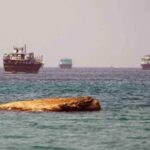
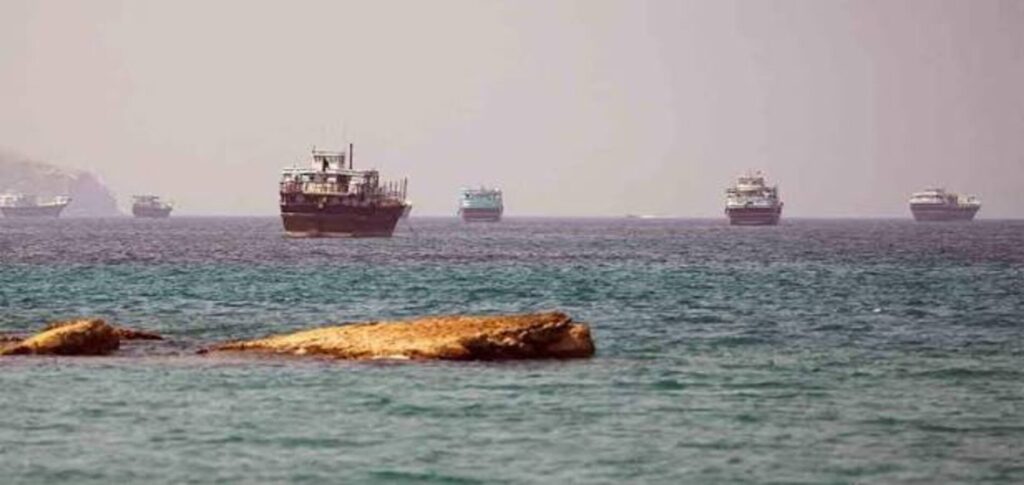
The Strait of Hormuz is a crucial route for global energy shipments. Any disruption there has immediate consequences for oil markets and countries that depend on Gulf energy supplies.
Iran’s latest proposal has already affected financial markets. Oil prices fell to a two-week low on Tuesday after reports that Tehran was willing to reopen the waterway within seven days if US military pressure eased.
However, the proposal has also faced conflicting signals. Iran’s semi-official Fars News Agency later denied reports that Tehran had offered to reopen the strait in exchange for the lifting of the US blockade, calling those reports invalid and untrue.
That means the reported proposal has not yet produced a confirmed agreement between Washington and Tehran.
For now, the UN General Assembly provides a potential venue for indirect diplomacy. Whether that opportunity leads to negotiations will depend on the steps taken by both sides.