
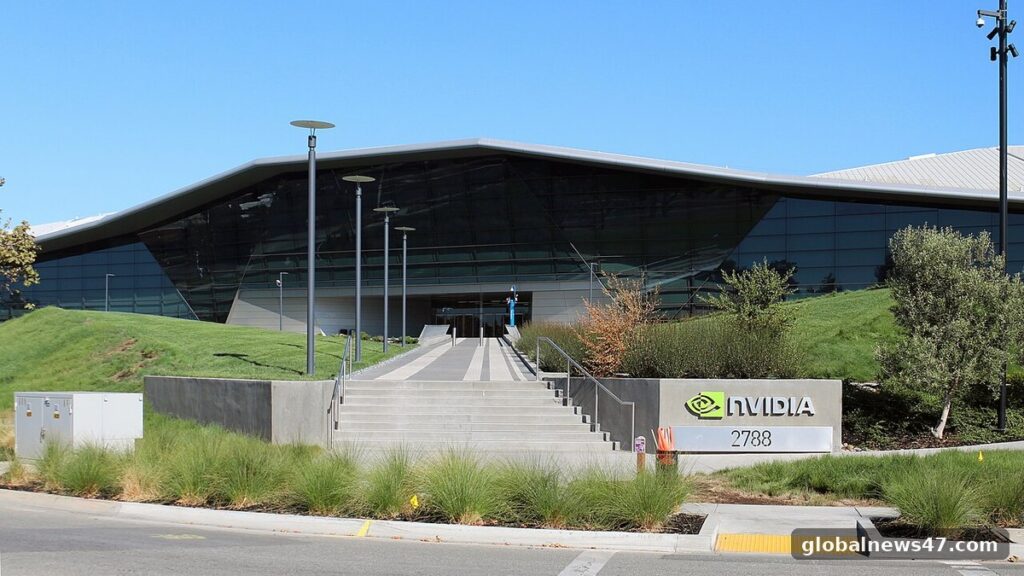
Jensen Huang has been reinstated as chief executive of Nvidia, less than two weeks after he resigned. The chipmaker’s board announced on Monday, 23 November 2026, that Huang was returning as president, CEO and a board director. Nvidia’s shares jumped about 31% on the news, adding almost $1 trillion to its market value, the BBC reported.
The decision is one of the most dramatic reversals in recent corporate history. It also came after open pressure from US President Donald Trump, who said he “made the deal” with the board.
Why Jensen Huang reinstated: the board’s case
Huang resigned on 12 November after reports that he had an affair with Alice Huang, a former executive at Nvidia customer Megaspeed. US authorities suspect her of being a Chinese spy. China has called the spy claims “groundless”. The two are not related.
In its statement, Nvidia’s board said Huang was “the right person to lead NVIDIA”. Board chair Harvey C. Jones said the move served the interests of shareholders, staff, partners and customers. Jones will stay on as chair.
Huang said he was “honored to return” and would take on the job “with the greatest humility and renewed commitment”. He also thanked Colette Kress, the finance chief who served as interim CEO.
Importantly, the board said its independent inquiry into claims that foreign intelligence targeted Huang will run to completion. Huang supports that probe, the company said.
A U-turn after a firm “no”
The reversal was sharp. Only last Tuesday, the board had said it did not plan to bring Huang back, even after he said he was open to returning, according to the BBC.
According to the BBC, the board said it had heard from top US officials and was satisfied that bringing Huang back did not threaten national security.
Trump confirmed his role in an interview with CNBC. He said the board wanted security assurances and the government gave them. “It’s a threat to lose him,” he added.
Backlash in Washington
However, the move drew strong criticism. Hakeem Jeffries, the Democrat expected to lead the House from January, described the move as “indefensible, irresponsible and incomprehensible”.
Some Republicans also want answers. Republican Senator Tom Cotton warned on X that the affair was far from resolved.
Questions have also been raised about Trump’s own holdings. A BBC review of his financial disclosures found he bought Nvidia shares worth between $23 million and $86 million over two years. The White House says Trump’s businesses sit in a trust managed by his sons. It also rejects claims that he profits from the presidency.
Megaspeed and Alibaba unit blacklisted
On the same day, the US Commerce Department added Megaspeed International to its Entity List. The listing means US exporters now need a licence to sell to the Singapore-based firm, and approval is likely to be denied, Reuters reported.
Commerce also added Apex Enterprise Solutions, an Alibaba subsidiary in Singapore, and five other Megaspeed-linked companies. Alibaba said the listing was “erroneous” because Apex “has never diverted advanced computing chips”. It said it would pursue legal options.
Megaspeed has said it runs a lawful business and complies with US export controls. It also said Alice Huang left the company in August 2025. Meanwhile, Singapore’s Prime Minister Lawrence Wong said his country would continue its own investigation.
Tighter controls on chips for China
The saga sits inside a larger fight over AI chips. Nvidia recently set up a board committee on national security and export control. It is also hiring a new chief compliance officer, according to its statement.
Beyond that, US officials are tightening rules to stop Chinese firms from using advanced chips through overseas data centres, the BBC reported. These steps come as Washington and Beijing seek a trade deal before another expected Trump-Xi meeting in December.
For background on how the crisis began, see our earlier reports on the board’s investigation and Huang’s resignation.
What happens next
Huang’s toughest tests are still ahead. He is due to sit for a closed-door interview with three House committees on 1 December. Two days later, the Senate banking committee has asked him to give evidence.
Nvidia also faces other pressure. Reuters has reported an SEC inquiry into the company’s accounting, and a shareholder class action is under way in California. Consequently, Huang’s return ends one chapter of the story, but not the scrutiny.
Sources & References
- NVIDIA Newsroom: NVIDIA Board Reinstates Jensen Huang as President, CEO and Board Director (23 Nov 2026)
- BBC News: Trump faces backlash after saying he ‘convinced’ Nvidia to reinstate CEO Jensen Huang (24 Nov 2026)
- Reuters via The Express Tribune: US blacklists Alibaba subsidiary and Megaspeed linked to Nvidia scandal (24 Nov 2026)
- BBC News: What Jensen Huang’s return teaches China’s Xi about Trump (24 Nov 2026)
- Democracy Now!: Headlines for November 24, 2026 (SEC inquiry and class action, citing Reuters)