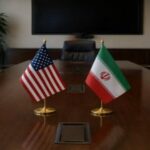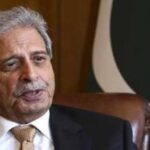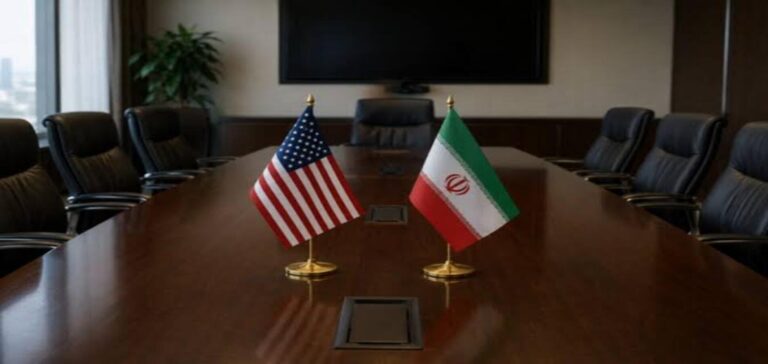

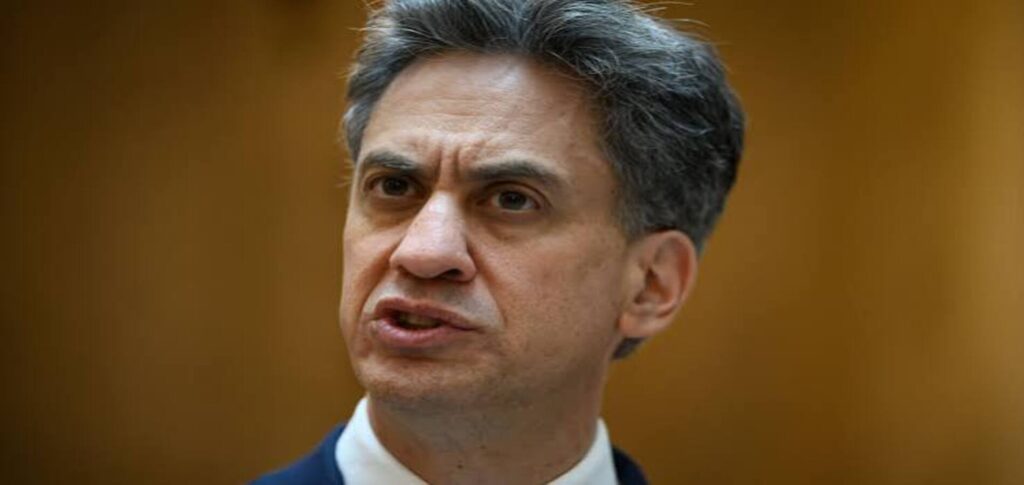
Foreign Secretary Ed Miliband issued a Miliband Iran warning during a face-to-face meeting with Iranian Foreign Minister Abbas Araghchi at the United Nations General Assembly in New York.
Miliband told Araghchi that Britain would not tolerate “intimidation, threats or hostile activity” on UK soil. The Foreign Office said he specifically raised concerns about threats linked to Iran and attacks targeting the British Jewish community.
The meeting came as tensions between Iran, the United States and several regional countries remained high. However, the talks also kept a diplomatic channel open between London and Tehran.
Iran’s state news agency IRNA said the two ministers discussed bilateral relations and international developments. Iranian officials did not immediately issue a detailed response to Miliband’s warning.
UK Raises Concerns Over Iran-Linked Groups
Miliband’s warning follows several security incidents involving Jewish communities in Britain.
The Foreign Office specifically referred to attacks on the British Jewish community. One major incident involved the March arson attack on four Hatzola ambulances in Golders Green.
British authorities initially kept an open mind about whether Iran or Iran-linked organisations played a role. However, the UK government later said intelligence pointed toward an Iranian-directed network in connection with attacks across Europe. The National Security (State Threats) Act factsheet also says members of Iran’s IRGC Qods Force directed the Islamic Movement of Companions of the Right, which the government links to attacks in Europe.
Those assessments remain allegations by British authorities. They should not be treated as court-established findings in every individual case.
Miliband Pushes for Diplomacy and Hormuz Reopening
Meanwhile, Miliband used the meeting to discuss the wider Middle East conflict.
According to the Foreign Office readout, he urged Iran to choose de-escalation and diplomacy rather than prolonging the war. He also stressed the need to restore freedom of navigation and fully reopen the Strait of Hormuz.
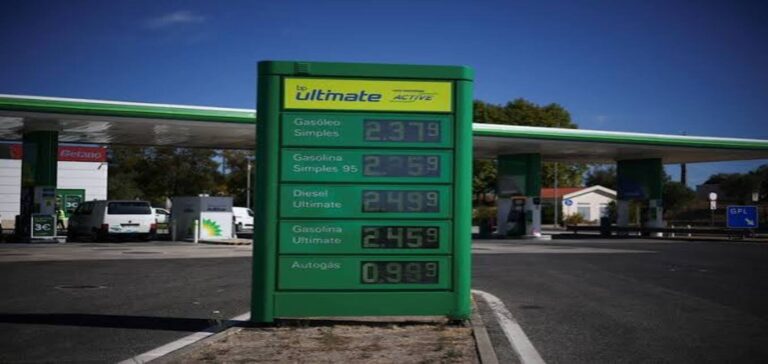
The waterway has become a major issue in the conflict because disruptions can affect energy shipments, shipping costs and the wider global economy.
Recent reporting also shows that the United States and Iran continue to face significant disagreements over the conditions for ending the conflict and reopening the strait.
British Couple’s Detention Raised in Talks
Miliband also raised the detention of Craig and Lindsay Foreman, a British couple from East Sussex.
The couple were arrested in Iran while travelling through the country on a motorcycle journey. They later received 10-year prison sentences on espionage charges, which they deny. Miliband repeated the UK’s call for their immediate release and stressed that their welfare remains a government priority.
The detention has added another difficult issue to already strained UK-Iran relations.
UK-Iran Relations Face Wider Security Pressure
The latest Miliband Iran warning reflects a broader British effort to address what the government describes as hostile activity linked to Iran.
UK sanctions guidance states that Britain uses sanctions to deter the Iranian government and Iran-backed armed groups from conducting hostile activity against the UK or other countries.
At the same time, London continues to support diplomatic efforts to reduce regional tensions.
The meeting in New York therefore combined a firm security message with a call for diplomacy. Britain wants Iran to help reduce the wider conflict and restore freedom of navigation through Hormuz. At the same time, Miliband made clear that the UK will respond to threats that it believes cross onto British soil.
The talks did not produce an immediate public response from Araghchi. As a result, the next steps will depend on how both governments handle the wider conflict, the Strait of Hormuz and security concerns inside Britain.