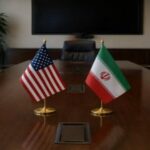

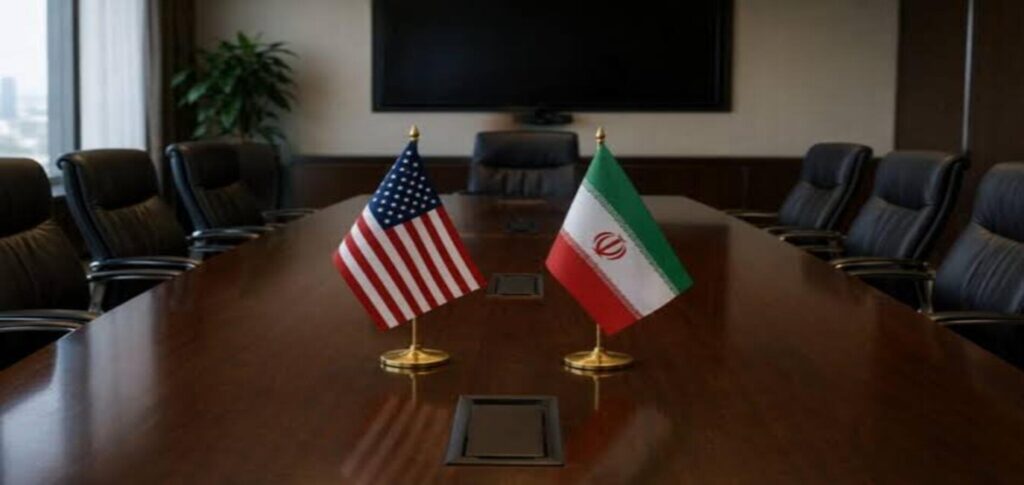
The US Iran phased deal under discussion in New York could reopen the Strait of Hormuz and ease the economic pressure on Tehran.
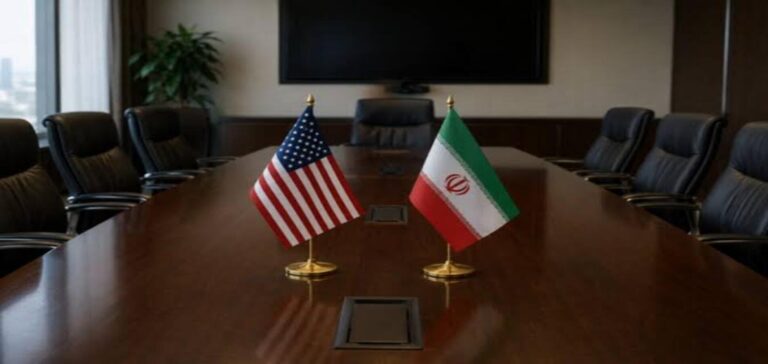
US and Iranian negotiators are exploring a possible step-by-step arrangement, according to sources familiar with the talks.
Under the proposal, Iran would allow navigation through the strategic waterway while the United States would ease or lift economic restrictions on Iran. Tehran could also seek access to frozen assets.
The talks are taking place alongside the United Nations General Assembly in New York.
US Iran Phased Deal Faces Major Obstacles
The proposed arrangement faces a central problem.
Neither Washington nor Tehran wants to give up its main source of leverage before securing concessions from the other side.
Iran controls access around the Strait of Hormuz, a crucial route for global energy shipments. Meanwhile, the United States has imposed extensive economic pressure on Iran.
A senior Iranian official told Reuters that a phased approach could provide a way forward.
The first step, according to the official, would involve ending the blockade and reopening Hormuz.
Iran Offers Seven-Day Hormuz Proposal
Iranian Foreign Minister Abbas Araghchi has separately outlined a proposal that could reopen the strait within seven days if Washington accepts Tehran’s conditions.
The proposal reportedly includes lifting the US naval blockade, easing restrictions on Iranian oil sales and maintaining a ceasefire that includes Lebanon.
Iran would then resume negotiations over its nuclear programme.
Araghchi said the plan had been communicated to Washington through mediators.
The proposal adds another possible route toward reducing the confrontation, although major differences remain.
Washington Seeks Freedom of Navigation
For the United States, reopening Hormuz remains a central objective.
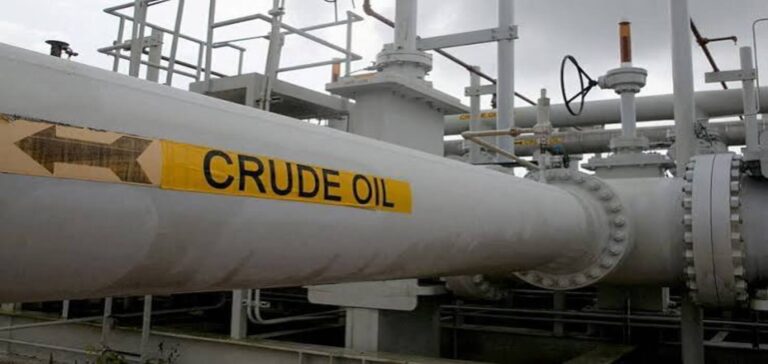
The waterway is one of the world’s most important energy routes. Its disruption has affected oil markets and increased concerns about fuel supplies.
US officials have continued to say Washington is willing to consider talks under certain conditions.
However, the Trump administration has also maintained pressure on Tehran through sanctions and other economic measures.
A White House official said President Donald Trump believes the United States remains in a strong negotiating position.
Iran Seeks Economic Relief
Iran, meanwhile, wants relief from the economic restrictions imposed by Washington.
The prolonged confrontation has placed additional pressure on the Iranian economy and oil exports.
Iranian officials have argued that removing the blockade should form part of any diplomatic arrangement.
Regional sources told Reuters that Tehran may be willing to postpone its demand for transit fees through Hormuz if that helps secure an agreement. However, they said Iran still wants to preserve its administrative role over the waterway.
Gulf States Seek a Wider De-Escalation
Gulf countries are also closely watching the negotiations.
Regional leaders have expressed opposition to any arrangement that would allow Iran to use Hormuz as a long-term tool of pressure.
At the same time, Gulf governments have pushed for diplomacy and a reduction in hostilities.
The region has a major economic interest in keeping maritime trade and energy shipments moving safely.
US Iran Talks Remain Uncertain
The latest discussions do not guarantee an agreement.
Reuters reported earlier this week that Washington and Tehran remained far apart on several issues, despite continuing diplomatic efforts.
The two sides must still resolve disagreements over sanctions, navigation, Iran’s nuclear programme and the wider conflict.
The timing also matters because US midterm elections are scheduled for November 3.
President Trump has previously said he believes a deal could come after the elections, while Iranian officials have indicated that an earlier agreement remains possible.
Hormuz Remains at the Center of Negotiations
The Strait of Hormuz has become the key issue connecting the economic and security demands of both sides.
Washington wants reliable freedom of navigation.
Tehran wants economic pressure reduced before making major concessions.
The US Iran phased deal therefore depends on whether negotiators can turn those competing demands into steps that both governments consider acceptable.
For now, the talks remain active, but the sources cited by Reuters indicate that significant obstacles remain before any final agreement can be reached.