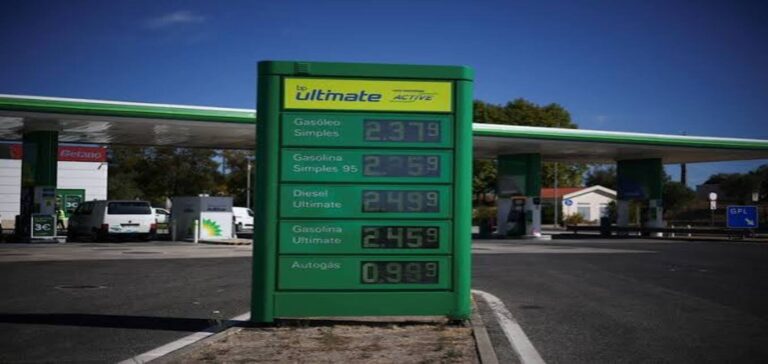

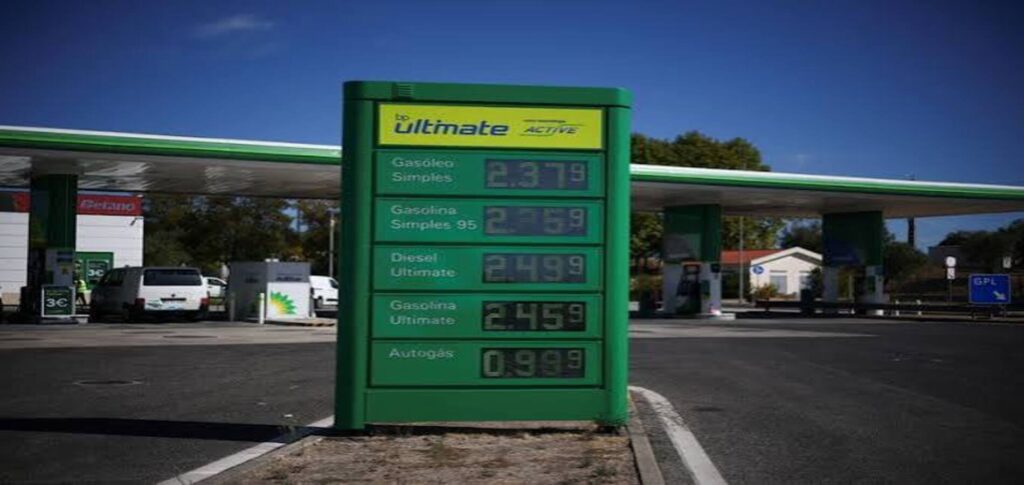
Portugal fuel protests intensified on Friday as hundreds of truckers joined a slow-moving convoy in north-central Portugal while commuters used car horns to protest rising fuel costs in Lisbon.
The truckers organized a roughly 150-kilometer convoy along the A1 motorway, traveling from Paredes in the north toward Coimbra. The protesters want the government to extend fuel-tax relief measures to freight and passenger transport operators.
Truckers Stage Slow-Go Protest on A1
Hundreds of trucks moved slowly along the motorway as drivers called for additional support against rising operating costs.
The convoy highlighted the growing pressure on Portugal’s transport industry. Fuel represents a major expense for trucking companies, particularly when diesel prices rise sharply.
The protesters also called for access to partial refunds of the petroleum-products tax. Freight and passenger transport companies already receive certain forms of fuel-tax support.
A truck at the front of the convoy carried a message saying, “Today, the trucks are stopping — but their importance isn’t.”
The demonstration came as fuel prices across Europe remained elevated. Eurostat reported that fuel and lubricant prices in the European Union rose 23.8% year-on-year in August 2026. Diesel prices also increased 8.3% between July and August.
Portuguese Minister Promises Talks
Infrastructure and Housing Minister Miguel Pinto Luz acknowledged the concerns raised by truck drivers.
He said the transport sector had been overlooked in some of the measures introduced to reduce the impact of higher fuel costs. The minister also promised to examine the industry’s proposals.
Pinto Luz scheduled a meeting with representatives of the protest movement for the following Monday. The talks could determine whether the government introduces additional assistance for professional drivers.
Meanwhile, the protests have placed fresh pressure on officials to address the wider impact of expensive fuel.
Lisbon Commuters Sound Their Horns
The protests also reached Lisbon, where commuters used their vehicles to stage a morning demonstration on the April 25 Bridge.
The bridge connects central Lisbon with heavily populated communities on the southern bank of the Tagus River. Many people use it daily to travel into the capital for work.
Commuters began honking their horns at around 8 a.m. local time. They demanded several measures to reduce the financial pressure on drivers.
According to Aristides Teixeira, spokesperson for the Ponte 25 de Abril Users’ Association, protesters want the government to restore remote-working measures and suspend toll payments.
They also called for the government to suspend the 23% value-added tax on fuel.
Protesters Demand Action on Fuel Costs
The commuter group also called for the resignation of Environment Minister Maria Graça Carvalho.
The demand followed comments in which Carvalho suggested that people could drive more slowly to reduce fuel consumption.
Protesters viewed the suggestion as inadequate while households and businesses face higher transport expenses.
At the same time, the wider European fuel market has remained volatile. Eurostat recorded annual increases in fuel and lubricant prices across most EU countries in August. The agency said prices rose in 26 of the bloc’s 27 member states compared with August 2025.
Portugal’s transport sector now faces pressure from both higher fuel expenses and broader operating costs. For truckers, those increases can affect freight charges and ultimately the prices consumers pay for goods.
Fuel Costs Put Pressure on Government
The protests show how rising energy costs can quickly become a wider political and economic issue.
For truck drivers, expensive diesel directly increases the cost of moving goods. For commuters, higher fuel prices raise the daily cost of traveling to work.
However, the government must balance short-term relief with longer-term energy and transport policies. European Commission analysis has also highlighted Portugal’s existing diesel tax reductions and exemptions for freight and public transport while discussing the country’s wider fossil-fuel policy.
The planned meeting between government officials and transport representatives could therefore become an important test of Portugal’s response to the fuel-price crisis.
For now, truckers and commuters are demanding immediate relief as fuel costs continue to weigh on households, businesses and the wider economy.