

The Saudi pipeline attack has added fresh pressure to global oil markets, raising concerns that diesel prices could climb further across Europe.
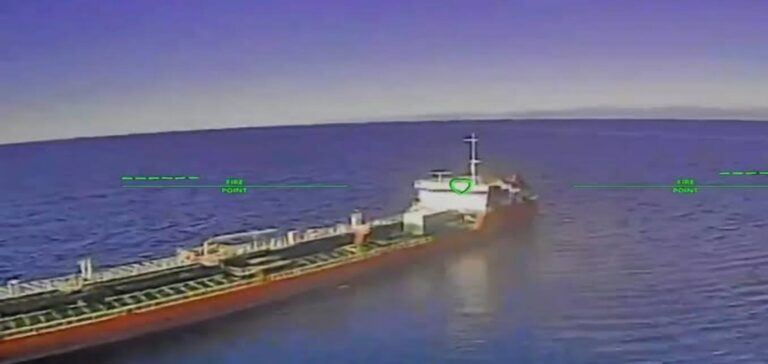
Saudi Arabia temporarily shut its 1,200-kilometre East-West oil pipeline after a drone attack. The pipeline has become particularly important because it allows Saudi crude to bypass the Strait of Hormuz, where shipping has faced major disruption.
The shutdown has increased concerns about oil supplies to Europe and Asia. However, the European Commission says the EU currently has no immediate oil supply shortage, with demand being covered by European refineries and alternative supplies.
Saudi Pipeline Attack Threatens Oil Flows
The East-West pipeline normally carries crude from eastern Saudi Arabia to Yanbu on the Red Sea.
That route allows Saudi oil to reach international markets without passing through the Strait of Hormuz.
The pipeline has recently carried between 4 million and 5 million barrels of oil per day, making the disruption significant for global energy markets. A prolonged shutdown could put a substantial share of global supply at risk.
At the same time, Saudi Arabia has been using stored crude to maintain some exports while repairs continue.
Europe Faces Higher Diesel Costs
The disruption comes as European diesel markets are already under pressure.
S&P Global reported that physical European diesel prices reached record levels in mid-September as several supply problems hit the market at the same time.
The situation could become more difficult if Saudi export disruptions continue.
Moreover, European refiners are competing for available supplies while global inventories remain under pressure.
As a result, consumers could face higher fuel costs even if Europe avoids an immediate physical shortage.
France Moves to Protect Consumers
French President Emmanuel Macron has called for action to limit the impact of higher energy prices.
France is also working to secure alternative oil supplies while supporting efforts to protect shipping through the Strait of Hormuz.
The government faces pressure because higher fuel costs can quickly affect household budgets, transport and businesses.
Therefore, energy security has become an increasingly important part of France’s response to the regional crisis.
Italy Announces Car Tax Changes
Italy has also announced measures aimed at easing pressure on motorists.
Prime Minister Giorgia Meloni said the government would abolish a stamp duty affecting small and medium-powered vehicles.
She presented the measure as a longer-term change designed to help people who rely on cars and motorcycles for work and daily travel.
Meanwhile, Italy has called for greater flexibility in European fiscal rules as governments respond to the energy crisis.
Spain Expands Diesel Relief
Spain has already increased support for diesel users.
The government doubled its diesel tax reduction to 20 cents per litre from September 1 after diesel prices jumped sharply.
Officials are also assessing the wider economic impact of the conflict, including its effect on businesses and households.
Consequently, Spain has joined other European countries in trying to reduce the immediate burden of higher fuel costs.
Germany Prepares New Measures
Germany is also preparing measures to limit the impact of high fuel prices.
Chancellor Friedrich Merz has said Berlin will present steps to ease the pressure on consumers.
However, Germany has limited control over international oil prices because it depends heavily on imported energy.
That leaves the government balancing domestic support measures with the wider risks created by global energy disruptions.
EU Says There Is No Immediate Fuel Shortage
Despite the sharp increase in prices, the European Commission says Europe is not currently facing an oil security emergency.
The Commission says European demand for diesel and jet fuel continues to be met through higher refinery production and alternative supplies from global markets.
Commercial and emergency stocks also remain available.
However, officials warn that continued instability in the Middle East and stronger seasonal demand during autumn and winter could tighten the market further.
Saudi Repairs Could Ease Pressure
The outlook could improve if Saudi Arabia restores the damaged pipeline quickly.
Saudi officials have been working to repair the infrastructure, while traders continue to monitor how much oil can move through alternative routes.
Recent market movements suggest that concerns about the duration of the disruption have eased somewhat. Reuters reported that Saudi efforts to maintain shipments through alternative loading arrangements helped push crude prices lower on Thursday.
Nevertheless, diesel markets remain particularly tight.
Europe Debates Windfall Taxes
Higher energy prices have also revived calls for windfall taxes on energy companies.
Several European governments and lawmakers have discussed using additional taxes on energy-sector profits to help households deal with rising costs.
Germany, Spain, Portugal, Italy, Poland and Austria have previously backed discussions on an EU-wide windfall-profit mechanism.
Supporters argue that additional revenue could help finance measures for households facing higher electricity and fuel bills.
Diesel Prices Remain a Major Concern
The Saudi pipeline attack has added another layer of uncertainty to an already fragile energy market.
Europe currently has access to enough diesel to meet demand, according to the European Commission. However, the cost of obtaining that fuel has risen sharply, creating pressure for motorists, businesses and governments.
For European leaders, the immediate challenge is therefore not simply finding fuel. It is limiting the economic impact of increasingly expensive energy while protecting supplies during a period of intense geopolitical uncertainty.