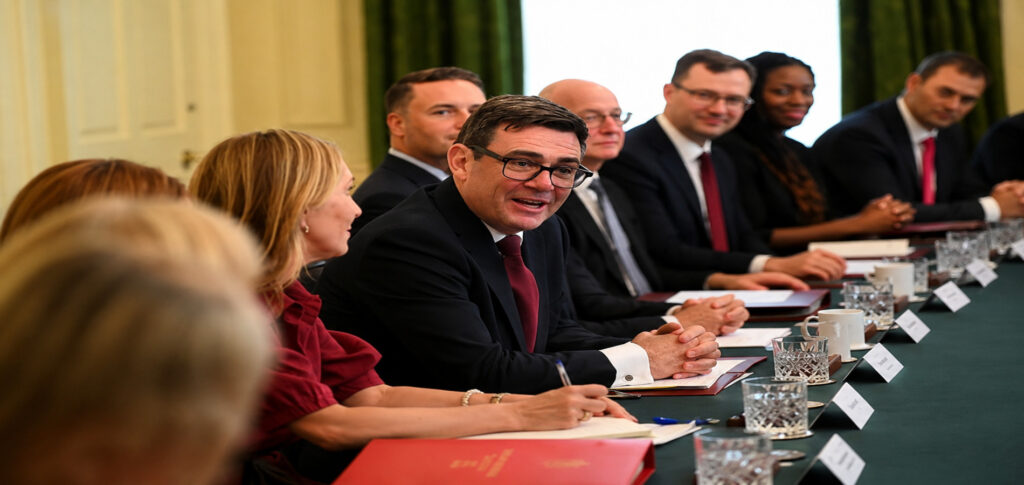
The UK electricity bill cut is set to take effect on 1 October, just days after Prime Minister Andy Burnham entered Downing Street. The government says the measure will provide immediate financial relief for households facing continued cost-of-living pressures.
Under the plan, VAT will be removed from domestic electricity bills. Officials estimate that the change could save the average household around £45 a year.
Although the saving is relatively modest, Burnham said the government wanted to act quickly to help families manage rising household expenses.
UK Electricity Bill Cut Begins in October
Burnham has made reducing household costs one of his government’s early priorities.
The prime minister said families should not have to wait for long-term economic reforms before receiving support. As a result, ministers have brought forward the electricity tax reduction during the government’s first days in office.
Officials are expected to introduce further measures aimed at easing pressure on household budgets.
Government Plans to Fund Electricity Tax Cut
The government says it will fund the measure by cancelling a proposed £1.8 billion digital identity programme.
Ministers argue that redirecting money from the programme will provide sufficient funding for the removal of VAT from domestic electricity bills.
Burnham said the decision would allow the government to support households while maintaining control over public finances.
However, opposition parties have questioned whether the savings will fully cover the cost of the policy. They have also demanded greater detail about how the government intends to fund its wider spending commitments.
Energy Prices Remain a Major Challenge
Removing VAT could reduce household bills, but economists warn that it will not eliminate the wider pressures affecting the UK’s energy market.
Global gas prices remain vulnerable to geopolitical instability, particularly because of continuing tensions in the Middle East.
Higher wholesale energy costs could therefore push the UK’s energy price cap higher later in the year. If that happens, some of the savings from the VAT reduction could be offset by rising underlying energy costs.
Burnham Promises Further Cost-of-Living Measures
Burnham has told ministers that reducing the cost of living will remain a central government priority.
Meanwhile, Finance Minister John Healey has instructed government departments to maintain strict control over spending. Ministers have been told that new policies must be supported by responsible financial planning.
The government is also preparing a broader economic strategy that is expected to address public finances, household costs and long-term economic growth.
What the Electricity Bill Cut Means for Households
The UK electricity bill cut will provide an estimated £45 annual saving for the average household from October.
However, the final impact on individual households will vary depending on electricity consumption and changes in wider energy prices.
The policy represents an early attempt by Burnham’s government to provide direct financial relief while pursuing broader economic reforms. Its longer-term success will depend partly on whether energy prices remain stable and whether ministers can maintain the funding needed for their wider commitments.