
A new Human Rights Watch report has revealed the difficult conditions facing US deportees in Haiti as the country struggles with widespread gang violence, poverty and hunger.
The report, released Monday, is based on interviews with 44 Haitian deportees who arrived in Cap-Haïtien after being removed from the United States. Researchers also spoke with Haitian and international officials.
Many of those interviewed had lived in the United States for years. Some said they had built careers and families there before being returned to Haiti.
Human Rights Watch said many deportees now face serious security and humanitarian risks after their return.
More Than 450 Haitians Deported From US
According to Haiti’s National Office for Migration, more than 450 people had been deported from the United States to Haiti since July.
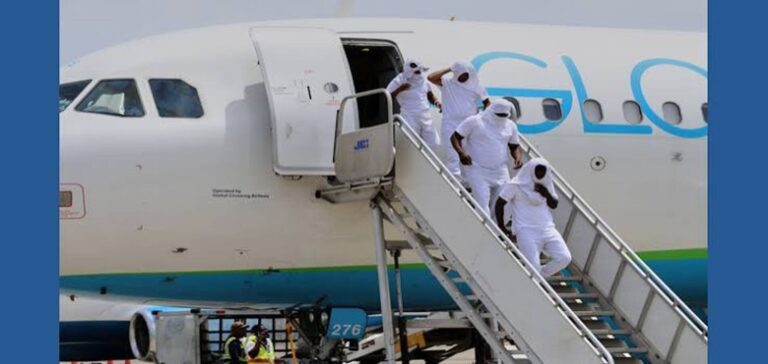
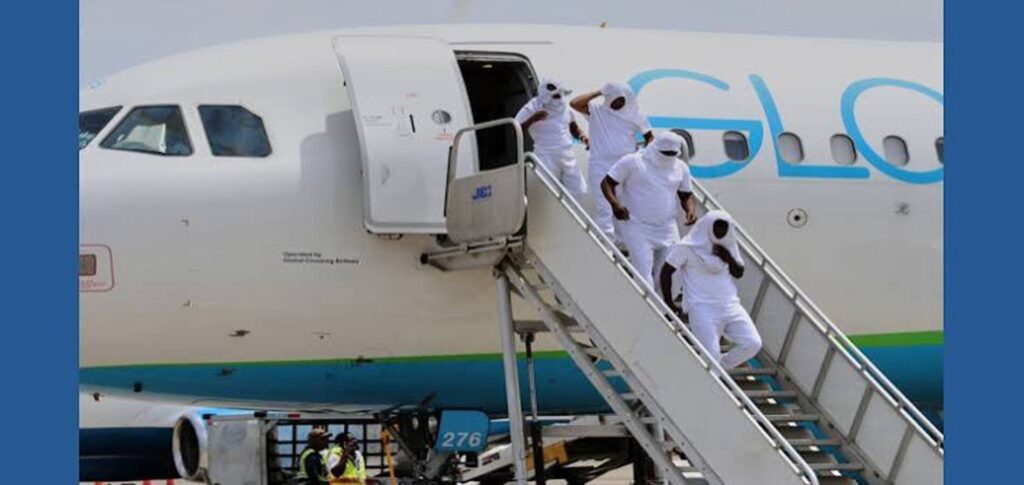
Human Rights Watch reported that five consecutive weekly flights arrived in Cap-Haïtien between August 20 and September 17, carrying a total of 474 people. Before the termination of Temporary Protected Status, the US generally operated about one deportation flight to Haiti each month.
Haitian officials also told researchers that US authorities planned to send as many as two flights each week, with each flight carrying around 200 people.
However, Haitian authorities said they lack enough staff, infrastructure and resources to safely receive deportees at that pace.
Why Deportation Flights Land in Cap-Haïtien
The US deportation flights are landing in Cap-Haïtien rather than Port-au-Prince because violence has made the capital’s airport unsafe.
Cap-Haïtien has also faced growing pressure as people flee violence elsewhere in Haiti.
Human Rights Watch said the city’s population has tripled amid the wider security and humanitarian crisis. The organization also reported that the city faces significant shortages in health care and food security.
As a result, the arrival of US deportees in Haiti is putting additional pressure on already limited local resources.
Deportees Describe Conditions in US Detention
Several deportees interviewed by Human Rights Watch described difficult conditions inside US immigration detention facilities.
Some said they went for hours without food or water. Others reported spending days without bathing or changing clothes.
Many also said authorities did not return belongings they had when they were detained. Those belongings included phones, money, identification documents, passports and other personal items.
One 31-year-old caregiver from Florida said his backpack contained his passport, Social Security card, driver’s license, bank card and phone. He said those belongings never arrived with him in Haiti.
Deportees Report Limited Access to Lawyers
The report also raised concerns about access to legal assistance during immigration proceedings.
Many interviewees said they could not contact their lawyers or appear before an immigration judge before their removal.
Some also said authorities did not clearly explain why they were being detained or provide enough information about their immigration cases.
Human Rights Watch said many interviewees had held Temporary Protected Status and had also sought asylum or another immigration status. However, the organization said it could not independently verify every person’s complete immigration history.
Families Separated After Deportations
For many US deportees in Haiti, returning to the country has also meant separation from close relatives.
Some interviewees left behind spouses and children in the United States, including children who are US citizens.
One 38-year-old man told Human Rights Watch that he had lived in Florida since 2019 and worked at the same hotel for nearly seven years.
His wife and 5-year-old son remained in Florida after his deportation.
The man said he had worked in the United States so his son could grow up away from the violence and uncertainty he experienced in Haiti.
Haiti Faces Worsening Violence and Hunger
The deportations are taking place as Haiti continues to experience a severe humanitarian crisis.
Human Rights Watch said at least 3,050 people were killed during the first six months of 2026. It also reported that nearly 1.5 million people are internally displaced because of violence.
Criminal groups have expanded beyond Port-au-Prince into rural areas of at least five of Haiti’s 10 departments. The violence has also contributed to widespread food insecurity.
More than half of Haiti’s population needs humanitarian assistance, according to the report.
Deportees Receive Limited Assistance
Upon arrival in Cap-Haïtien, deportees receive basic assistance from Haitian officials and humanitarian organizations.
They are given a meal, a drink and at least 10,000 Haitian gourdes, worth about $77.
However, the support does not continue for long.
After registration, many deportees must arrange their own accommodation and transportation. Some rely on relatives or money transfers from friends and family.
Others remain in Cap-Haïtien because they cannot safely or affordably travel to their hometowns.
Human Rights Watch Calls for Deportations to Stop
Human Rights Watch said the United States should immediately halt deportations to Haiti while conditions remain unsafe.
Nathalye Cotrino, a senior Americas researcher at Human Rights Watch, said the United States was returning some people with pending asylum claims to a country that lacked the capacity to protect them from violence or provide basic food and shelter.
The US government has not immediately responded to the allegations described in the report, according to the Associated Press.
Meanwhile, Haitian officials continue to face the difficult task of receiving more deportees while dealing with the country’s broader security and humanitarian emergency.
For US deportees in Haiti, the return marks the beginning of another uncertain period as they attempt to find shelter, reconnect with relatives and navigate a country facing deepening violence and poverty.