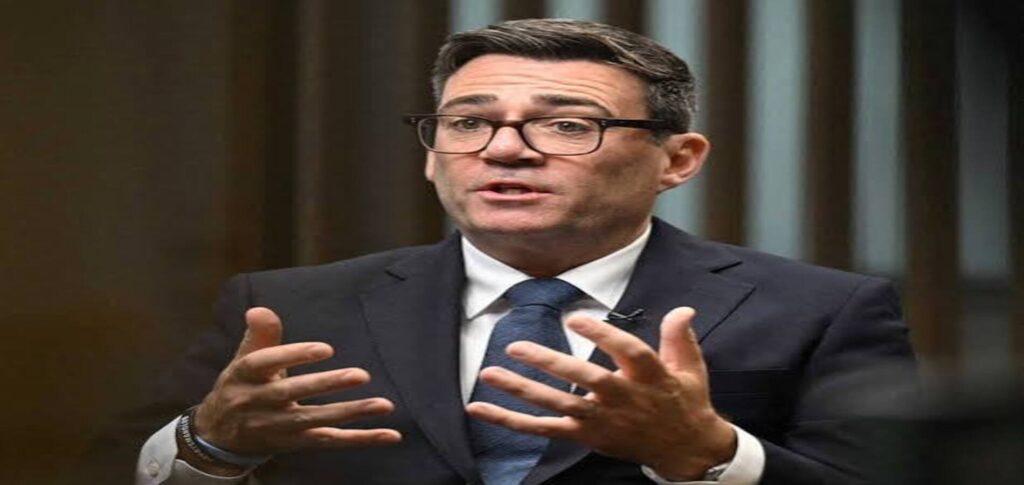
Social care reform has become a major priority for Prime Minister Andy Burnham, who has warned that England’s struggling care system is placing unsustainable pressure on the NHS.
In his first major interview since becoming prime minister, Burnham said he wants to deliver lasting improvements to adult social care before leaving office. However, he stopped short of promising that a completely new system would be established before the next general election.
NHS Under Growing Pressure
Burnham said hospitals are facing significant pressure because many patients remain in NHS beds after receiving treatment.
In numerous cases, patients cannot return home because appropriate social care packages are unavailable. Consequently, hospital beds remain occupied while other patients wait for treatment.
Burnham warned that the situation cannot continue indefinitely.
“If we don’t reform social care, the NHS will eventually collapse under the pressure of caring for people who should never have needed hospital treatment in the first place.”
Although he did not set a specific deadline, Burnham promised to make social care reform a major political priority.
Casey Review to Be Accelerated
The government also plans to accelerate the independent review of England’s adult social care system led by Baroness Louise Casey.
The review was originally expected to publish its recommendations in 2028. However, Burnham wants the work completed much earlier so the government can begin considering reforms sooner.
The review is examining the structure of adult social care, potential funding arrangements and ways to improve services across England.
Why Social Care Reform Matters
Unlike NHS treatment, adult social care is not universally free at the point of use.
People with assets and savings above the relevant financial thresholds may have to contribute substantially towards their care. As a result, long-term care can create significant financial pressure for individuals and families.
Supporters of reform argue that problems in social care can also affect the NHS. When people cannot access appropriate care at home or in residential settings, they may remain in hospital for longer than medically necessary.
Several previous proposals have included lifetime limits on care costs and the creation of a national care service.
Funding Debate Remains Difficult
The biggest challenge facing the government’s reform programme is likely to be funding.
Conservative leader Kemi Badenoch has opposed increasing taxes or borrowing to finance a new care system. She has argued that any reforms must also consider people who have spent their lives saving.
Liberal Democrat leader Sir Ed Davey has called for cross-party cooperation. He has argued that people should be able to receive good-quality care without being forced to sell their homes.
Reform UK has also criticised proposals for additional funding mechanisms, warning against what it described as a potential “universal death tax.”
The competing positions demonstrate how difficult it could be to achieve a long-term political agreement.
Welfare Changes Also Under Review
Burnham also discussed potential changes to the welfare system.
He said the government should provide greater support to people who want to return to employment. At the same time, he suggested that benefit recipients who are capable of working may need to accept suitable employment opportunities.
Burnham also argued that some younger people receiving benefits have been failed by existing support systems rather than lacking the motivation to work.
No Immediate Stamp Duty Changes
Burnham also rejected speculation that the government is preparing to abolish council tax or make major changes to stamp duty in the upcoming Budget.
He said there are currently no plans to alter stamp duty and indicated that the government intends to continue working within its existing election commitments.
A Long-Term Challenge for the Government
The social care reform agenda presents one of Burnham’s most difficult political challenges.
A successful programme could reduce pressure on hospitals, improve support for vulnerable adults and provide greater financial security for families. However, creating a sustainable system will require difficult decisions about funding, eligibility and the relationship between social care and the NHS.
The Casey review is expected to provide important evidence for those decisions. Burnham’s challenge will then be turning those recommendations into reforms that can secure both public support and long-term political agreement.
Burnham Ends Interview With Dog Joke
The interview ended on a lighter note when Burnham discussed his dog, Axel.
He joked that Axel would remain in northern England rather than move into Downing Street because the dog probably would not get along with Larry the Cat, the famous Downing Street feline.
Despite the light-hearted ending, Burnham’s warning about social care underlines the scale of the challenge facing the new government.