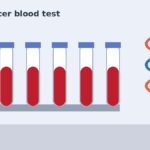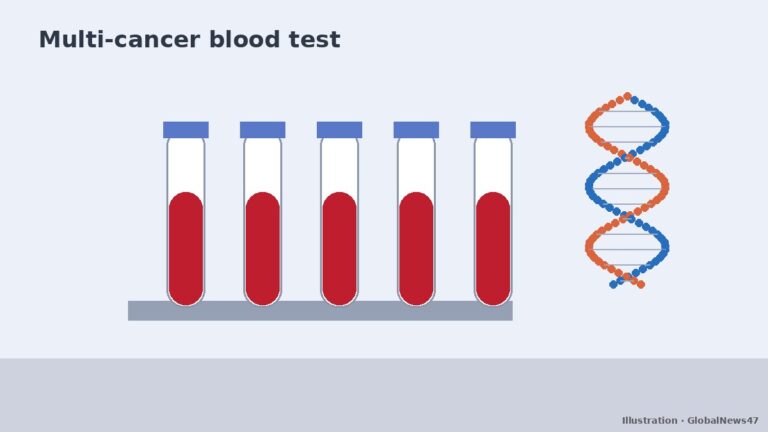
A multi-cancer blood test trial is starting at GP surgeries across England, and more than 20,000 patients will take part. The study will check whether simple blood tests can help doctors find abdominal cancers, such as pancreatic, ovarian and bowel cancer, much earlier.
The UK government announced the trial on Wednesday, November 4. It will run in at least 200 GP practices and receive up to £8.49 million in public funding.
The Office for Life Sciences is paying for the study through the National Institute for Health and Care Research. In addition, the government says it will cover inner-city, rural, seaside and deprived communities.
How the multi-cancer blood test trial will work
The University of Birmingham leads the trial, called STRIDE-RCT. It focuses on people aged 45 or older who see their GP about symptoms in the abdomen, for instance ongoing bloating, pain or discomfort.
Those who agree to take part will give one or two tubes of blood at their GP practice. This happens alongside their routine blood tests, so patients do not need an extra visit.
Scientists will then search the samples for proteins or DNA fragments that could point to cancer. Some of the tests use artificial intelligence. If a test finds signs of cancer, it may also suggest where in the body the tumour is.
The study covers a long list of cancers. These include bowel, stomach, oesophageal, pancreatic, liver, ovarian, kidney, bladder and prostate cancer, among others.
Why early diagnosis matters
Doctors often find abdominal cancers late. Their early symptoms, like bloating or mild pain, can easily look like less serious problems.
The numbers show what is at stake. Each year, doctors in England diagnose about 71,000 people with bowel, ovarian, liver, stomach or pancreatic cancer, according to the government. Almost 35,000 people die from these cancers each year.
Timing makes a huge difference. For example, roughly 90% of people whose bowel cancer is caught at stage 1 live for five years or more. At stage 4, the figure drops to about 10%.
“Detecting abdomen cancer early is notoriously difficult,” said Prof Peter Johnson, NHS England’s national clinical director for cancer. He said the trial would show whether blood tests can help GPs send the right patients for the right tests sooner.
Helping GPs decide who needs urgent checks
The tests are not meant to replace a doctor’s judgement. Instead, they should work alongside it.
At present, only 2% to 6% of urgent cancer referrals end in a cancer diagnosis, the government says. Better tools could therefore free up hospital appointments for patients with a real need.
Prof Aneel Bhangu, a co-chief investigator, said many patients reach him “after months of vague symptoms”. At the same time, he noted, the majority of urgent referrals turn out not to be cancer.
Michelle Mitchell of Cancer Research UK called the trial “an important step” in giving GPs better tools.
What the test cannot do
It is important to be clear about the limits. A positive result does not mean a person definitely has cancer. Likewise, a negative result cannot fully rule cancer out, the BBC noted.
There are also reasons for caution. A separate NHS trial of another test, Galleri, recently missed its main target of reducing late-stage cancer diagnoses. Researchers are still studying its other possible benefits.
That is why this trial matters. Health Secretary Yvette Cooper said it would “establish whether simple blood tests can help GPs” find patients needing urgent support much sooner. Only after the results will the NHS decide on a wider rollout.
What patients should know
The trial is only for invited patients at participating GP surgeries in England. It is not a general screening service, and it is not available on request.
Anyone with lasting abdominal symptoms, such as bloating, pain or changes in bowel habits, should speak to a doctor. This applies in Pakistan and elsewhere, whatever local tests are available. This article is for general information and is not medical advice.
Related on Global News 47: Gotistobart Lung Cancer: Trial Shows Survival Benefit · US Cancer Drug Shortages Hit Hospitals Nationwide
Sources & References
- GOV.UK (Department of Health and Social Care): New NHS blood test trial to help spot cancers earlier
- BBC News: ‘Multi-cancer’ blood tests coming to some GP surgeries in England
- University of Birmingham: STRIDE-RCT: A cluster platform trial of blood-based Multi-Cancer Detection tests in the NHS