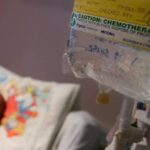


U.S. cancer centers are facing shortages of critical medicines, putting added pressure on hospitals and oncology teams.
A recent survey from the National Comprehensive Cancer Network (NCCN) highlights the scale of the problem. The group surveyed pharmacy directors and other clinical and administrative leaders at its 34 member institutions in late August.
Of the 31 centers that responded, every institution reported at least one shortage of an anti-cancer drug.
More than 20% said they currently lacked five or more different medications.
Ifosfamide shortage affects most centers
Ifosfamide emerged as one of the biggest concerns in the survey.
The generic chemotherapy drug treats several cancers, including bladder, ovarian, testicular and uterine cancers. Doctors also use it for soft tissue sarcoma, osteosarcoma and some blood cancers.
About 94% of survey respondents reported an ifosfamide shortage.
Carboplatin also remains difficult to obtain. Around 71% of responding cancer centers reported shortages of the drug.
Meanwhile, 16% reported a shortage of cisplatin.
Doctors rely on both carboplatin and cisplatin in treatment plans for many different types of cancer. As a result, shortages can force oncology teams to reconsider established treatment plans.
Bladder cancer treatment also affected
The shortages extend beyond chemotherapy.
More than half of the responding centers reported limited supplies of Bacillus Calmette-Guérin, commonly known as BCG. Doctors use the immunotherapy to treat bladder cancer.
When hospitals cannot obtain a preferred drug, physicians may need to change a patient’s treatment plan.
That change can create another problem.
According to the NCCN researchers, 90% of centers that modified treatment plans because of shortages had to seek repeat insurance authorization.
The additional paperwork increases the workload for medical teams. It can also create delays and make it harder to maintain continuity of care.
Hospitals call for stronger incentives
Cancer centers say the problem requires changes beyond short-term supply fixes.
Alyssa Schatz, NCCN’s vice president of policy and advocacy, said nearly every pharmacy director who responded wants stronger economic incentives for manufacturers.
The goal would be to encourage reliable, high-quality production of generic cancer medicines.
Schatz said advocates have pushed for such measures for years.
One survey participant summed up the problem by noting that many generic oncology drugs remain medically essential but offer limited financial incentives for manufacturers.
That imbalance can make some medicines vulnerable to repeated shortages.
Cancer drug supply remains a concern
The survey highlights how drug shortages can affect cancer care at several levels.
First, hospitals must find alternative supplies. Then, doctors may need to adjust treatment plans. Finally, patients can face additional delays when insurers require new approvals.
For cancer patients, timing matters.
The NCCN findings therefore underline the need for a more reliable supply of essential generic medicines. Without changes to the economics of generic drug manufacturing, cancer centers may continue to face shortages of treatments that doctors consider indispensable.