
Oil prices slide toward the $100-a-barrel mark as traders assess the possibility of US-Iran diplomatic progress and a partial recovery in Saudi crude shipments.
Brent and West Texas Intermediate crude both touched their lowest levels since September 10 on Monday. At the same time, investors watched developments surrounding the United Nations General Assembly in New York, where diplomatic contacts could influence expectations for the Iran conflict.
Brent and WTI Prices Fall
November Brent crude was trading around $101.20 a barrel, down $2.66, or 2.6%, at 1137 GMT, according to Reuters.
Meanwhile, October WTI futures fell $2.50, or 2.5%, to $97.80 a barrel. The November WTI contract stood at $93.62.
As a result, both major benchmarks moved closer to the psychologically important $100 level. Later market trading pushed prices even lower, with Brent briefly moving below $100 during the session.
US-Iran Diplomacy Remains in Focus
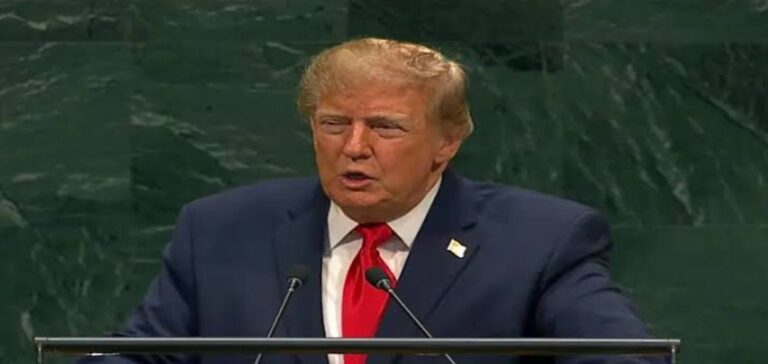
The United States and Iran exchanged fresh threats over the weekend. However, US President Donald Trump also said he was open to meeting Iranian President Masoud Pezeshkian during the UN General Assembly.
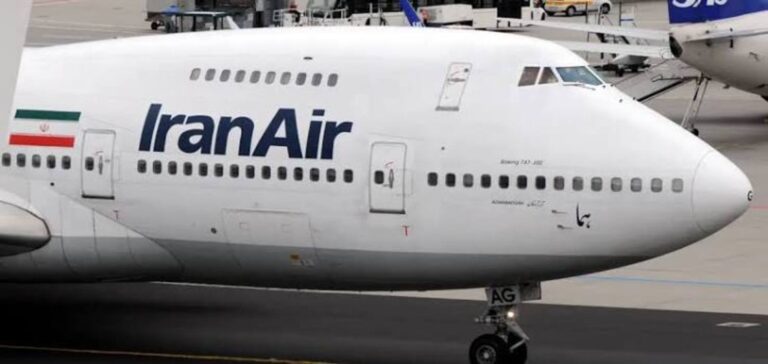
Pezeshkian is expected to be in New York this week. Therefore, traders are watching diplomatic developments closely for signs that negotiations could reduce disruption risks in the Middle East.
Iran has also reportedly communicated conditions for returning to negotiations through mediators.
Saudi Arabia Restores Some Oil Shipments
At the same time, Saudi Arabia has increased crude shipments through the Strait of Hormuz after attacks disrupted its East-West pipeline.
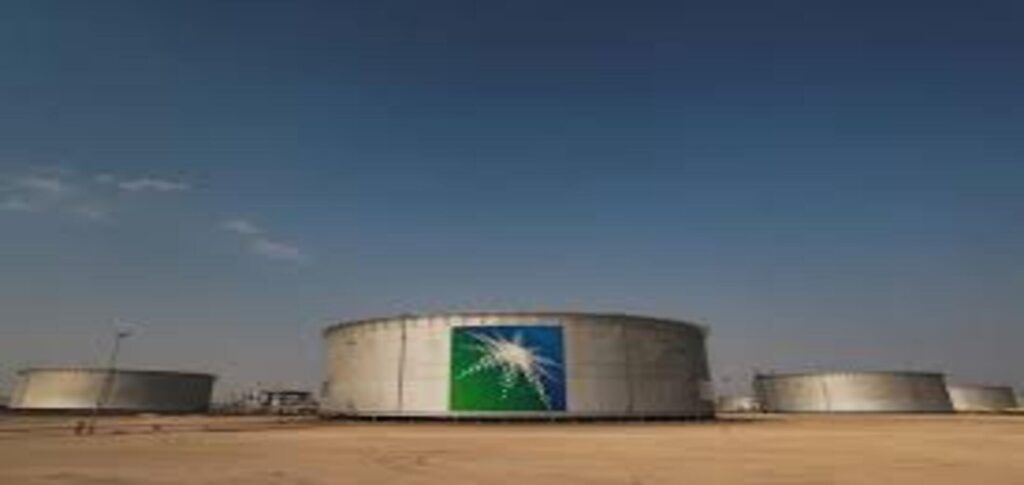
Reuters reported that Saudi Aramco loaded about 14 million barrels onto seven very large crude carriers at Ras Tanura on September 20. Satellite data also showed Saudi crude flows through the Strait of Hormuz averaging around 2.9 million barrels per day over the previous six days, compared with about 700,000 barrels per day in August.
Moreover, the increased flows have helped ease concerns about an extended supply shortage. Saudi Arabia has also been rerouting some crude through Gulf terminals and alternative shipping arrangements after disruptions affected shipments through Yanbu.
Middle East Risks Still Remain
Despite the decline in oil prices, the broader security situation remains unsettled.
Iran-backed Houthi forces have reported attacks targeting areas around Riyadh and Saudi energy infrastructure. Meanwhile, Saudi Arabia continues to adjust its export routes to keep crude moving despite disruptions.
Consequently, traders remain focused on both diplomacy and physical oil flows. If diplomatic efforts make progress and Saudi exports continue recovering, supply concerns could ease further. On the other hand, renewed attacks or a breakdown in negotiations could quickly push geopolitical risk back into crude prices.