
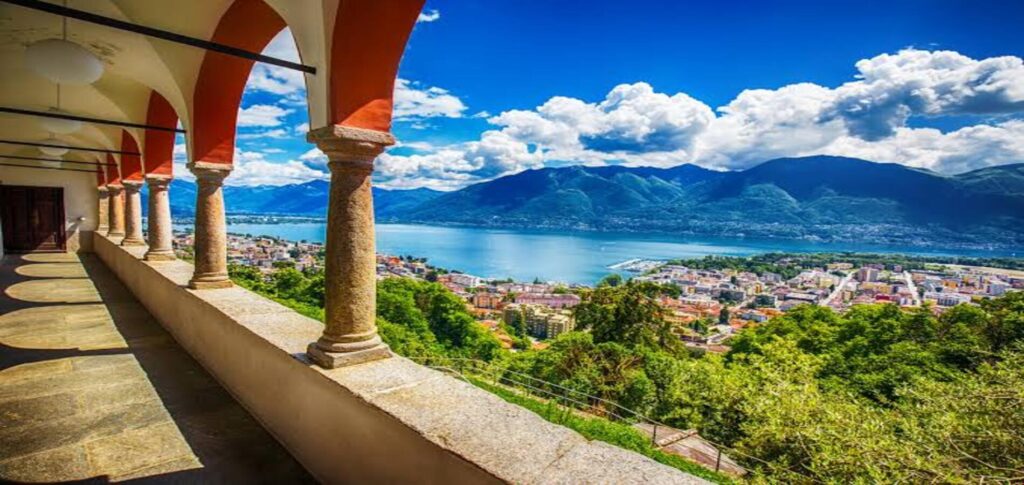
Switzerland is now providing temporary support. Authorities in the canton of Ticino are increasing water releases from Lake Lugano toward Lake Maggiore. The move aims to support water levels and help meet agricultural demand.
The decision highlights a growing problem. Available water is shrinking, while demand from farms, households and ecosystems remains high.
Switzerland Increases Water Releases
Lake Lugano and Lake Maggiore are part of a connected cross-border water system. The River Tresa links Lake Lugano with Lake Maggiore.
Therefore, changes in one lake can affect the other. Italy and Switzerland have long coordinated the management of these shared waters.
The latest intervention is designed to provide short-term relief. However, it cannot resolve the wider Italy water shortage.
Authorities will need to continue monitoring lake levels, river flows and agricultural demand as the drought persists.
Lake Maggiore Faces Growing Pressure
Lake Maggiore sits on the border between Italy and Switzerland. Its water supports agriculture, ecosystems and communities across the region.
The lake is also closely connected to the wider Po River system. As a result, low water levels can create problems beyond the lake itself.
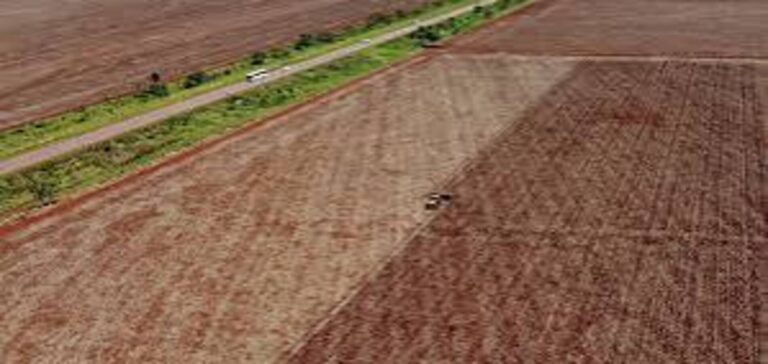
Recent reports have described critically low water supplies across northern Italy. The country’s rice-growing areas have been particularly affected because farmers depend heavily on water from rivers and Alpine lakes.
Italy Water Shortage Hits Rice Farmers
Farmers in Piedmont and Lombardy are among those feeling the effects of the drought.
Rice requires significant amounts of water during the growing season. However, supplies have become increasingly difficult to maintain.
Some farmers have already reduced the areas they cultivate. Others have introduced irrigation rotations to protect their crops.
The situation has created a difficult choice. Farmers need enough water to save their harvests, but authorities must also protect drinking-water supplies and natural ecosystems.
Extreme Heat Makes Water Scarcity Worse
High temperatures are adding to the pressure.
Hot weather increases evaporation from soil, rivers and reservoirs. Plants also lose water more quickly through evaporation and transpiration.
Meanwhile, drought reduces the amount of fresh water entering rivers and lakes.
Together, these conditions create a dangerous cycle. Less rainfall means lower supplies, while higher temperatures increase demand.
Recent reporting has linked the wider European drought to record-breaking heat and increasingly severe water shortages.
Water Stress Spreads Across Northern Italy
The crisis extends beyond Lake Maggiore.
The Po River basin has experienced serious drought conditions. Reduced flows are creating difficulties for agriculture and other users across northern Italy.
Piedmont and Lombardy face particularly strong pressure because of their large agricultural sectors.
The problem also affects waterways and ecosystems. Lower river levels can reduce the amount of freshwater reaching downstream areas.
That creates additional environmental risks, especially in vulnerable parts of the Po basin.
Lake Lugano Provides Temporary Relief
Switzerland’s intervention offers some immediate assistance.
By increasing water releases from Lake Lugano, authorities hope to support Lake Maggiore during a period of severe scarcity.
The arrangement also demonstrates the importance of international cooperation.
Lake Maggiore and Lake Lugano cross national boundaries or connect to shared water systems. Therefore, decisions made in one country can have consequences in another.
Still, the extra water represents only temporary relief.
Drinking Water Adds to the Pressure
Agriculture is not the only sector affected by the Italy water shortage.
Communities also need reliable supplies for drinking and sanitation. At the same time, rivers require sufficient flows to protect wildlife and ecosystems.
Industry and energy production can create additional demand.
Consequently, authorities face increasingly difficult decisions about how to distribute limited water resources.
The challenge becomes even greater during prolonged heatwaves.
The Po River Faces a Difficult Summer
The Po is Italy’s longest river and plays a central role in the country’s agriculture and water system.
Its basin contains some of Italy’s most productive farmland. However, drought has reduced water availability across the region.
Recent reporting said the Po River and Lake Maggiore had reached critically low levels. The situation has placed particular pressure on Italy’s rice industry.
Lower river flows can also create environmental problems.
In the Po Delta, for example, reduced freshwater flows can increase the risk of saltwater moving inland from the Adriatic Sea.
Who Gets the Water First?
The worsening Italy water shortage raises a difficult question: who should receive water when supplies become limited?
Farmers need irrigation to protect crops. Households need drinking water. Rivers need sufficient flows to support ecosystems.
There are also industrial and energy requirements.
As a result, authorities must balance competing demands instead of focusing on one sector.
The situation around Lake Maggiore shows why water management is becoming increasingly important across Italy.
Italy Needs Long-Term Water Solutions
Temporary measures can provide relief, but Italy needs longer-term solutions.
Authorities could improve water networks and reduce leaks. Farmers could also adopt more efficient irrigation systems.
Reservoirs may help store water during wetter periods for use during droughts. Reusing treated wastewater could provide another source for agriculture and industry.
Better planning is also essential.
Italy needs to prepare for periods when rainfall becomes less predictable and extreme heat increases water demand.
A Warning for Italy’s Future
The situation around Lake Maggiore offers a wider warning for Italy.
The current Italy water shortage is affecting agriculture, rivers and water supplies. At the same time, climate-driven heat and drought are putting additional pressure on already limited resources.
Switzerland’s support through Lake Lugano can help ease some of the immediate pressure. However, the measure cannot solve the country’s wider water problems.
For now, Italy faces a difficult summer. Farmers need water, communities need reliable supplies and ecosystems need protection.
The crisis shows why stronger water management, better infrastructure and cooperation between Italy and its neighbors will become increasingly important.