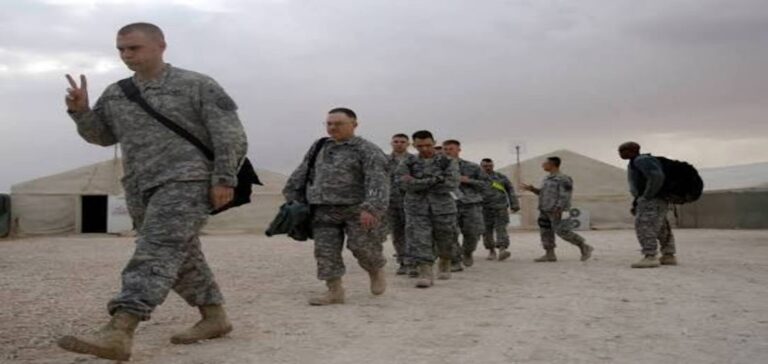

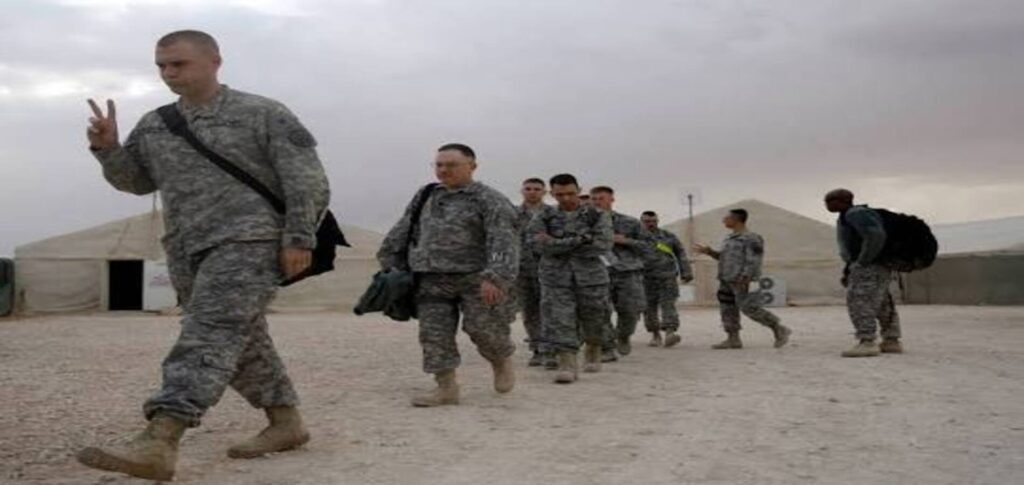
US forces are completing their withdrawal from Iraq, ending a military presence that began with the 2003 invasion.
The remaining American troops are expected to leave their last bases by September 30, 2026. The withdrawal follows an agreement reached between Washington and Baghdad in 2024. The plan was agreed under President Joe Biden and is being completed by the Donald Trump administration.
The departure has different meanings for Iraq, Iran and the United States. Iran and allied Iraqi armed groups have described it as a victory. At the same time, some Iraqi security officials warn that the change could create new security challenges.
Why Are US Forces Leaving Iraq?
The United States first invaded Iraq in 2003 to remove Saddam Hussein’s government.
American troops eventually withdrew in 2011. However, they returned in 2014 after Islamic State captured large areas of Iraq and Syria.
US-led forces then supported Iraqi troops during the campaign against Islamic State. The militant group’s territorial control was largely defeated by 2017.
Now, the military relationship is changing again. Most coalition forces have already left. The remaining US presence is being removed under the agreed transition plan.
Iran and Allied Groups Welcome the Withdrawal
Iran has long opposed the presence of American troops in Iraq and across the wider Middle East.
Iran-backed Iraqi armed groups have therefore welcomed the US departure. Abu Mojtaba al-Yasiri, a commander in the Islamic Resistance in Iraq, described the withdrawal as a victory for groups that opposed the American presence.
Iraqi security analyst Jasim al-Bahadli told Reuters that Iran could benefit strategically because the US military presence had acted as a counterweight to Tehran’s influence.
He also said Iran-aligned groups could seek greater influence over Iraq’s security and political decisions.
However, the extent of any future change remains uncertain. Iraq maintains relationships with both Washington and Tehran and has been trying to balance those competing relationships.
Concerns About a Security Gap
Not everyone sees the withdrawal as a straightforward security transition.
Some Iraqi officials and security figures say Iraqi forces may face greater pressure after the coalition leaves.
Abdulrahman al-Zobaie, a Sunni tribal leader from Fallujah, told Reuters that Iraqis want full sovereignty. However, he also expressed concern that the departure could create a security gap.
The issue is particularly sensitive because powerful Iran-aligned armed groups remain active in Iraq.
Prime Minister Ali al-Zaidi has also faced difficulties in efforts to bring these groups under greater state control. Reuters reported earlier this month that several powerful militias had resisted a government disarmament effort.
Could Islamic State Regroup?
Another concern involves Islamic State.
The group lost its territorial strongholds years ago. Nevertheless, it continues to maintain sleeper cells in Iraq.
Some Iraqi and Kurdish security officials have warned that the loss of US intelligence, logistics and drone support could make it easier for Islamic State fighters to operate.
Kurdish commander Sirwan Barzani told Reuters that security forces had observed movement by sleeper cells after the planned withdrawal became public.
Iraqi security officials have also reported an alleged Islamic State plot involving suicide attacks around the withdrawal period.
These reports do not mean the group has regained its former territorial power. However, they highlight concerns about its ability to exploit security gaps.
What the Withdrawal Means for Iraq
The US departure closes another major chapter in Iraq’s modern military history.
For many Iraqis, the end of the foreign military presence represents greater national sovereignty. Meanwhile, others remain concerned about whether Iraqi forces can manage every security threat without the same level of American support.
For Iran, the withdrawal removes a major US military presence from a country where Tehran has built extensive political and security relationships.
For the United States, the move marks a shift away from a military role that has lasted more than two decades.
The next phase will depend largely on how Iraq manages its relationships with Iran, the United States and its own armed groups. It will also depend on whether Iraqi security forces can prevent Islamic State from exploiting any emerging gaps.