
A new purple cooling fabric developed by researchers in China and Australia could help people stay cooler during extreme summer heat, challenging the idea that people must wear white clothing to avoid overheating.
Outdoor tests showed that the new material stayed up to 6.2°C cooler than ordinary purple cotton under direct sunlight. The breakthrough could eventually lead to more colorful clothing designed for hot climates, outdoor work and sports.
Researchers from Zhengzhou University worked with scientists at the University of Adelaide on the project. Their findings appeared in the scientific journal Small.
Why Purple Clothing Usually Gets Hotter
Most cooling fabrics use white surfaces because white reflects a large amount of sunlight. Darker colors generally absorb more solar energy, which makes them harder to keep cool.
Purple presents an additional challenge because the color absorbs green light. Green wavelengths make up a significant portion of sunlight reaching the Earth’s surface.
Professor Jun Ma from the University of Adelaide said the research aims to show that people can keep their preferred colors without sacrificing cooling performance.
The researchers created a material that retains a purple appearance while reflecting much of the sun’s energy. At the same time, the fabric allows heat from the body to escape.
How the Purple Cooling Fabric Works
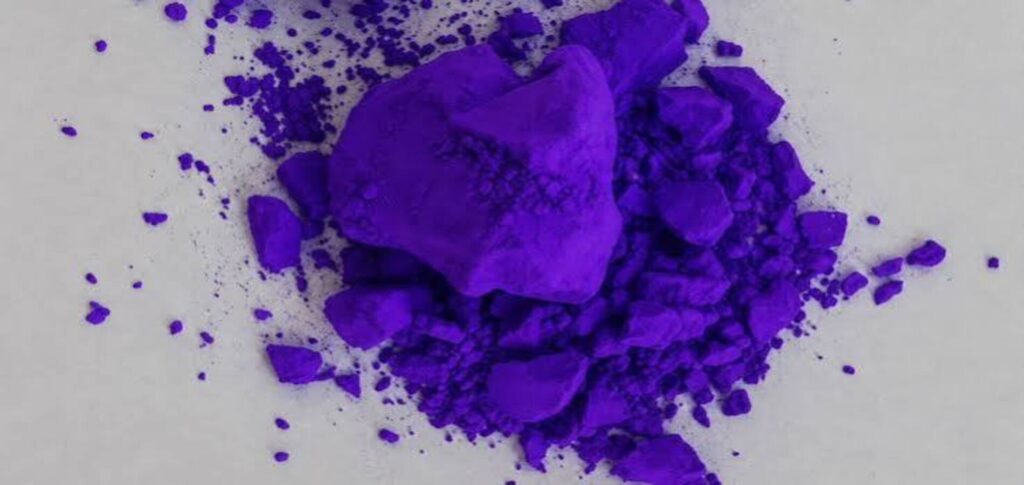
The team created the purple cooling fabric using tiny fibers containing a purple material known as a metal-organic framework. Researchers also added zinc oxide nanoparticles to improve the material’s ability to manage sunlight and heat.
Together, these components allow the fabric to reflect almost 88% of incoming sunlight. The material can also release thermal energy from the body.
Outdoor testing produced promising results. The new fabric remained 4.2°C cooler than commercial white cotton in direct sunlight.
It performed even better against ordinary purple cotton. The new material stayed 6.2°C cooler during the outdoor tests.
Researchers also tested the fabric using a simulated skin surface. Under those conditions, the material kept the surface temperature up to 8°C lower than bare skin.
Fabric Could Help Outdoor Workers and Athletes
Yangzhe Hou, a co-author from the University of Adelaide, said the technology could eventually benefit people who spend long periods outdoors.
Outdoor workers, athletes and people living in hot regions could potentially use clothing made with the material to reduce heat exposure.
The fabric also offers several practical advantages. Researchers describe it as lightweight, stretchable, breathable and water-repellent.
Importantly, the material retained its cooling performance after 50 washing cycles. That durability could make the technology more practical for everyday clothing if manufacturers can scale up production.
Future Cooling Clothes Could Come in More Colors
The research could eventually expand the range of colors available for cooling clothing. Scientists have traditionally focused on white or very light materials because they reflect sunlight more effectively.
The new approach suggests that advanced materials could deliver strong cooling performance while maintaining brighter or darker colors.
Researchers hope future versions will combine style, comfort and heat-management technology. If manufacturers can turn the laboratory results into affordable commercial products, colorful cooling clothes could offer another way for people to cope with increasingly intense summer temperatures.