
A person has died in a Dutch hospital after contracting West Nile virus, marking a serious development in the Netherlands’ recent rise in locally acquired infections.
The country’s public health institute, RIVM, confirmed the death on Wednesday. However, officials did not say whether the person was among the three locally acquired cases reported in recent weeks.
West Nile Virus Cases Rise in Netherlands
RIVM reported last week that the Netherlands had recorded its first locally acquired West Nile virus infection since 2020. The institute later said three infections had likely occurred within the country.
Officials have not released further details about the person who died. They also have not confirmed whether the latest death is linked to one of the previously reported infections.
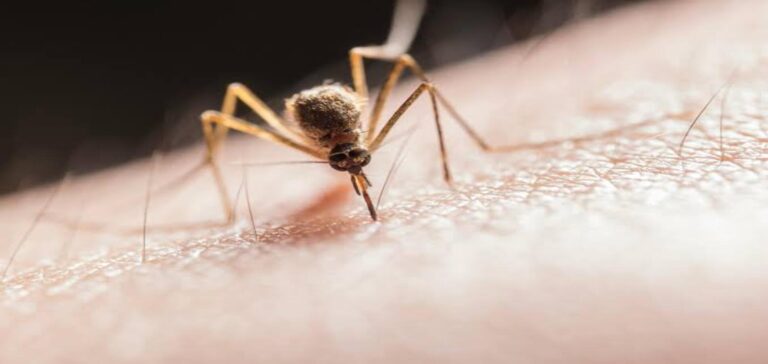
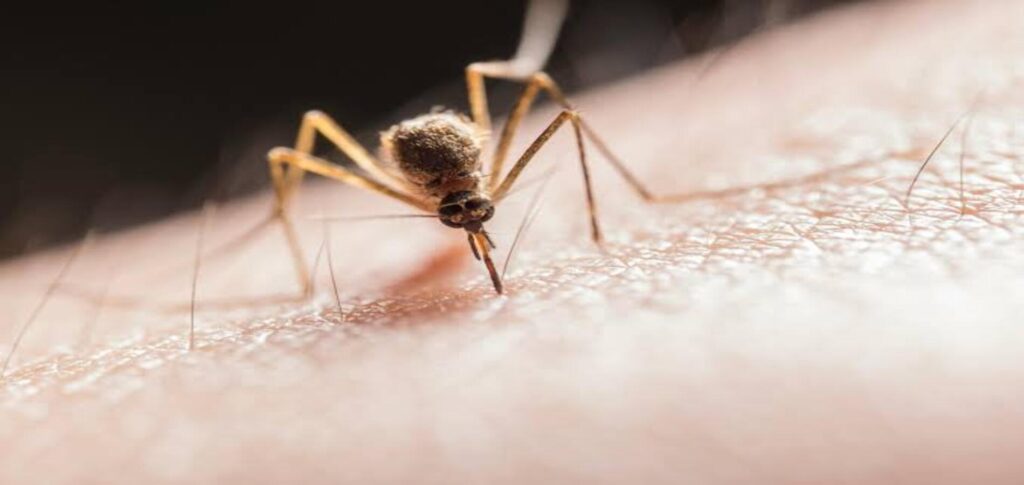
West Nile virus mainly spreads to people through the bites of infected mosquitoes. Most infected people develop no symptoms or experience only mild illness.
However, the infection can sometimes cause severe disease. According to the World Health Organization, about one in every 150 infected people can develop serious, potentially life-threatening illness.
Mosquito-Borne Virus Spreads Across Europe
Health officials across Europe are monitoring West Nile virus activity as mosquito populations expand.
The World Health Organization has warned that warmer temperatures can give mosquitoes more time and suitable areas to reproduce and spread the virus.
Several European countries have reported infections this summer, including Greece and Italy. The increase has raised concerns about the impact of changing weather patterns on mosquito-borne diseases.
Despite the latest death, RIVM said the risk for people in the Netherlands remains low.
The institute continues to describe it as “very unlikely” for people to contract West Nile virus within the Netherlands.
What Is West Nile Virus?
West Nile virus belongs to a group of viruses that mainly circulate between mosquitoes and birds. People and other animals can become infected when bitten by an infected mosquito.
There is currently no widely available specific antiviral treatment for West Nile virus infection. Medical care generally focuses on managing symptoms and complications in patients who develop severe disease.
People can reduce their risk by limiting mosquito bites, particularly in areas where West Nile virus is circulating. Using insect repellent, wearing clothing that covers exposed skin and reducing standing water around homes can help lower exposure to mosquitoes.
The latest death underscores why Dutch and European health authorities continue to monitor mosquito activity and locally acquired infections, even though the overall risk in the Netherlands remains low.