Brazil’s top electoral court has introduced new standards for AI deepfakes in political advertising. The move aims to limit misinformation and political manipulation ahead of the country’s October elections.
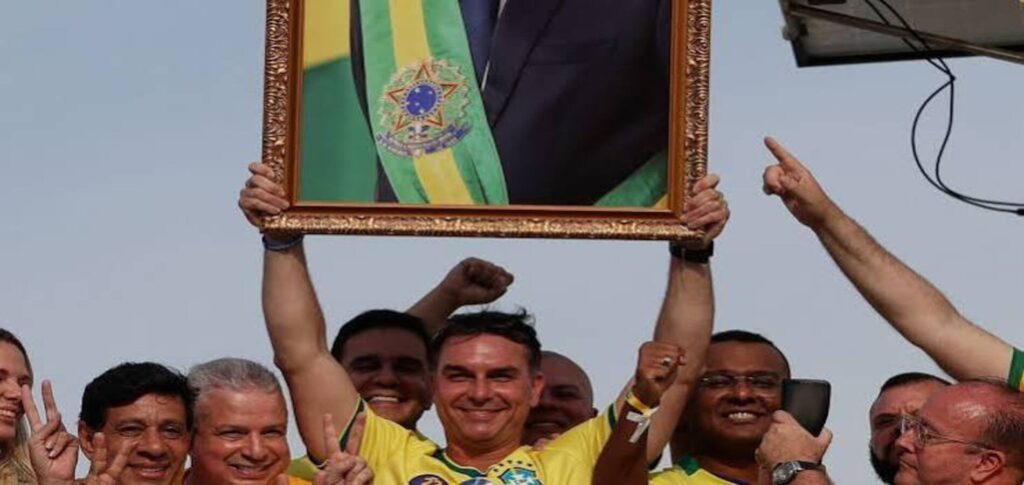
The court announced the decision late Tuesday. The case involved opposition candidate Sen. Flávio Bolsonaro and his use of AI-generated images of his father, former President Jair Bolsonaro.
Flávio Bolsonaro used the AI-generated material during his party’s convention in São Paulo in July. The digital version of his imprisoned father appeared to encourage supporters to back his son’s presidential campaign against President Luiz Inácio Lula da Silva.
Jair Bolsonaro received a 27-year prison sentence in November for leading a coup attempt. During the Liberal Party convention, the AI-generated version of Bolsonaro urged attendees to support Flávio and “open arms” for his campaign.
Court Rejects Punishment for Bolsonaro
The electoral court voted 4-3 against punishing Flávio Bolsonaro. The judges ruled that the material did not amount to political advertising intended for public broadcast.
The court noted that Bolsonaro used the AI-generated content at a private party event. He also had not officially announced his candidacy at the time.
However, the court made a separate decision about the wider use of AI in political campaigns. Judges voted 5-2 to establish a formal definition of a political deepfake.
Under the new definition, deepfakes include synthetic or manipulated material created with AI or similar technology. The technology must realistically create, reproduce or alter a person’s image, voice or speech.
The definition covers living people, deceased people and fictional characters.
New Rules Will Affect Election Campaigns
Brazilian presidential campaigns rely heavily on online platforms. Television and radio advertising still play an important role in shaping public opinion and reaching voters.
The new rules will cover a large amount of campaign material before the first round of voting on October 4. Candidates will face closer scrutiny as political parties increase their use of digital content.
Broadcasters must also reserve 14 minutes each day for almost 1,000 political advertisements lasting 30 seconds each. They must provide an additional 12 blocks of 30 seconds exclusively for presidential candidates.
The ruling gives Brazil’s electoral authorities a clearer framework for dealing with AI-generated political content. It also comes as candidates prepare for an election campaign where digital media will play a major role.