
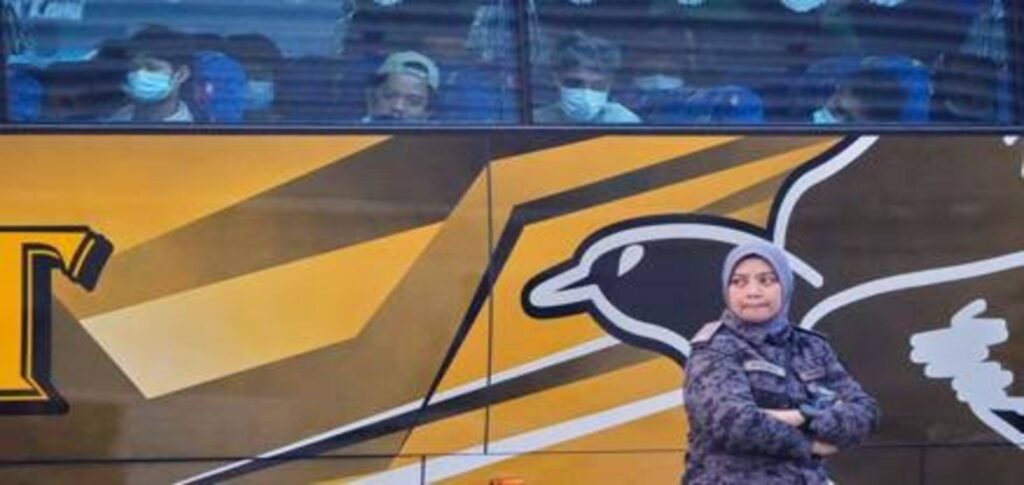
Malaysia has begun returning Myanmar nationals as part of a controversial repatriation plan that could affect up to 5,000 people.
The first group, numbering about 1,500 people, left Malaysia on September 29. Reuters reported that the group included 1,370 men, 79 women, 20 boys and seven girls.
The Malaysian government says the returns are voluntary. However, the United Nations refugee agency has raised concerns about the process and the safety of people being sent back.
Malaysia Starts First Repatriation
The first phase follows an agreement between Malaysia and Myanmar. Malaysia had announced that 1,476 people were scheduled to return on September 29.
UNHCR said it was not involved in the planned repatriation. The agency also warned that Myanmar remains unsafe because of ongoing armed conflict and violence.
Malaysia hosts a large Myanmar refugee population. UNHCR data shows that more than 193,000 registered refugees and asylum seekers from Myanmar were in the country as of February 2026. More than 126,000 were Rohingya.
Human Rights Groups Raise Concerns
Human rights and civil society organizations have criticized the repatriation plan.
They have warned that some returnees could face violence, persecution or forced recruitment after reaching Myanmar. More than 160 civil society groups previously called on Malaysia to stop the planned returns.
UNHCR has also emphasized that returns should be voluntary, informed and carried out safely and with dignity. The agency said refugees should not be returned to places where their rights face serious risks.
Rohingya Face Particular Challenges
The repatriation plan has particular significance for the Rohingya community.
Many Rohingya fled Myanmar after years of persecution and violence. Most are not recognized as citizens of Myanmar and have sought protection in neighboring countries, including Malaysia.
UNHCR says Malaysia currently hosts a large Rohingya population as part of its wider Myanmar refugee community.
The conditions awaiting returnees remain a major concern. Myanmar continues to experience armed conflict, while access to safe and stable areas remains limited.
Anwar Defends Engagement With Myanmar
Prime Minister Anwar Ibrahim has defended Malaysia’s decision to engage with Myanmar’s authorities.
His government has said that Malaysia cannot permanently host such a large refugee population. Anwar has also linked the issue to economic and security concerns inside Malaysia.
In September, Anwar said Malaysia would seek greater cooperation from Myanmar as part of efforts to manage the Rohingya issue. He also planned to invite Myanmar’s leader Min Aung Hlaing for an official visit.
The policy marks a significant change from Anwar’s earlier emphasis on human rights and humanitarian concerns involving Myanmar.
Repatriation Raises Wider Questions
The first returns are now underway. However, questions remain about how the process will be monitored and how the safety of returnees will be protected.
For now, Malaysia maintains that the returns are voluntary. Meanwhile, UNHCR and rights groups continue to highlight concerns about conditions in Myanmar.
The broader agreement could involve thousands more people. As a result, the first phase is likely to receive close attention from humanitarian organizations and governments across Southeast Asia.