
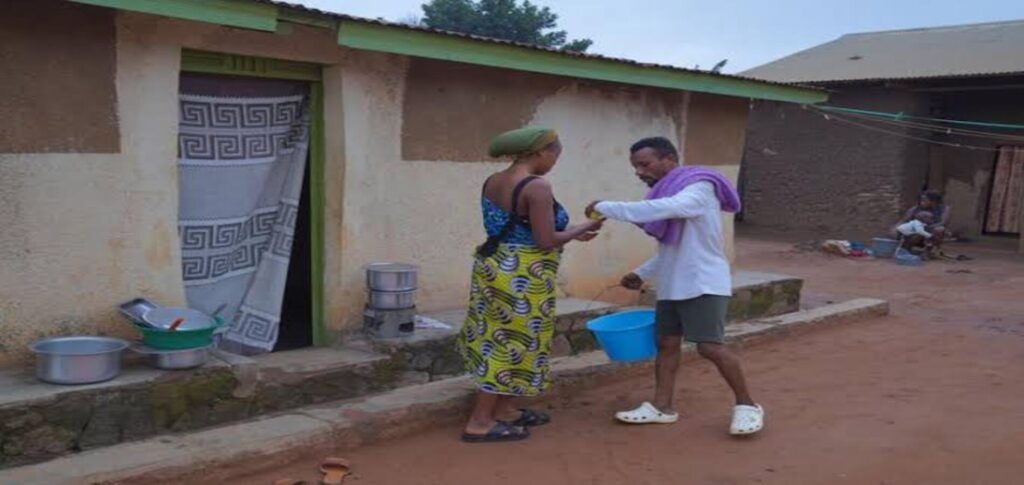
The Congo Ebola outbreak has become the fastest-growing Ebola crisis ever recorded, yet many of the frontline workers risking their lives every day remain unpaid. At the center of the emergency is infection-control worker Wiza Bondele, who continues to report for duty despite months without receiving his salary. As confirmed infections rise rapidly, financial hardships, insecurity, and misinformation are making the battle against Ebola even more difficult across eastern Democratic Republic of Congo.
Frontline Workers Continue Fighting Despite Months Without Pay
Every day, Wiza Bondele reports to an Ebola treatment hospital in Congo’s eastern Ituri province with one mission—to help slow the spread of the deadly virus.
His responsibilities include disinfecting contaminated hospital areas, checking temperatures of visitors, ensuring proper handwashing procedures, and protecting healthcare facilities from further infections.
These tasks place Bondele in direct contact with potentially infected environments, yet he continues working without receiving the monthly salary he was promised after the outbreak was officially declared in May.
Like hundreds of other frontline workers including ambulance drivers, burial teams, sanitation workers, and support staff Bondele says he has not received regular payment despite continuing to serve throughout the crisis.
The Fastest-Growing Ebola Outbreak on Record
The current Congo Ebola outbreak has already become one of the deadliest in history.
According to government figures:
-
- More than 4,000 confirmed Ebola cases
-
- Over 1,800 deaths
- Cases continue rising faster than health authorities can trace infections
The outbreak is now the second-largest Ebola epidemic ever recorded, behind the devastating West African outbreak between 2014 and 2016.
Health officials say the virus involved is the Bundibugyo strain, for which there are currently no approved vaccines or specific treatments, making containment even more challenging.
Financial Hardship Is Hurting the Ebola Response
Bondele previously worked during Congo’s 2018 Ebola epidemic and returned because he believed his experience could save lives again.
Instead, he now struggles to support his wife, child, and extended family without receiving his wages.
Simple daily expenses including rent, food, transportation, water bills, and mobile phone credit have become overwhelming.
One morning, Bondele’s financial difficulties became painfully clear.
While riding his motorcycle to work, he ran out of fuel before reaching the treatment center. Unable to afford gasoline, he left the motorcycle with nearby residents and walked approximately 13 kilometers (8 miles) to the hospital.
By the time he arrived, his shoes had worn out completely.
Despite the hardship, Bondele says abandoning his work would mean abandoning his community during its greatest health emergency.
Healthcare Workers Stage Strikes Over Unpaid Salaries
Growing frustration over unpaid wages has already disrupted the Ebola response.
Hundreds of healthcare workers temporarily walked off the job and organized demonstrations demanding payment after months of broken promises.
Several Ebola treatment centers reported reduced staffing levels as workers refused to continue without compensation.
Medical staff warned that delayed salaries were damaging morale and directly affecting patient care during one of the country’s worst public health emergencies.
Although Congolese officials acknowledged the payment problems and promised to resolve them through mobile payment systems, many workers say they are still waiting.
Some healthcare workers reportedly received only partial payments, while others including Bondele have not been paid at all.
Government Promises But Few Answers
Authorities insist they are working to resolve the salary crisis.
Officials have blamed logistical issues and payment system changes for the delays, saying healthcare workers will eventually receive their outstanding wages.
However, repeated promises have done little to restore confidence among exhausted frontline staff.
Bondele says he no longer knows whether the delays result from administrative failures or a shortage of government funding.
“I hope their conscience tells them that I deserve to be paid,” he said.
Violence and Misinformation Continue Fueling the Outbreak
The Congo Ebola outbreak faces challenges far beyond medical treatment.
Armed conflict across eastern Congo continues to make many communities difficult to reach.
At the same time, misinformation has fueled deep distrust toward healthcare workers.
Many residents mistakenly believe:
-
- Ebola is not real.
-
- Health workers profit from the outbreak.
-
- Hospitals intentionally withhold treatment.
- Safe burial procedures disrespect local traditions.
These rumors have triggered violent attacks on treatment centers, healthcare teams, and burial workers.
Medical facilities have been burned, ambulances attacked, and healthcare workers threatened while attempting to educate communities about preventing Ebola transmission.
Some residents refuse to cooperate with contact tracing efforts, making it even harder to contain new infections.
Traditional Burial Practices Add More Challenges
One of the most sensitive issues involves traditional funerals.
Because Ebola spreads easily through contact with infected bodies, health authorities require specially trained burial teams to handle victims safely.
Many grieving families strongly oppose these restrictions, believing they are prevented from saying goodbye to loved ones according to local customs.
This tension has become another major obstacle in controlling the outbreak.
The Human Cost Behind the Congo Ebola Outbreak
For Bondele, fighting Ebola has never been just a job it has always been a calling.
Even after experiencing previous Ebola emergencies, he returned because he wanted to help protect his community from another devastating outbreak.
Yet the lack of financial support has left many frontline workers questioning how long they can continue.
Despite the dangers, Bondele still reports for duty every day because he understands that abandoning the treatment center would put countless lives at greater risk.
However, he admits that the emotional and financial burden is becoming increasingly difficult to bear.
International Support Remains Critical
Public health experts say containing the Congo Ebola outbreak will require more than medical expertise.
The response also depends on:
-
- Consistent funding for frontline healthcare workers.
-
- Reliable delivery of protective equipment and medical supplies.
-
- Community education campaigns to combat misinformation.
-
- Improved security for hospitals and medical personnel.
- Faster identification and isolation of infected patients.
Without these measures, health officials fear the outbreak could continue expanding into new communities, increasing both infections and fatalities.
International organizations continue working alongside Congolese authorities, but ongoing conflict and limited infrastructure remain significant barriers.
Why the Current Ebola Crisis Matters
The latest Congo Ebola outbreak demonstrates how infectious disease emergencies become far more difficult when healthcare systems face funding shortages, insecurity, and public distrust simultaneously.
Every unpaid healthcare worker represents another strain on an already overwhelmed response system.
Every attack on medical teams delays treatment for vulnerable patients.
Every rumor discouraging cooperation allows the virus to spread further.
Experts warn that unless these underlying challenges are addressed quickly, controlling the outbreak will become even more difficult.
The Congo Ebola outbreak is no longer just a public health emergency—it has become a humanitarian crisis for the very people trying to stop it.
Healthcare workers like Wiza Bondele continue risking their lives despite receiving little financial support, while conflict, misinformation, and inadequate resources continue slowing containment efforts.
As infections rise at a historic pace, strengthening support for frontline medical teams may prove just as important as medical treatment itself. Without sustained funding, public cooperation, and international assistance, ending the world’s fastest-growing Ebola outbreak will remain an enormous challenge.