
AI-assisted brain surgery marks medical breakthrough
A patient has successfully undergone the world’s first brain operation involving live AI-assisted brain surgery, with doctors using artificial intelligence during the procedure to help remove a tumour.
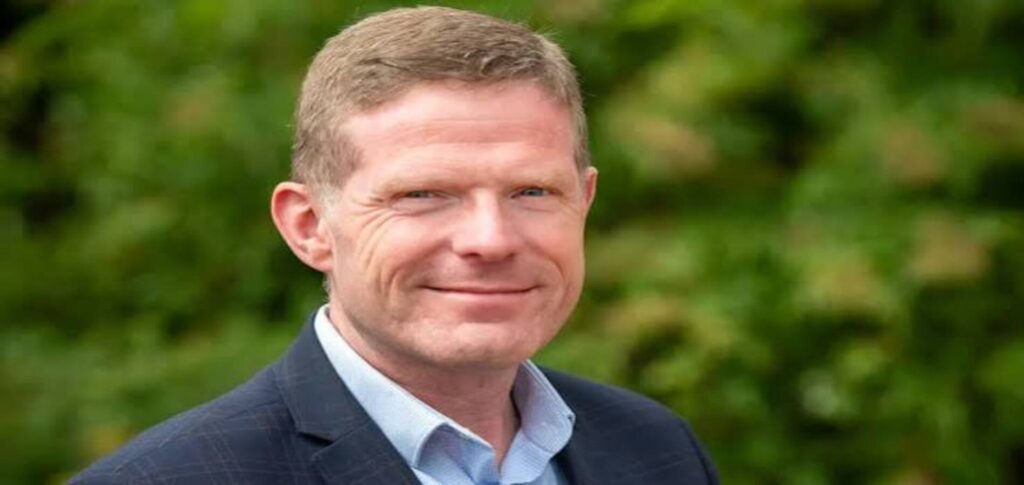
Rhys Hibbert, a 48-year-old father of two from Bedfordshire, underwent the operation at University College London Hospital. Doctors said the tumour could eventually have threatened his eyesight if it continued to press against his optic nerves.
The AI system analysed a live video feed throughout the procedure. It tracked surgical instruments and highlighted areas where important blood vessels and nerves were likely to be located.
AI acts as a second set of eyes
Hibbert was diagnosed with an 11mm non-cancerous tumour on his pituitary gland after he collapsed and suffered a seizure during a lunchtime walk.
The pituitary gland sits at the base of the brain and produces hormones that regulate several essential body functions. However, Hibbert’s tumour was located close to the carotid arteries and optic nerves, making surgery particularly delicate.
As the growth increased pressure on his optic nerves, his peripheral vision began to narrow. He also experienced dizziness, extreme tiredness and problems with his balance.
Doctors eventually offered Hibbert the opportunity to become the first patient to undergo the procedure with their experimental AI system providing live assistance.
The operation involved passing a thin camera through the nose to reach the base of the skull. Surgeons then worked around layers of bone and membrane to reach the tumour.
AI helps surgeons identify hidden structures
Researchers trained the system using hundreds of recordings from previous pituitary tumour operations. Specialists manually identified blood vessels and nerves in those recordings, allowing the AI to learn how to recognise the structures.
During Hibbert’s procedure, the technology displayed its analysis on a separate screen. It helped the surgeons identify potentially important structures that could not easily be seen.
Professor Hani Marcus, one of the specialists involved, said the system can provide an additional expert perspective during surgery. However, he stressed that the surgeons remain fully responsible for every decision.
The team describes the technology as a possible early step towards a “ChatGPT for surgeons”, where doctors could seek additional guidance during complex procedures.
Patient says surgery changed his life
Hibbert said his eyesight felt dramatically clearer after the operation. He has also reported improved energy levels and said many of the symptoms that affected his daily life have disappeared.
“It’s given me my life back,” he said.
Researchers at UCL developed the technology with support from the National Institute for Health and Care Research and Google. The team spent years testing the system before using it during the landmark operation.
They are now preparing for a larger clinical trial to assess how effectively the technology can assist surgeons and how safely it can be used in real-world operations.
The breakthrough could eventually lead to wider use of AI-assisted brain surgery, although researchers emphasise that artificial intelligence will support doctors rather than replace their judgment.