
Guinea-Bissau Prepares for Constitution Vote
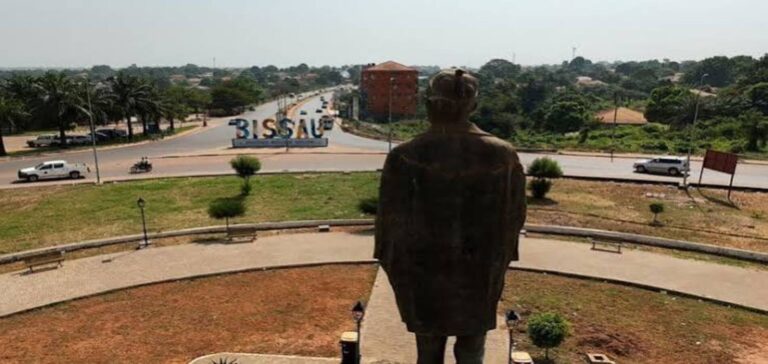
Guinea-Bissau will hold a referendum on August 30 to decide whether to adopt a new constitution.
The proposed document would give the president much greater authority over the government.
The West African country is currently under military rule following a coup last year.
The referendum will also shape the political system ahead of presidential and legislative elections scheduled for December.
Under the current constitution, parliament chooses the prime minister.
The prime minister then appoints the cabinet.
The proposed constitution would change that system.
It would allow the president to appoint and dismiss the prime minister and cabinet.
President Would Gain More Powers
The proposed constitution would give the president several additional powers.
The president could create or abolish government ministries.
The president would also chair the Council of Ministers.
Under certain conditions, the president could dismiss the government.
The proposed rules would also allow the president to dissolve parliament during a serious political crisis.
These changes would significantly alter the balance between the presidency and legislature.
Manuel Nobre de Barros, a professor at Lusofona University in Guinea-Bissau, said the reforms could give the president dominant political power.
He also warned that the proposed system could weaken political opposition.
Parliament Would Become Smaller
The proposed constitution would also change the country’s parliamentary structure.
Parliament would have 65 seats instead of 102.
The number of electoral constituencies would also fall.
The country would move from 29 constituencies to just 12.
De Barros said the reduction could weaken parties that rely on strong local support.
He argued that the changes could have a major impact on how political parties compete in future elections.
Coup Changed Guinea-Bissau Politics
The proposed constitutional changes come after a military coup in November.
The coup occurred just one day before the electoral commission planned to announce the results of a presidential election.
The political crisis has since left the military in control of the country.
The upcoming referendum could therefore play a major role in determining Guinea-Bissau’s political future.
Voters will decide whether to approve the proposed changes before the country heads toward its scheduled December elections.
New Residency Rule for Candidates
The proposed constitution would also introduce a new requirement for presidential candidates.
Candidates would need to have lived permanently in Guinea-Bissau for the previous five years.
The current constitution does not impose that residency requirement.
Existing rules require presidential candidates to hold Guinean citizenship by birth.
Candidates must also be at least 35 years old and have full civil and political rights.
The new residency rule could affect who qualifies to contest future presidential elections.
The referendum will therefore determine more than the distribution of executive power. It could also reshape Guinea-Bissau’s electoral system and influence the country’s political landscape for years to come.