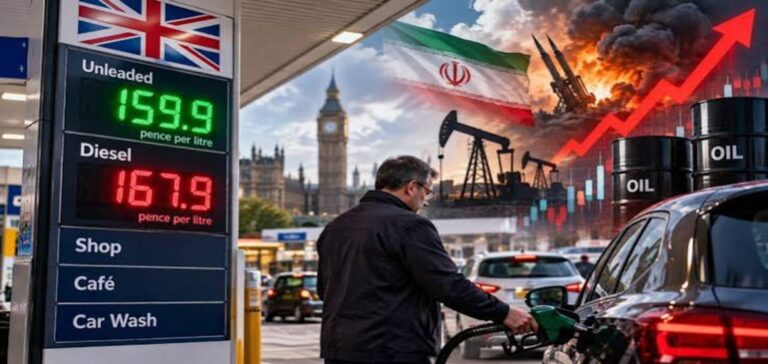


Iran petrol imports have been disrupted by a US naval blockade, leaving the country unable to bring in enough fuel to cover a shortfall in domestic production, a senior Iranian official said Wednesday.
Vice President Mohammad Jafar Ghaempanah said Iran’s petrol production remains below domestic demand. State news agency IRNA quoted him as saying the US blockade had made it impossible for Tehran to import the additional fuel it needs.
The warning comes as long queues have appeared at petrol stations across Iran. The fuel disruption has added to mounting economic pressure as the conflict with the United States continues to affect supplies and trade.
On Monday, Iranian President Masoud Pezeshkian’s chief of staff, Mohsen Haji-Mirzaei, said petrol quotas would be reviewed. He did not explain whether the government was considering changes to existing fuel limits.
Fuel shortages increase pressure on Iran
The conflict began on February 28, when Israel and the United States launched attacks on Iran. Tehran later took control of the strategic Strait of Hormuz, while Washington imposed a naval counter-blockade on Iranian ports.
The developments have complicated Iran’s ability to maintain normal fuel supplies. The Strait of Hormuz remains a crucial route for global energy shipments, making disruptions there particularly significant for oil-producing countries and international markets.
Ghaempanah also criticised Iran’s system of heavily subsidised petrol. He argued that the current system benefits people who own several vehicles more than citizens without cars.
“The distribution of petrol in the country is inequitable,” he said, according to IRNA.
Iran faces difficult fuel decisions
Iran remains one of the world’s major oil producers and has some of the cheapest petrol prices because of extensive government subsidies. However, domestic production does not fully satisfy demand, leaving the country dependent on imports to fill the gap.
Any move to reduce subsidies or increase petrol prices could prove politically sensitive. Previous attempts to change fuel prices have triggered public anger and widespread protests.
For now, the government faces the difficult task of keeping petrol available while dealing with restrictions on imports. If the blockade continues, pressure on fuel supplies could increase further.