
The United States is preparing to phase out its financial support for Namibia’s HIV programs, marking another major change in Washington’s approach to foreign health aid in southern Africa.
Under a new agreement, the US will provide Namibia with $45 million for its HIV response during the 2027 fiscal year. After that, Namibia will begin taking greater responsibility for funding its own HIV programs.
The United States will continue to provide technical assistance as the country moves toward a nationally funded HIV response.
US funding for Namibia will end
Namibia has received about $45 million each year through the President’s Emergency Plan for AIDS Relief (PEPFAR) in recent years.
Washington says it has provided more than $1.1 billion to support Namibia’s HIV response since 2003.
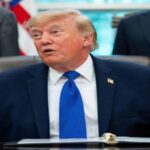
The latest decision was expected after the Trump administration adopted its “America First” approach to foreign aid. However, the timing also follows a dispute over proposed health data and biological specimen-sharing provisions.
Namibia rejected the provisions in their proposed form. Officials raised concerns about privacy, national sovereignty and the country’s legal protections.
Namibian officials previously said the proposals did not comply with national laws and could undermine constitutional privacy protections and sovereignty over biological resources.
Data-sharing dispute adds pressure
The US has been negotiating individual health agreements with countries as it changes its foreign aid strategy.
Washington says the agreements are designed to reduce dependence on foreign donors, increase domestic health financing and protect US interests.
Around 30 countries have signed similar agreements since late last year, many of them in Africa.
However, the approach has faced resistance in several countries.
Ghana rejected a proposed agreement over concerns about access to sensitive health information. Zimbabwe withdrew from a $367 million package after raising similar concerns.
Meanwhile, a court challenge has placed Kenya’s $2.5 billion agreement on hold. Zambia has also objected to demands involving health data.
Namibia and the United States are reportedly negotiating a new bilateral health agreement.
Namibia reports strong HIV progress
Despite the funding transition, both governments highlighted Namibia’s progress in tackling HIV.
The joint statement said Namibia has exceeded key UNAIDS targets.
According to the statement, 96% of people living with HIV know their status. Among those diagnosed, 98% are receiving treatment. The government also says 98% of people receiving treatment have achieved viral suppression.
The new arrangement will gradually move Namibia toward greater domestic responsibility for its HIV response.
The governments said US support over the next year will transition into a technical cooperation model as Namibia integrates its HIV programs into its national health system.
US also reduces South Africa HIV funding
Namibia is not the only southern African country affected by Washington’s changing aid policy.
The United States recently announced plans to phase out more than $400 million in annual support for South Africa’s HIV programs.
Washington has also begun a phased reduction of PEPFAR support in South Africa.
The program has backed the country’s HIV and AIDS response for about two decades and has been widely credited with saving more than 20 million lives worldwide.
The changes could place greater responsibility on African governments to finance long-term HIV programs as US assistance declines.