
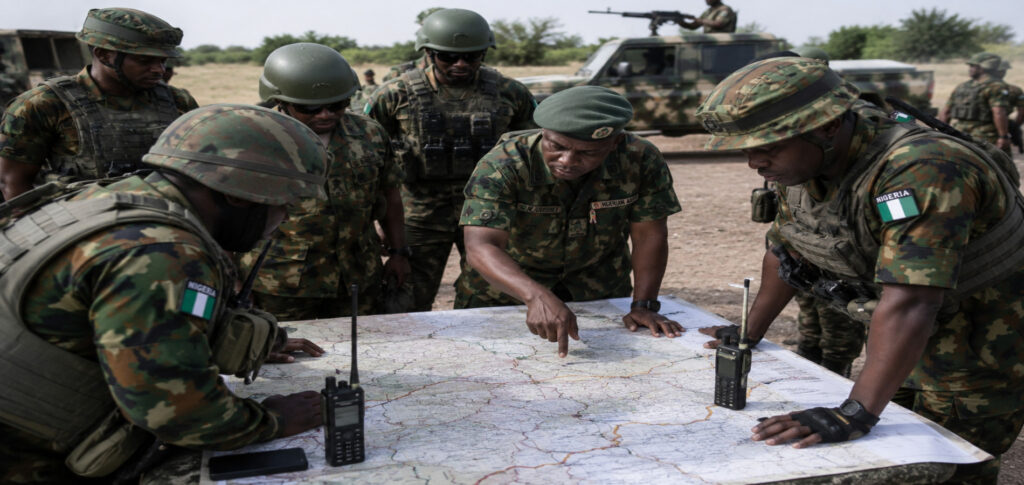
Nigeria has announced its largest military expansion in recent years, as President Bola Tinubu approved a major plan to strengthen the country’s armed forces in response to worsening security challenges across several regions.
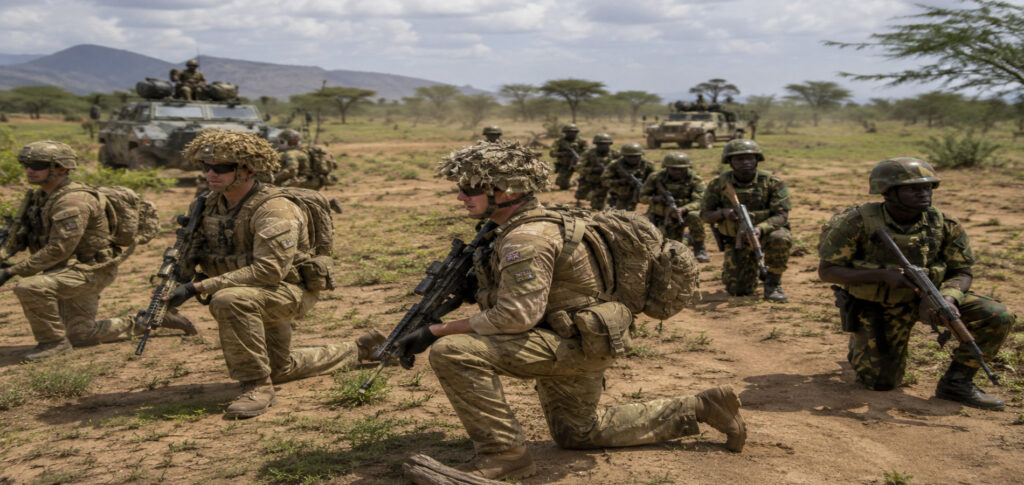
The ambitious initiative includes the recruitment of 28,000 additional soldiers and the creation of four new army divisions, increasing the total number of divisions from eight to twelve. The government believes the expansion will improve military coordination, intelligence gathering, and rapid response capabilities.
Military Expansion Aims to Strengthen National Security
The Nigerian government said the decision comes as security forces continue battling multiple threats, including Islamist insurgents, armed bandits, separatist groups, and criminal gangs responsible for kidnappings and deadly attacks.
Officials believe the new divisions will reduce the burden on existing military formations, many of which currently oversee vast territories covering multiple states with limited resources.
Three additional army headquarters will also be established in the country’s northeast and central regions, areas that have experienced frequent attacks from terrorist organisations and armed criminal groups.
Fresh Violence Highlights Security Challenges
The military expansion follows another wave of violence across Nigeria.
During the past week, armed gangs reportedly killed at least 20 villagers in Zamfara State, while 46 students were abducted from a school in Borno State. Security forces successfully rescued the students within hours, reflecting recent improvements in military response operations.
Despite these successes, armed groups continue to evolve, using more advanced tactics that make security operations increasingly difficult.
Violence has also spread into southern Nigeria, where schools and rural communities have increasingly become targets for kidnappers seeking ransom payments.
Recruitment May Face Challenges
Security analysts believe expanding the military is necessary but warn that recruiting thousands of new soldiers may prove difficult.
Many young Nigerians remain reluctant to join the armed forces due to the increasing number of military casualties recorded during counterterrorism operations in recent years.
Nevertheless, the Tinubu administration says strengthening the armed forces remains essential to restoring peace and stability across the country.
Government Increases Security Spending
President Tinubu recently warned armed groups to surrender or face decisive military action.
Alongside the military expansion, his government has approved the recruitment of more than 50,000 additional police officers and allocated a record 5.41 trillion naira to defence and national security in the latest federal budget.
The government says these investments are intended to improve internal security and protect communities from persistent terrorist attacks and organised crime.
Fight Against Terrorism Continues
Nigeria has also strengthened international security cooperation.
Last year, Nigerian and United States forces conducted joint military operations targeting extremist groups operating in the country’s northwest and northeast regions.
Security forces also eliminated senior Islamic State commander Abu-Bilal al-Minuki during a prolonged operation around the Lake Chad Basin.
Although these operations have weakened several militant networks, terrorist attacks continue to occur, particularly in northern Nigeria, where extremist organisations remain active.
The Nigerian government says the latest military expansion is designed to provide security forces with the manpower and resources needed to confront these threats more effectively while improving long-term national security.