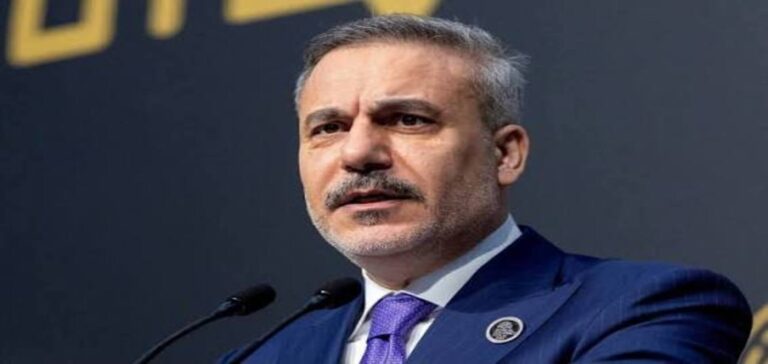

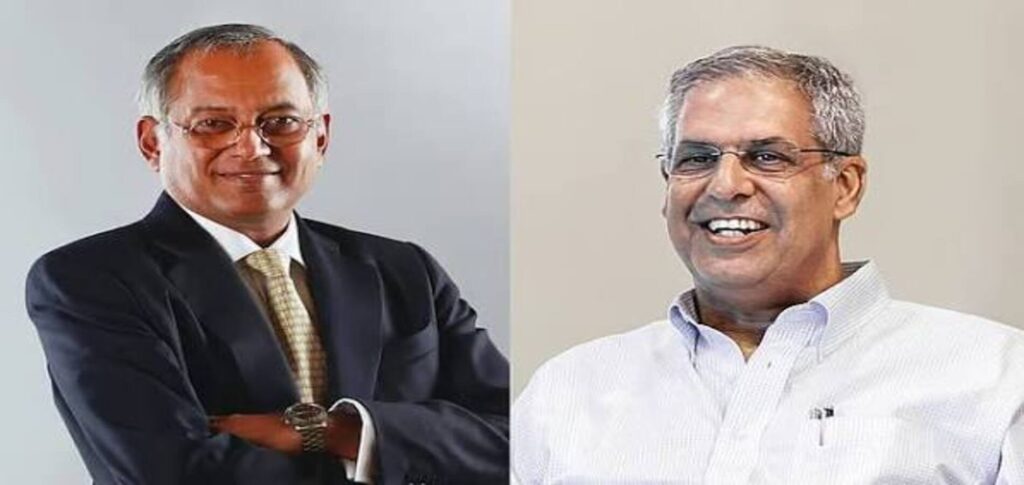
Tata Sons boardroom crisis is deepening after the holding company’s board reappointed N. Chandrasekaran as chairman and backed plans that could move the group toward a public listing, despite opposition from Tata Trusts.
The decision has opened a fresh dispute inside one of India’s most prominent business groups. Tata Trusts controls about 66% of Tata Sons and has opposed both Chandrasekaran’s reappointment and the proposed listing.
The clash could now lead to further negotiations, shareholder confrontation and potentially legal action. At the same time, questions are growing over the future structure of the 158-year-old conglomerate.
Chandrasekaran Faces Shareholder Challenge
Tata Sons’ board approved another five-year term for Chandrasekaran on September 17. His current term was due to end in February 2027.
The decision reversed an earlier indication that he would not seek another term. Chandrasekaran ultimately accepted the board’s request to continue, according to Reuters.
However, Tata Trusts has challenged the appointment.
Trust representatives have argued that the board process did not comply with Tata Sons’ governance arrangements. Reuters reported that Noel Tata, who heads Tata Trusts, opposed the reappointment.
That disagreement could become important at the company’s next annual general meeting. Tata Trusts’ voting power gives it significant influence over the holding company, although the precise outcome of any shareholder process will depend on the applicable corporate rules and votes.
Public Listing Becomes a Major Flashpoint
The leadership dispute is closely linked to another major issue: whether Tata Sons should become a publicly listed company.
The Reserve Bank of India classified Tata Sons as an upper-layer non-banking financial company under its regulatory framework in 2022. The classification created a potential obligation to list the company.
Tata Sons subsequently sought to deregister from the framework. However, the RBI rejected that request in September, leaving the holding company closer to a possible stock market listing.
The RBI has also filed a legal caveat in the Bombay High Court. That step would allow the central bank to be heard if legal proceedings emerge over the potential listing.
Tata Trusts has maintained its opposition to a public listing. The disagreement has therefore moved beyond a question of corporate strategy and into a wider debate over control, governance and the group’s long-term structure.
Why the Listing Matters
Tata Sons sits at the centre of a huge business network. Its companies span technology, automobiles, aviation, steel, consumer products, energy and semiconductors.
The group also has a distinctive ownership structure. Tata Trusts holds the controlling economic interest in Tata Sons, while dividends from Tata companies support the philanthropic work of the trusts.
Opponents of a listing argue that outside shareholders could change those priorities.
They fear public-market pressure could encourage Tata Sons to focus more heavily on financial returns and short-term performance. That could affect how the group distributes dividends or supports businesses that require large investments over many years.
Supporters of a listing, however, argue that public ownership could improve transparency and accountability.
Nirmalya Kumar, a former Tata Sons strategy executive, has argued that Tata Sons needs greater scrutiny because its decisions affect a large part of India’s corporate economy.
Air India and New Investments Add Pressure
The debate comes as Tata Group manages several expensive and long-term projects.
Air India remains one of the biggest challenges. Tata Group regained control of the airline in 2022, and the carrier has continued a major turnaround programme.
Reuters reported that Air India has recorded losses since the Tata Group took over. The airline is also dealing with supply-chain problems, technology upgrades and the costs associated with its restructuring.
Tata is also investing heavily in semiconductors. Tata Electronics is developing a semiconductor fabrication plant in Gujarat and a chip assembly and testing facility in Assam.
Those projects could require substantial capital over an extended period. Therefore, the ownership and financing structure of Tata Sons has become an increasingly important issue.
Tata Stocks React to the Dispute
Investors have also responded to the uncertainty.
Tata-linked shares initially rose after the RBI decision revived expectations of a potential Tata Sons listing. Some investors viewed a listing as a way to unlock value held within the group’s complex structure.
However, Tata Group stocks later fell sharply after the boardroom dispute intensified.
Reuters reported that Tata Group companies lost about $4 billion in combined market value on September 18 as investors assessed the implications of the leadership and governance conflict.
The market reaction highlights how closely the dispute is connected to the wider group.
A New Chapter for Tata Sons
The Tata Sons boardroom crisis now involves several overlapping questions.
Who will lead the holding company? How will Tata Trusts exercise its shareholder rights? Will Tata Sons eventually list on the stock market? And how will the group finance major businesses such as Air India and its semiconductor operations?
None of those questions has a final answer yet.
For now, the board and Tata Trusts remain on opposing sides over Chandrasekaran’s future and the listing issue. The dispute could therefore continue through shareholder meetings, negotiations and possibly court proceedings.
What happens next could shape not only Tata Sons but also the governance model of one of India’s most influential business groups.