

Turkey’s latest diplomatic effort to reduce attacks in the Black Sea faces a major challenge as Russia and Ukraine remain far apart on how to protect commercial shipping.
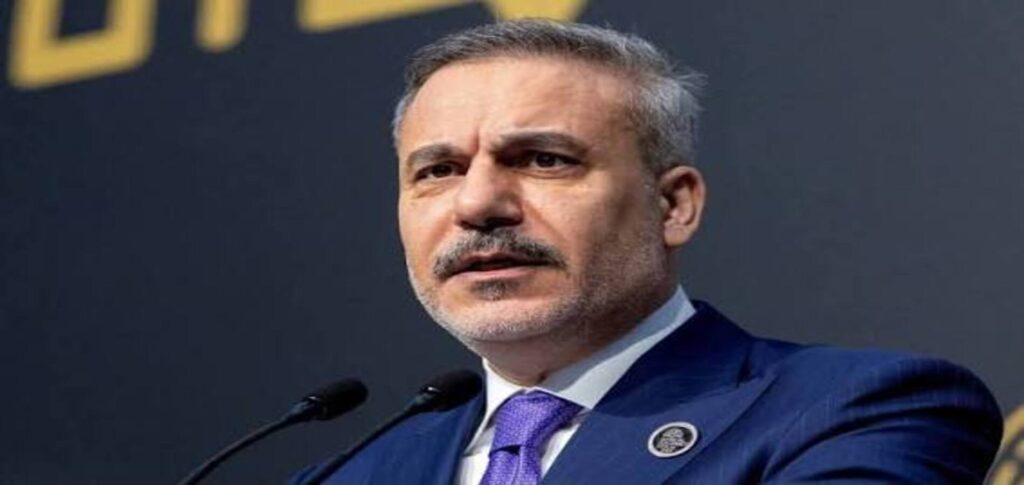
Turkish Foreign Minister Hakan Fidan said Saturday that Ankara had sent proposals to both countries after a sharp increase in attacks on civilian and commercial vessels.
Both Moscow and Kyiv have responded, but their positions remain difficult to reconcile, Fidan said in a television interview.
Turkey Black Sea Proposal Targets Civilian Ships
The Turkey Black Sea proposal focuses on stopping attacks against civilian vessels operating in the region.
A Turkish diplomat previously confirmed that Ankara had shared a draft memorandum with Russia and Ukraine. The initiative followed a rise in drone attacks affecting commercial shipping, including Turkish-linked vessels.
The proposal aims to create safer conditions for ships while reducing the risk of further escalation.
However, reaching an agreement remains difficult because Russia and Ukraine continue to have competing demands.
Grain Exports Remain a Priority
Fidan said Turkey’s immediate priority is restoring the movement of grain through the Black Sea.
Both Russia and Ukraine are major grain exporters. Therefore, disruptions to shipping can affect international food supplies as well as countries that depend on imports.
The Black Sea has become increasingly dangerous for commercial vessels as the Russia-Ukraine war continues. Recent attacks have targeted ships and port infrastructure, raising concerns about higher shipping and insurance costs.
Commercial Shipping Faces Growing Risks
The security situation has deteriorated sharply in recent months.
Drones and other attacks have affected commercial vessels operating around the Black Sea. Turkish-owned and Turkish-flagged ships have also been among those hit.
As a result, insurers have expanded the area they classify as high risk. London’s marine insurance market recently widened its Black Sea high-risk zone amid the increase in attacks.
That change could increase costs for companies transporting grain, oil and other goods through the region.
Russia and Ukraine Still Far Apart
Although both sides have responded to Turkey’s diplomatic initiative, Fidan said their positions remain difficult to bring together.
Ankara is therefore continuing discussions with Moscow and Kyiv in an attempt to find common ground.
Turkey has previously played a role in Black Sea diplomacy, including efforts linked to grain exports.
The latest initiative comes as attacks on shipping threaten to further disrupt an already important trade route.
Turkey Pushes for a Practical Solution
Fidan said Turkey wants to focus on practical steps that can reduce the danger to civilian vessels.
For Ankara, protecting commercial shipping could help restore confidence among shipowners and reduce pressure on global food markets.
At the same time, any arrangement would need to address the security concerns raised by both Russia and Ukraine.
That makes the diplomatic process complicated.
Why the Black Sea Matters
The Black Sea is a major route for agricultural and energy exports.
Russia remains one of the world’s largest grain exporters, while Ukraine also relies heavily on Black Sea routes to move agricultural products to international markets.
Consequently, prolonged disruption could affect food prices and supplies well beyond the region.
Recent attacks have already reduced shipping activity and increased concerns among insurers and commercial operators.
Ankara Continues Its Diplomatic Effort
Turkey now faces the task of turning its proposal into an agreement that both sides can accept.
Fidan said Ankara had received responses from Russia and Ukraine and was working to reconcile their positions.
For now, however, no final agreement has been reached.
The Turkey Black Sea proposal therefore remains a diplomatic work in progress, with the safety of civilian shipping and the continuation of grain exports at the centre of Ankara’s efforts.